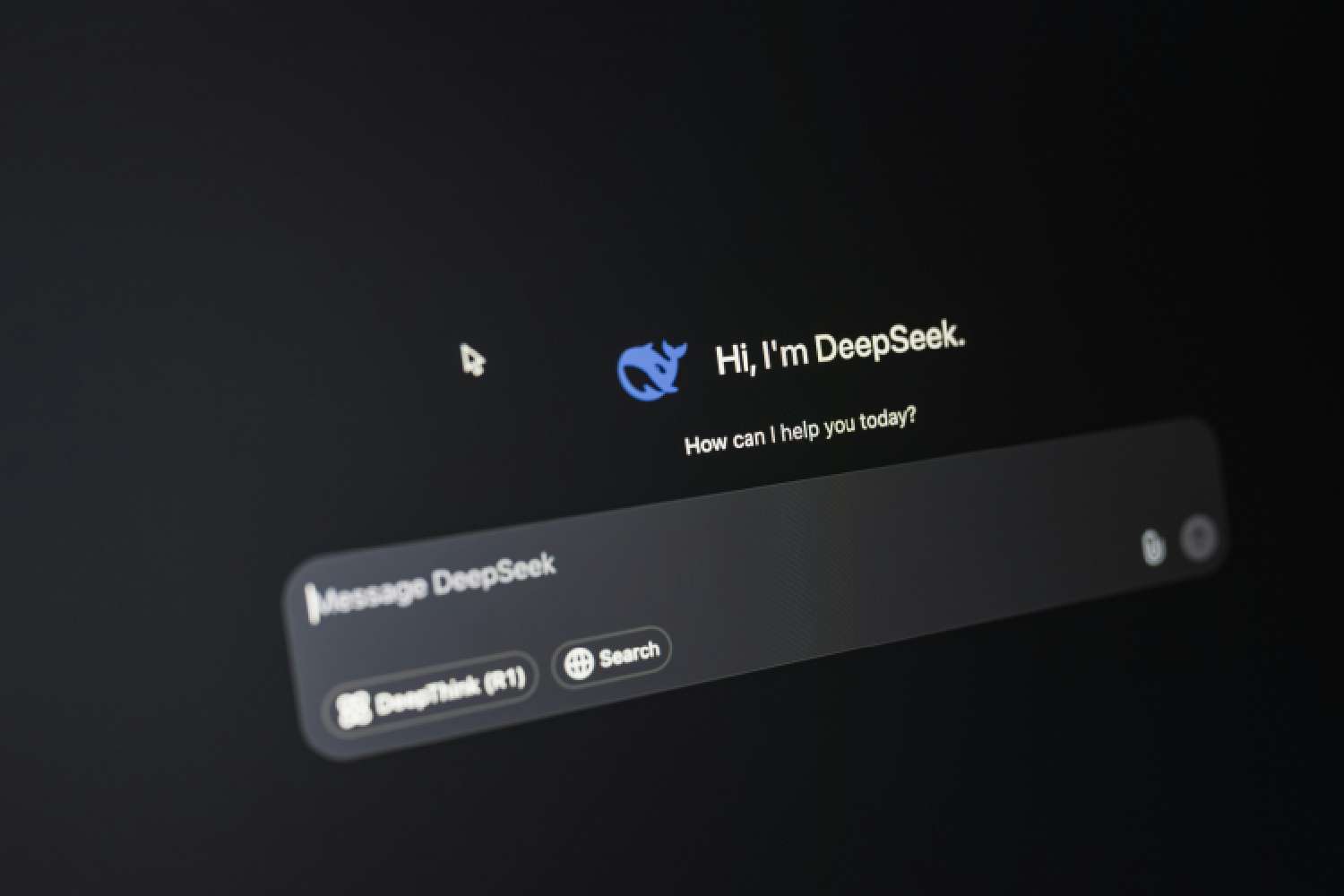

Chinese AI lab DeepSeek began previewing its long-awaited V4 flagship model on Friday, 24 April 2026, a year after its low-cost R1 breakthrough rattled Silicon Valley and wiped almost a trillion US dollars off global tech stocks. The DeepSeek V4 preview launch was first reported by Bloomberg and Reuters, with pro and flash variants set to run on Huawei Ascend 950PR chips rather than Nvidia silicon.
The preview release is positioned by Beijing as proof that China can build competitive frontier AI without US hardware, at a moment when Washington is tightening export controls and accusing Beijing of “industrial-scale” theft of AI technology.
What DeepSeek V4 actually is
DeepSeek V4 is a Mixture-of-Experts model expected to carry roughly one trillion total parameters, of which only 32 to 37 billion are active for any given task, according to specifications reported by SitePoint and Gizchina.
Reports indicate a context window of up to one million tokens and native multimodality across text, images, audio and video.
DeepSeek is expected to release V4 under the permissive Apache 2.0 licence, in line with the open weights approach that made V3 and R1 so influential with developers.
Chinese cloud operators Alibaba, ByteDance and Tencent are reported to have placed advance orders for next-generation domestic AI chips on which they plan to host the model.
Why Huawei chips matter for this launch
DeepSeek’s decision to train and serve V4 on Huawei’s Ascend 950PR chips is the central geopolitical story.
Reuters has reported that DeepSeek gave Chinese chipmakers early optimisation access to V4 while deliberately denying that window to Western silicon suppliers, including Nvidia.
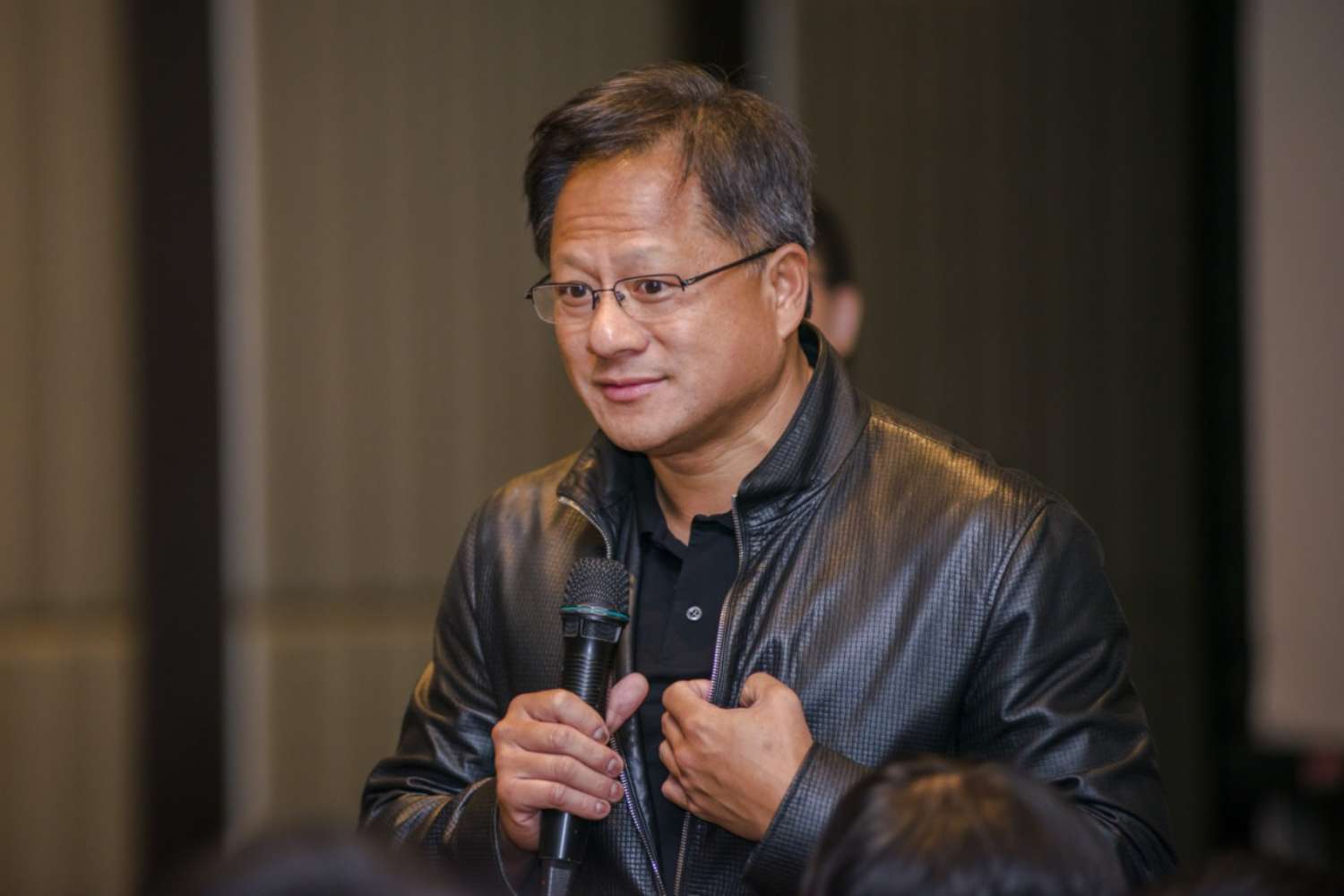
Nvidia chief executive Jensen Huang was quoted by Chinese media earlier this week warning that if DeepSeek’s flagship shipped first on Huawei chips, it would be “a disaster” for the United States.
The Financial Times also reported this week that the White House is accusing China of “industrial-scale” theft of AI technology, the backdrop against which the V4 preview lands.
What the DeepSeek V4 launch means for South Africa
For South African developers and enterprises, a competitive open-weights frontier model running under Apache 2.0 is commercially material.
It widens the pool of affordable, self-hostable large language models available to local fintechs, retailers and government, at a time when dollar-denominated API costs from US vendors remain a constraint for rand budgets.
South African universities and the CSIR already use DeepSeek’s earlier open models for research. A V4 release at the quality claimed by DeepSeek would sharpen competition with OpenAI, Anthropic and Google for enterprise AI spend in the local market.
DeepSeek is expected to drop the full model card, benchmarks and Hugging Face weights in the coming days.
Markets will be watching Nvidia’s share price, the reaction from US regulators, and any pricing moves by Alibaba Cloud and Tencent Cloud, both of which have a growing Johannesburg customer base.