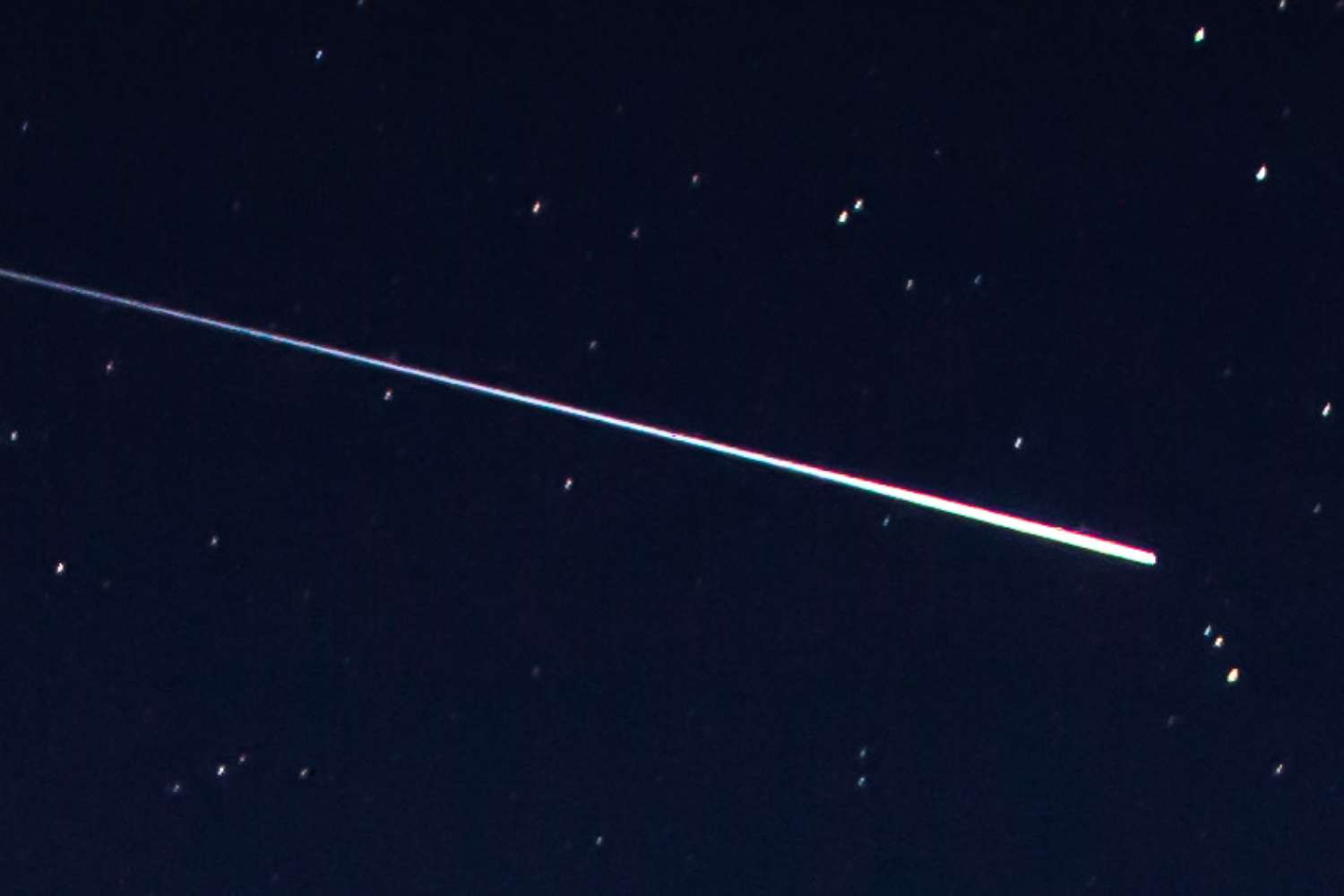


The annual Lyrid meteor shower, the oldest recorded meteor shower in human history, is currently active and reaches its peak in the early hours of Wednesday, 22 April 2026. While South Africa and other Southern Hemisphere locations experience reduced visibility compared to northern skywatchers, those in low-light areas such as the Northern Cape can look northward in the pre-dawn hours of 22 April for a chance to observe the Lyrids firsthand.
The Lyrids have been observed and recorded for more than 2,600 years, with the earliest documented observation dating to 687 BCE in ancient China. This year’s shower is active from 16 to 25 April, with intensity building towards its peak on the night of 21 to 22 April.
When and Where to Look from South Africa
South African skywatchers face a geographical disadvantage when observing the Lyrids. The shower’s radiant point, the apparent origin from which the meteors appear to stream, is located near Vega, the brightest star in the constellation Lyra.
From southern mid-latitudes, including most of South Africa, Vega only rises above the horizon in the hours immediately before dawn, leaving a limited observation window.
The best time to observe the Lyrids from South Africa is between 03:00 and 05:00 SAST on the morning of Wednesday, 22 April. Observers should face north, allow at least 30 minutes for their eyes to adjust to darkness, and find a location as far from city light pollution as possible.
The Northern Cape’s Karoo, which hosts some of the darkest skies in the world, offers the optimal viewing conditions in the country.
Under ideal conditions in the Northern Hemisphere, the Lyrids can produce up to 20 meteors per hour. From South Africa, observers can expect a reduced rate, but occasional bright fireballs associated with the Lyrids have been recorded globally and are not limited to the Northern Hemisphere.
What Makes the Lyrids Special
The Lyrids are generated by debris shed by Comet Thatcher, a long-period comet that orbits the sun once every 415 years.
As Earth passes through the debris trail each April, fragments of cometary material enter the atmosphere at speeds of approximately 49 kilometres per second, producing the characteristic streaks of light.
“The Lyrids are known for producing occasional outbursts of activity that can far exceed normal rates,” Bill Cooke, who leads the Meteoroid Environment Office at NASA’s Marshall Space Flight Centre, has noted in assessments of the shower’s behaviour.
Scientists at EarthSky, a leading astronomy communications platform, note that the Lyrids “typically produce 10 to 15 meteors per hour under dark skies at their peak, but have historically surged to as many as 100 meteors per hour during exceptional years.”
The moon will be in its waxing crescent phase during the peak, meaning light pollution from the moon should be minimal, improving observation conditions globally including in South Africa.
How to Make the Most of the Viewing Experience
Observers require no special equipment to watch the Lyrids. A reclining chair or blanket on open ground, positioned in a dark area away from artificial lighting, is sufficient.
The naked eye is more effective than binoculars or a telescope, as the meteors can appear across a wide arc of sky rather than in a single point.
South Africans in Gauteng, the Western Cape and KwaZulu-Natal will see fewer meteors due to higher levels of light pollution and the radiant’s lower position on the horizon.
Driving to a dark-sky site before midnight on 21 April and staying through dawn will maximise the number of meteors visible.
The Lyrid meteor shower will continue at reduced intensity until 25 April.