

Venezuela’s earthquake death toll has climbed past 1 400 as rescue teams race a closing survival window, three days after twin quakes struck the country on Wednesday, 24 June 2026.
The figure rose to 1 430 on Saturday, 27 June 2026, with more than 4 500 people injured and over 50 000 reported missing, as reported by Al Jazeera.
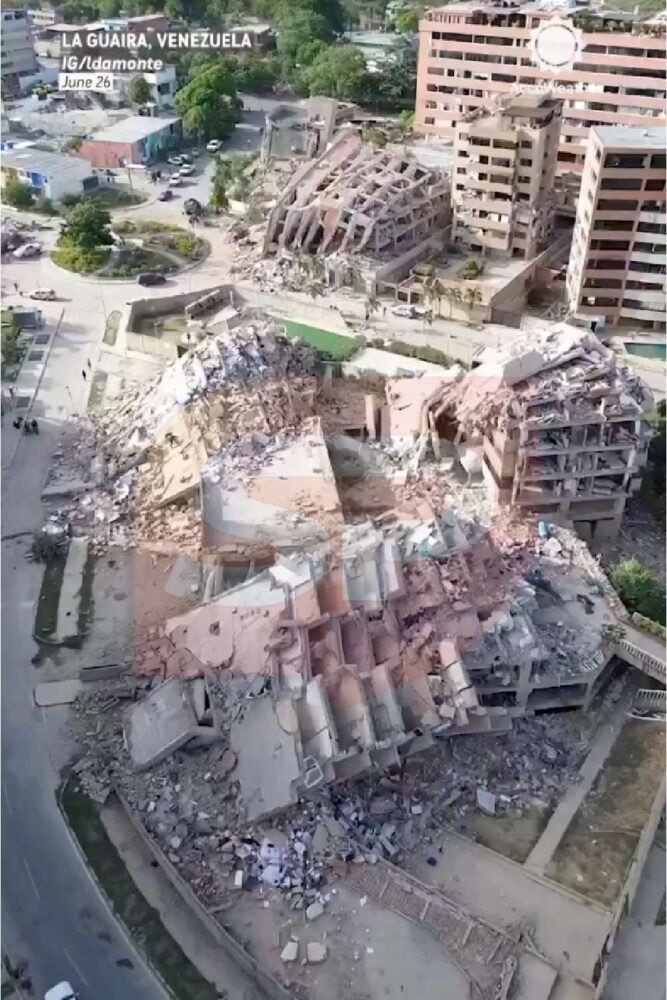
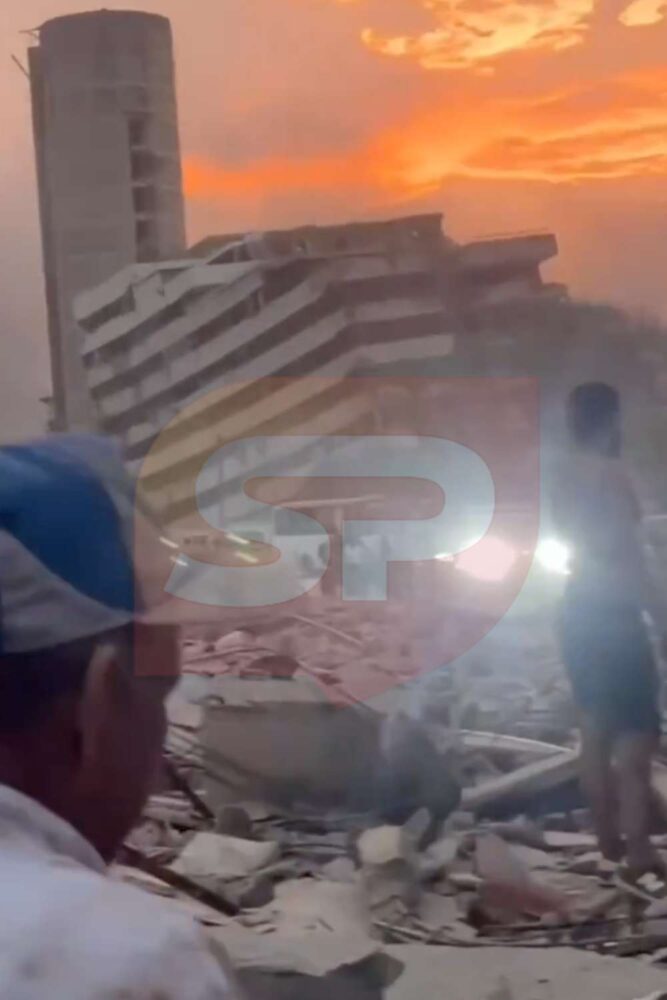
The damage is heaviest in La Guaira and Caracas, where buildings collapsed across densely populated districts.
What caused the Venezuela earthquake
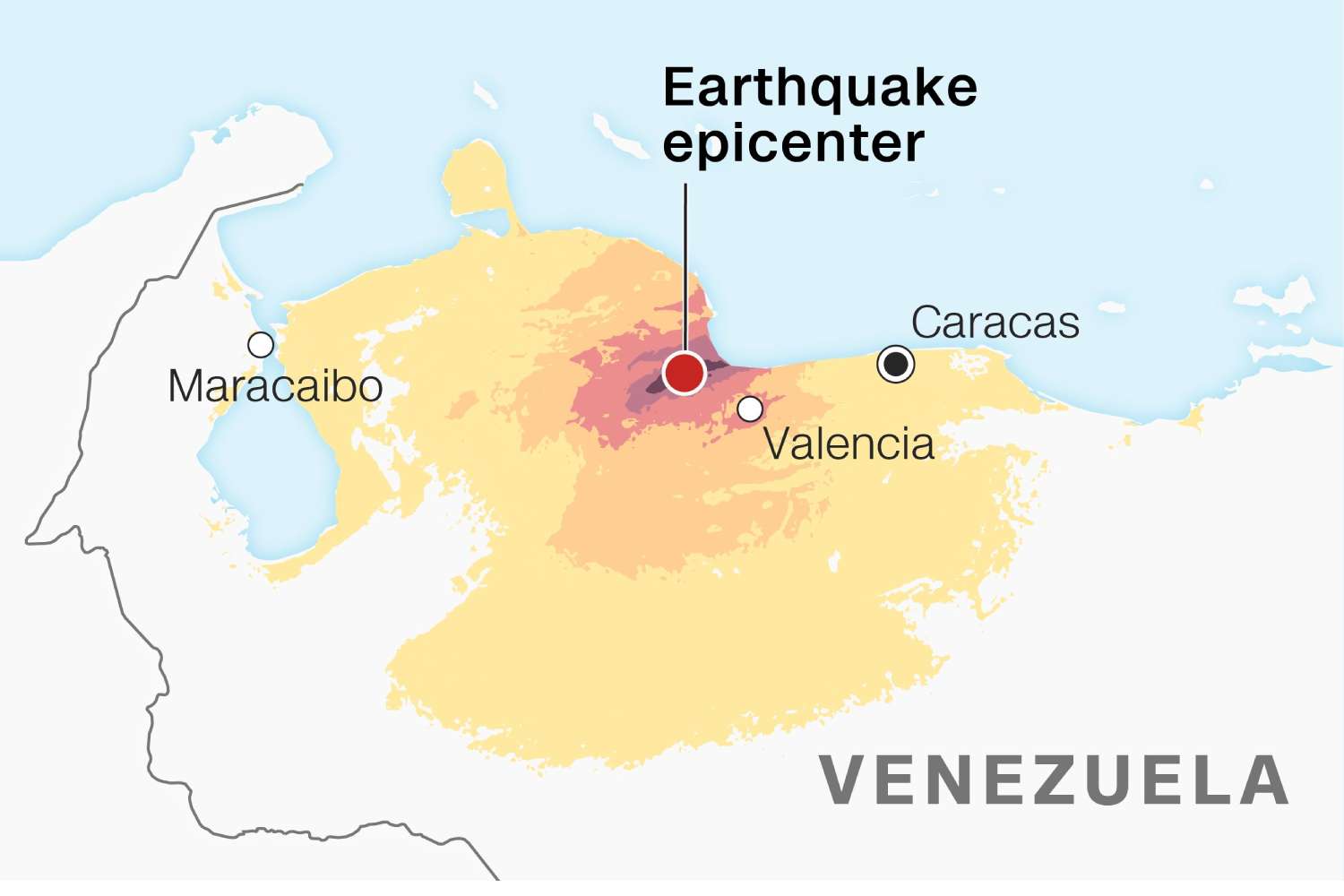
Two strike-slip earthquakes hit northwestern and central Venezuela on Wednesday, 24 June 2026. The first measured magnitude 7.2 and struck at 18:04 VET (00:04 SAST on Thursday, 25 June 2026), classified as a foreshock. A magnitude 7.5 mainshock followed just 39 seconds later, with both epicentres near San Felipe in Yaracuy.
The United States Geological Survey warned early that the toll could rise sharply.
Its rapid assessment system flagged the scale of the threat, stating that “high casualties and extensive damage are probable and the disaster is likely widespread.” Some projections placed the eventual toll far higher than current counts.
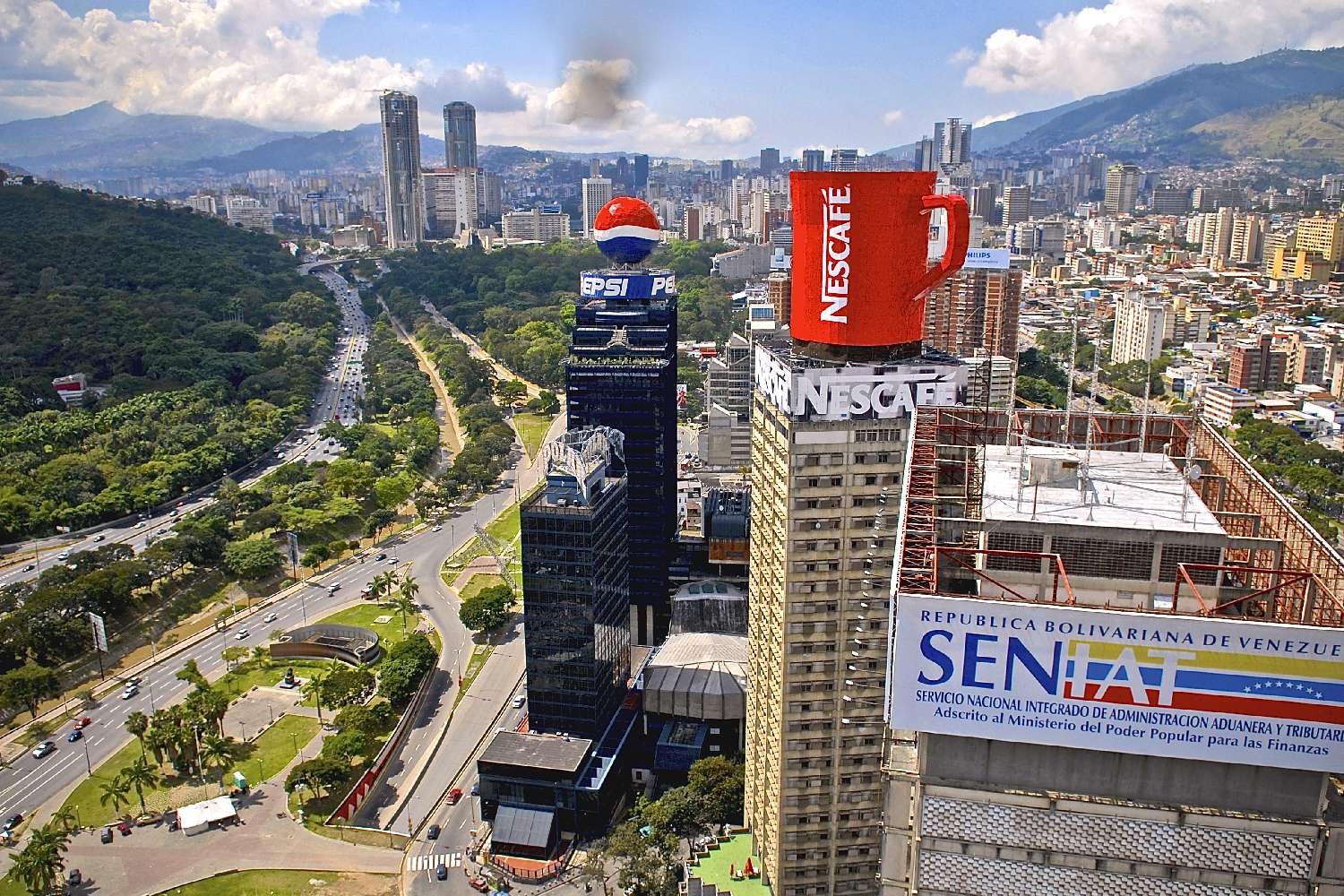
Caracas sits in a seismically active zone where older, densely built housing stock has long worried engineers.
The capital had not faced a quake of this force in decades, and the speed of the two ruptures left residents almost no time to reach open ground before the larger shock hit.
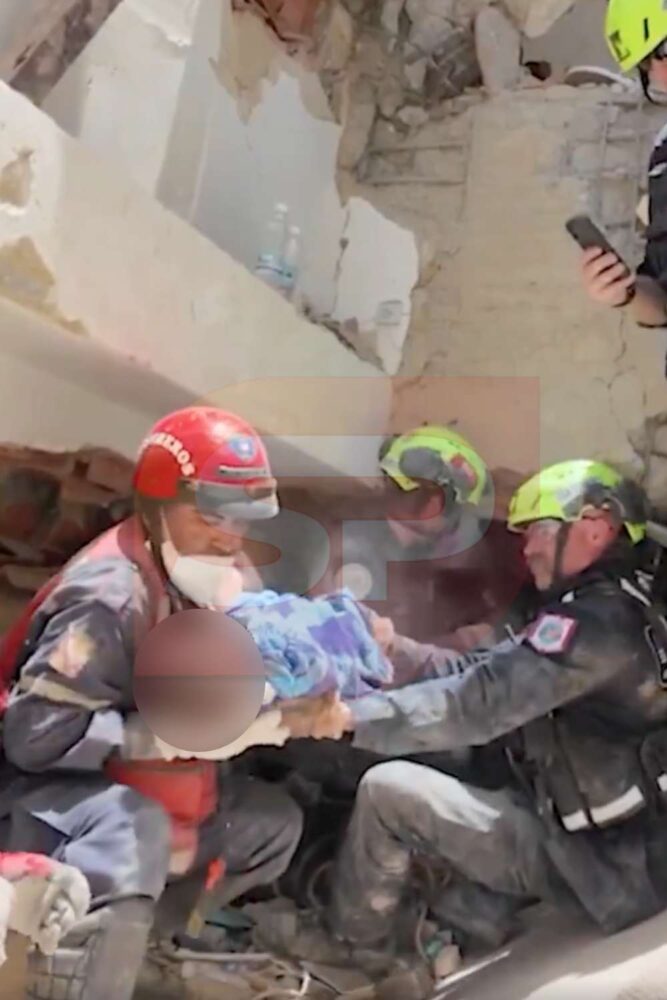
Inside the Venezuela earthquake rescue effort
Acting President Delcy Rodríguez declared a state of emergency and said the government was mounting a full response during what she called critical hours for rescuing people alive.
Authorities confirmed on Saturday that 1 600 members of foreign rescue teams had reached the country to join the search.
Hospitals across the affected states were overwhelmed in the first 48 hours, treating thousands of injured people as power and water supplies failed in parts of the capital.
The figure of more than 50 000 reported missing reflects both the chaos of the early search and the difficulty of tracing people in collapsed neighbourhoods.
Rescue crews worked against the 72-hour survival window that experts say marks the period when trapped people are most likely to be found alive.
That window was closing fast by the weekend, and aid agencies cautioned that the chance of pulling more survivors from the rubble was shrinking with each passing hour.
Attention now turns to the recovery phase and the official accounting of the missing, with the toll expected to climb as crews reach districts that remain cut off.
Venezuela’s government has signalled that the relief operation will widen as more international teams and humanitarian supplies arrive in the coming days.