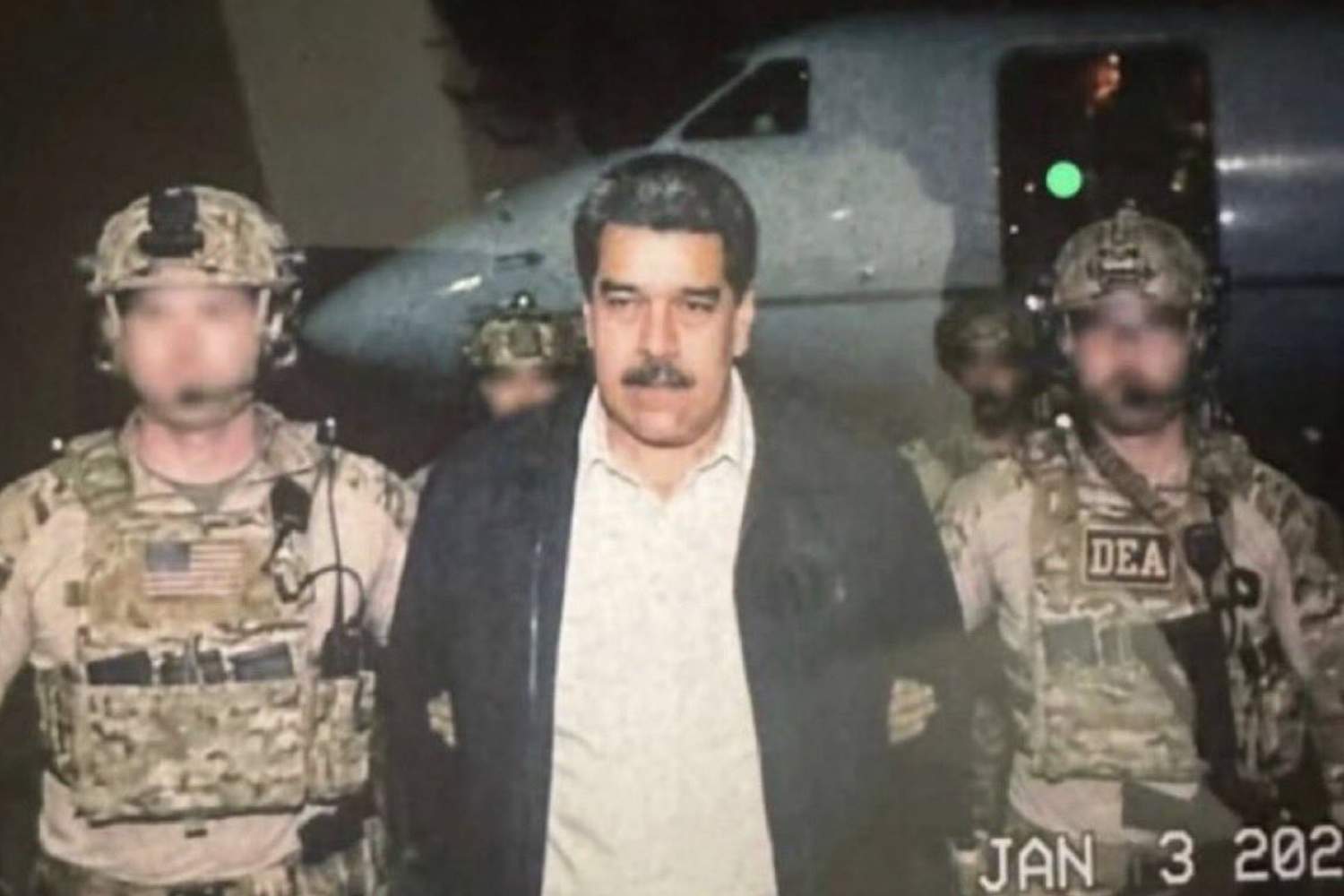


The UN Security Council (UNSC) is due to convene today for its 10085th meeting under the agenda item “Threats to international peace and security”, as Venezuela news today remains dominated by the United States’ weekend airstrikes and the arrest of Venezuelan President Nicolás Maduro in an operation that has triggered an immediate diplomatic backlash.
The briefing is scheduled for 10:00 EST (15:00 UTC), according to the UN Security Council programme.
US officials say Maduro is now in custody in New York on drug-related charges, following a surprise operation that Venezuelan authorities say caused damage and deaths.
The legality of the operation, and the precedent it may set, is expected to be a central fault line in today’s Security Council debate.
UN Security Council briefing: why today’s meeting matters
The Council session arrives amid competing claims about whether the US action can be justified under international law.
Reuters reported that legal experts widely view the capture as unlawful because it lacked UN authorisation, Venezuelan consent and a self-defence rationale under Article 51 of the UN Charter, while the UN secretary-general warned it could set a “dangerous precedent.”
Even if many members criticise the operation, the Security Council’s structure makes binding action difficult when a permanent member is directly involved, because any substantive resolution can be blocked by veto.
South Africa’s response: “manifest violation” of the UN Charter
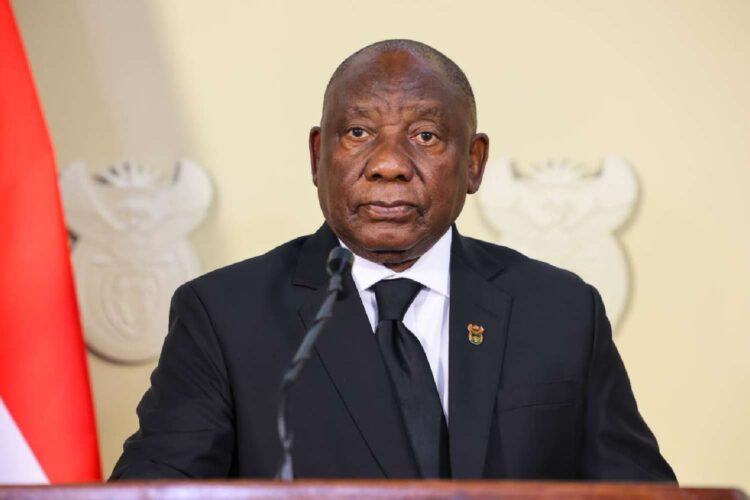
South Africa has positioned itself among the most outspoken critics of the operation, calling for the Security Council to convene urgently and describing the US intervention as a breach of core UN Charter principles.
In a statement, South Africa said the strikes and the capture of Maduro and his wife, Cilia Flores, amounted to a “manifest violation” of the UN Charter’s prohibition on the use of force against the territorial integrity or political independence of another state, and warned that “unlawful, unilateral force” undermines the stability of the international order.
China, a long-time political and economic backer of Venezuela, has also condemned the operation.
Reuters reported that China’s foreign minister said Beijing could not accept any country acting as the “world’s judge”, framing the episode as a sovereignty issue with broader implications beyond Latin America.
The criticism is consistent with China’s long-standing opposition to unilateral interventions, particularly in regions where it has strategic partnerships and investments.
What the US is signalling, and why it is rattling capitals
US President Donald Trump has publicly framed the operation as a decisive assertion of US power and said the US would “run” Venezuela during what he described as a transition, raising questions about how Washington would exercise authority without controlling the country’s institutions.
Moreover, while the operation targeted Maduro, it remained unclear how the US would oversee governance in practice, with Maduro’s government structures reportedly still functioning inside Venezuela.
Greenland enters the picture: territorial threats and alliance friction
The Venezuela crisis is unfolding alongside fresh controversy over Trump’s rhetoric about Greenland, a self-governing territory within the Kingdom of Denmark and a strategic Arctic location.
In reporting published by the BBC, Denmark’s Prime Minister Mette Frederiksen said the US had “no right” to annex Greenland and urged Washington to “stop the threats”, stressing Denmark and Greenland fall under NATO’s collective security guarantee and that Denmark already has a defence agreement giving the US access to Greenland.
The same report linked the Greenland dispute to the Venezuela operation, noting Trump has cited Greenland’s strategic position and mineral wealth, and repeated his goal after Frederiksen’s comments.
What this could mean for geopolitics in 2026
Taken together, the Venezuela operation and the Greenland pressure campaign intensify a trend already visible across recent years: sovereignty disputes and great-power competition becoming more openly coercive, with multilateral institutions increasingly used as arenas for political confrontation rather than consensus-building.
Political analysts view the Venezuela strike as a move that could embolden other powers’ territorial ambitions in principle, even if it does not automatically translate into immediate military action elsewhere.
In practical terms, diplomats are likely to watch three near-term implications:
- A sharper divide at the UN between states emphasising non-intervention and those offering more qualified responses, increasing the risk of Security Council paralysis on major crises.
- A higher premium on alliance assurances and deterrence messaging, particularly in strategically sensitive regions such as the Arctic, where Denmark argues Greenland is already covered by NATO guarantees.
- More explicit linkage between security decisions and resource strategy, as Trump has highlighted strategic value and minerals in Greenland and discussed economic outcomes tied to Venezuela’s oil sector.
Today’s Security Council briefing is expected to act as the first major test of how the international system responds in 2026 when a powerful state uses force to remove a sitting leader from sovereign territory, and then faces immediate diplomatic blowback from countries positioning themselves as defenders of the UN Charter’s core rules.