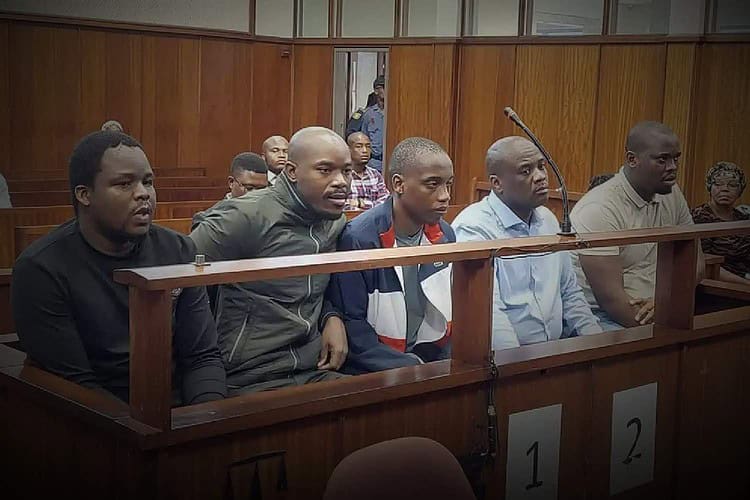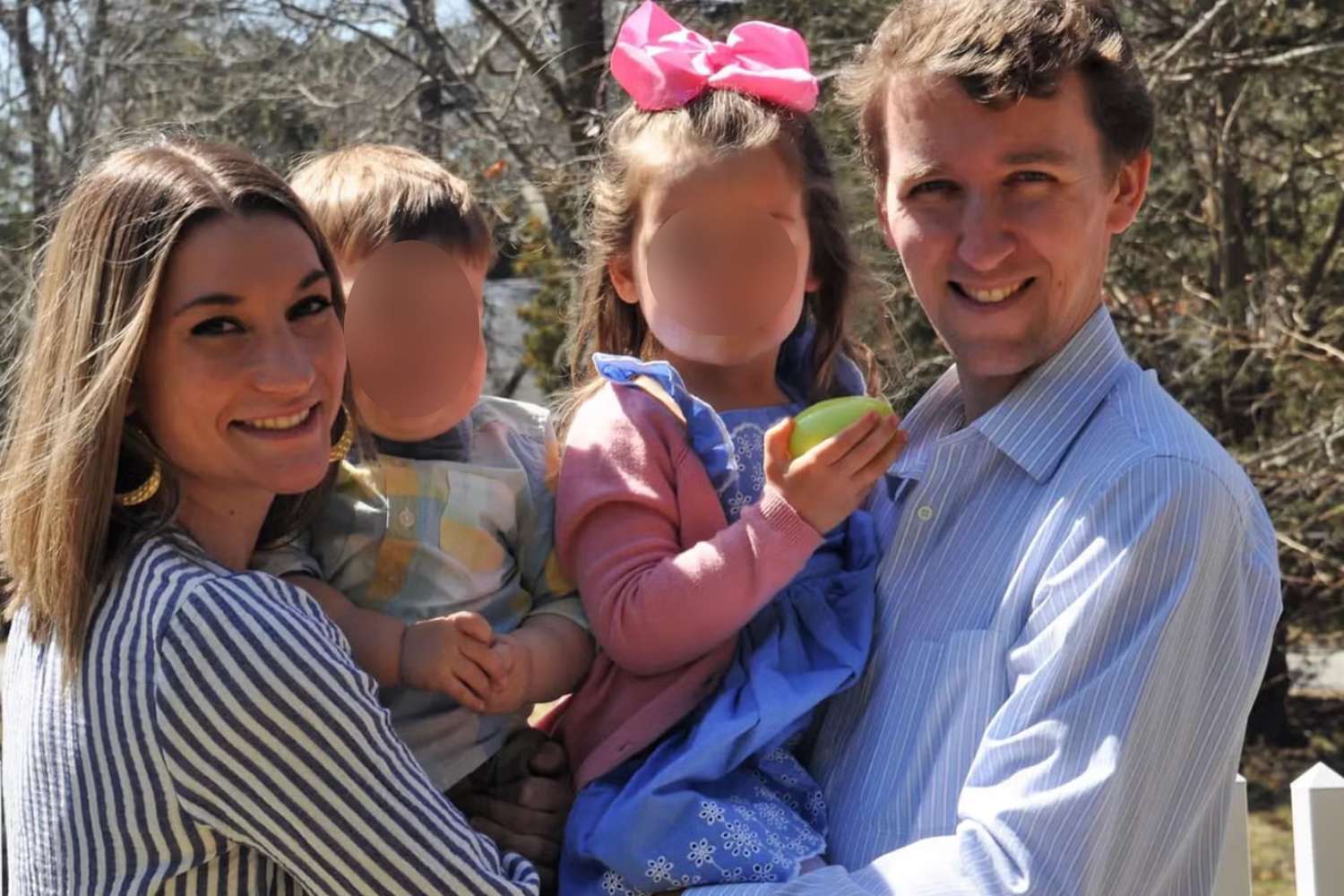


The Lindsay Clancy trial in Massachusetts heard on Wednesday, 19 August 2026, that a defence psychologist found the accused unable to appreciate the wrongfulness of her actions when her three children died.
Clancy has been on trial in the United States over the deaths of her three children, and has not been convicted. Dr Paul Zeizel testified for the defence, which has argued a lack of criminal responsibility due to mental illness, as reported by ABC News.
What the Lindsay Clancy trial heard from the defence
Zeizel told the court that Clancy had “a mental disease or a defect”, and that the condition, in his assessment, left her unable to measure her conduct against the law at the time.
He set out his reading of her state of mind in direct terms.
“She was unable to conform her behavior to the rule of law. She had no appreciation for the wrongfulness of her act.”
The defence has told the court that Clancy was diagnosed with bipolar disorder and that she was experiencing postpartum psychosis when the children died.
Postpartum psychosis is a rare and severe illness that can follow childbirth, and it is distinct from the more common postnatal depression.
How criminal responsibility works in the Lindsay Clancy trial
Under the applicable legal framework, a defendant is not held criminally responsible if a mental disease or defect left them unable to appreciate the wrongfulness of their conduct, or unable to conform that conduct to the requirements of the law. The question goes to the jury.
The case has been heard in a Massachusetts court, and no verdict has been returned.
Clancy remains the defendant in proceedings that will turn on her state of mind rather than on whether the deaths occurred, which is the shape a lack of criminal responsibility defence takes.
The distinction shapes what follows a verdict. If Clancy is found not guilty by reason of lack of criminal responsibility, she would be committed to a state mental health facility rather than released. If she is convicted of murder, she faces life in prison without the possibility of parole.
Expert testimony of this kind is not a verdict in itself. A psychologist called by the defence offers an opinion on the defendant’s state of mind, which the prosecution is entitled to test under cross-examination and to answer with expert evidence of its own.
What happens next in the trial
Further testimony was expected before the case goes to the jury, which will have to decide first whether the state has proved the killings and then whether Clancy was criminally responsible when they occurred.
Those two questions, taken together, determine whether she goes to a hospital or a prison.