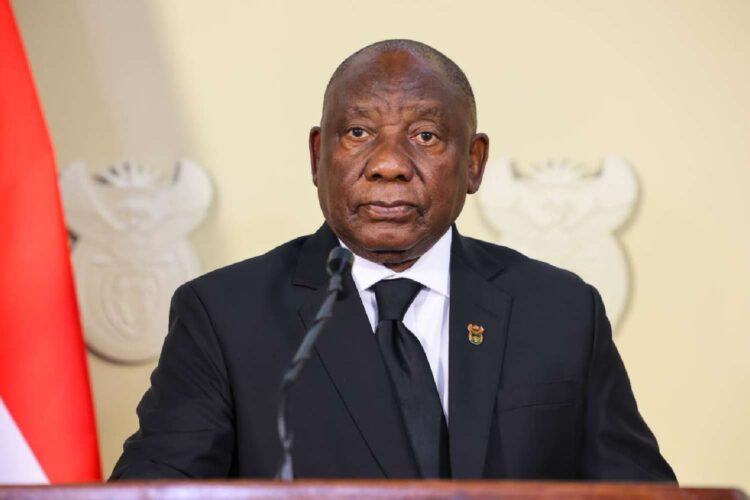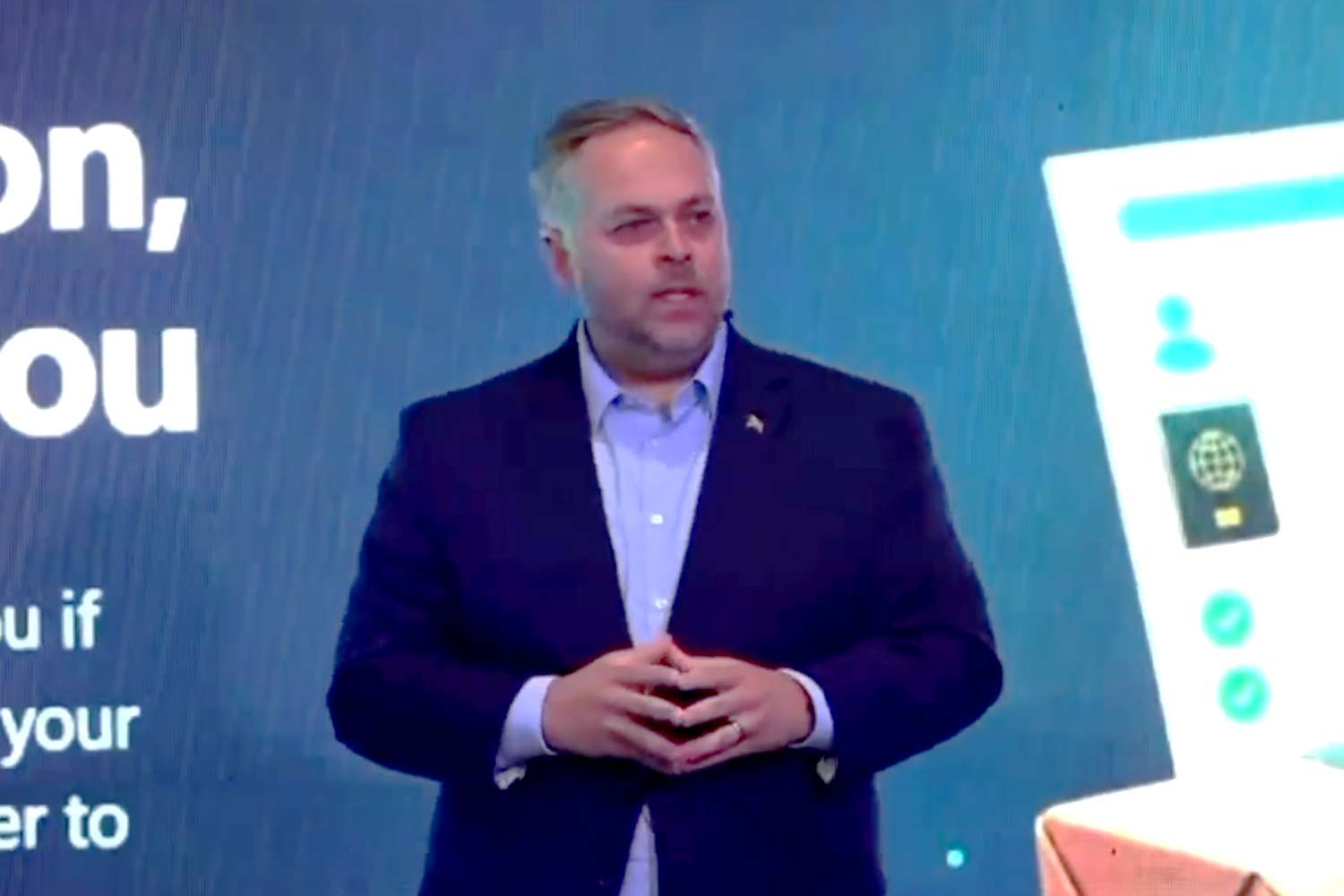


The South Africa digital ID had its first live demonstration on Thursday, 1 October 2026, when Home Affairs Minister Leon Schreiber showed a working credential on his own smartphone at an event in Johannesburg.
According to TechCentral, Schreiber opened the MyMzansi digital ID app on stage and confirmed his identity with his thumbprint during a speech marking the halfway point of the government of national unity’s term.
He said the credential had been formally issued through the population register, the national database of citizens’ identity records.
How the South Africa digital ID demonstration worked
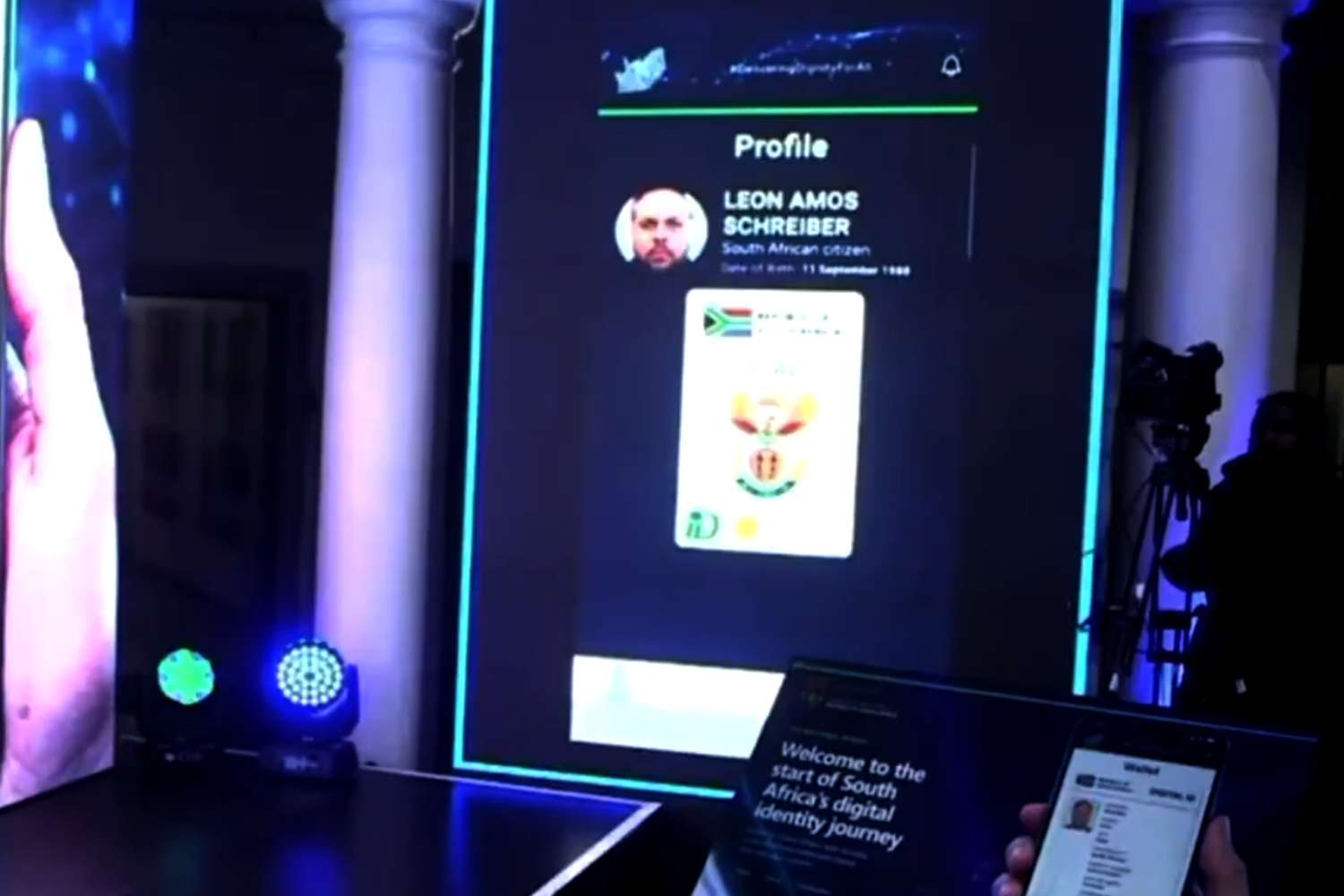
Home Affairs Director-General Tommy Makhode played an official checking Schreiber’s citizenship. Using a verifier app, he requested the details linked to Schreiber’s ID.
Schreiber generated a QR code on his phone for Makhode to scan, then switched off his ID number before approving, so only the other fields appeared on Makhode’s phone.
When Makhode tried again, Schreiber declined and the verifier was denied access. Schreiber said the photograph on screen was his own image from the population register, not a model photo. A mock-up of the app’s wallet was shown instead.
What the South Africa digital ID will and will not do
Schreiber rejected the idea that the credential was an electronic copy of the physical ID card. He described it as “a remote verification tool” linked to the user’s biometrics, such as a thumbprint, and said:
“Digital ID cannot and will not be a photograph of your ID card on your phone.”
Leon Schreiber, Home Affairs Minister
Use of the digital ID will be voluntary, Schreiber said, and the physical smart ID card will remain available to anyone who prefers it.
Holders will be able to see every time their data is accessed, and the final regulations will impose “hard limits” on how that data may be used. On surveillance, he said:
“Surveillance is the state watching the citizen. What we are building is the opposite: the citizen watching the state and other users of their data.”
Leon Schreiber, Home Affairs Minister
When can you get the South Africa digital ID?
Schreiber did not say when the public will be able to get one. Home Affairs’ 2026/27 annual performance plan, as presented to a parliamentary select committee on 6 May 2026, targets completion of the hosting infrastructure for digital identity by 31 March 2027 and credentials issued through a digital wallet in 2027/2028.
The same presentation said Cabinet had approved the Digital Identity Policy and that the National Identification and Registration Bill was due to go to Cabinet by 31 March 2027, for approval to publish it for public comment.
The same report said identity specialists criticised the draft regulations published in May for relying on two-dimensional selfies for liveness checks, which test whether a live person, not a photograph, is in front of the camera.
Production of the green ID book will end on 31 March 2027, Schreiber said, after which the 14.7 million citizens and permanent residents who hold only that book will have 12 months to switch to a smart ID card.
Sources
- Home Affairs: Presentation to the Select Committee on Security and Justice, Annual Performance Plan 2026/27 (6 May 2026), meeting listed by the Parliamentary Monitoring Group
- TechCentral: South Africa's digital ID is here, but you can't have it yet
- TechCentral: Home affairs pulls the plug on the green ID book
- IOL: A new digital ID is coming to South Africa, here's how it works
- Swisher Post: You can now apply for a smart ID and passport at Capitec branches
How we reported this
e checked the digital ID targets against the department's 6 May 2026 presentation to the Select Committee on Security and Justice, which also supplied the policy and Bill timeline. The speech and demonstration details come from published reports, as we did not see the event.