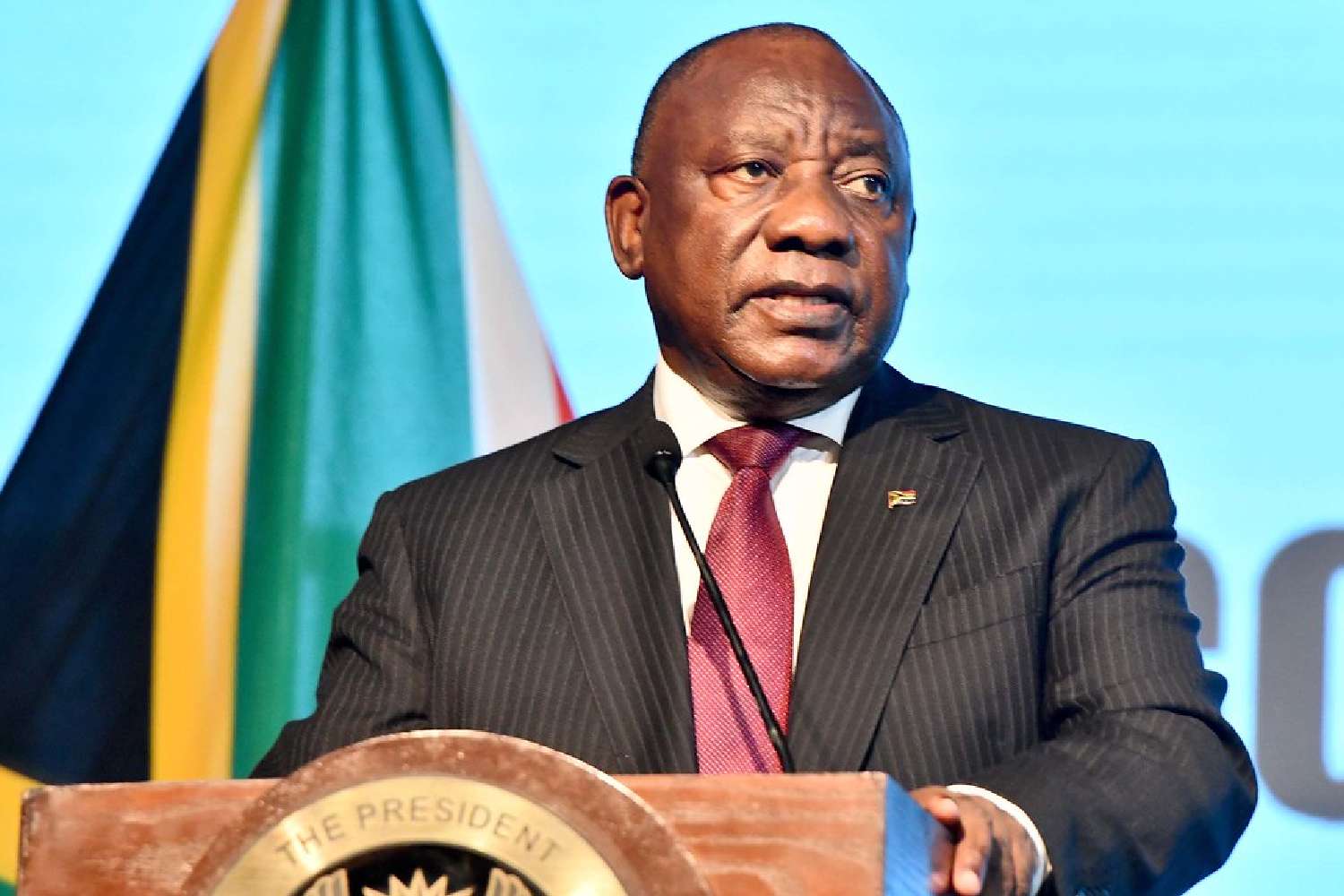


President Cyril Ramaphosa has objected to the impeachment evidence leader chosen by Parliament’s Section 89 committee, telling the inquiry in a letter received on Tuesday, 18 August 2026, that Advocate Thandazani Madonsela SC should not serve.
Committee chairperson Makashule Gana confirmed the letter from the president’s office, as reported by Daily Maverick.
The objection landed roughly two weeks after the committee voted nine to seven in favour of Madonsela over Advocate Kate Hofmeyr SC.
Why Ramaphosa objected to the impeachment evidence leader
The Section 89 committee was constituted to test whether Ramaphosa should face removal over the Phala Phala matter, which concerns a theft of foreign currency from his Limpopo farm in 2020 and the questions that followed about how the money was held and reported.
The letter raised two concerns. Ramaphosa pointed to his 2022 decision to remove Madonsela as his appointee to the Judicial Service Commission (JSC), taken shortly after interviews for the chief justice appointment, and to the advocate’s previous legal work for the African National Congress (ANC).
Madonsela responded that he had disclosed all potentially relevant facts in writing to Parliament’s senior parliamentary legal adviser on Monday, 27 July 2026, and that the disclosure was already before the committee when members cast their votes on the appointment.
What the impeachment evidence leader actually does
Madonsela argued that the position carries no decision-making power of its own. He said the committee members alone rule on the questions before them, and that only the National Assembly, by a two-thirds majority, can decide whether a president is removed.
“The chief evidence leader has no vote, makes no finding and recommends nothing.”
The committee’s majority backed Madonsela at the close of a selection process that also considered Hofmeyr.
Chief evidence leaders are appointed to structure the inquiry’s record, question witnesses and put documents before members, and the appointment is made by the committee rather than by the presidency.
Section 89 of the Constitution allows the National Assembly to remove a president on three grounds: a serious violation of the Constitution or the law, serious misconduct, or an inability to perform the functions of office.
A committee first establishes the facts before any vote.
What happens next in the impeachment inquiry
The inquiry sits within a parliamentary process rather than a criminal one. Ramaphosa has not been charged with or convicted of any offence in a court of law over the Phala Phala matter, and the committee’s work concerns whether the constitutional grounds for removal are made out.
The committee has referred Ramaphosa’s objection to Parliament’s legal services and is weighing how to respond.
Gana said the intention was to confirm an evidence leader as soon as possible, leaving the identity of the person who will marshal the evidence as the inquiry’s immediate open question.