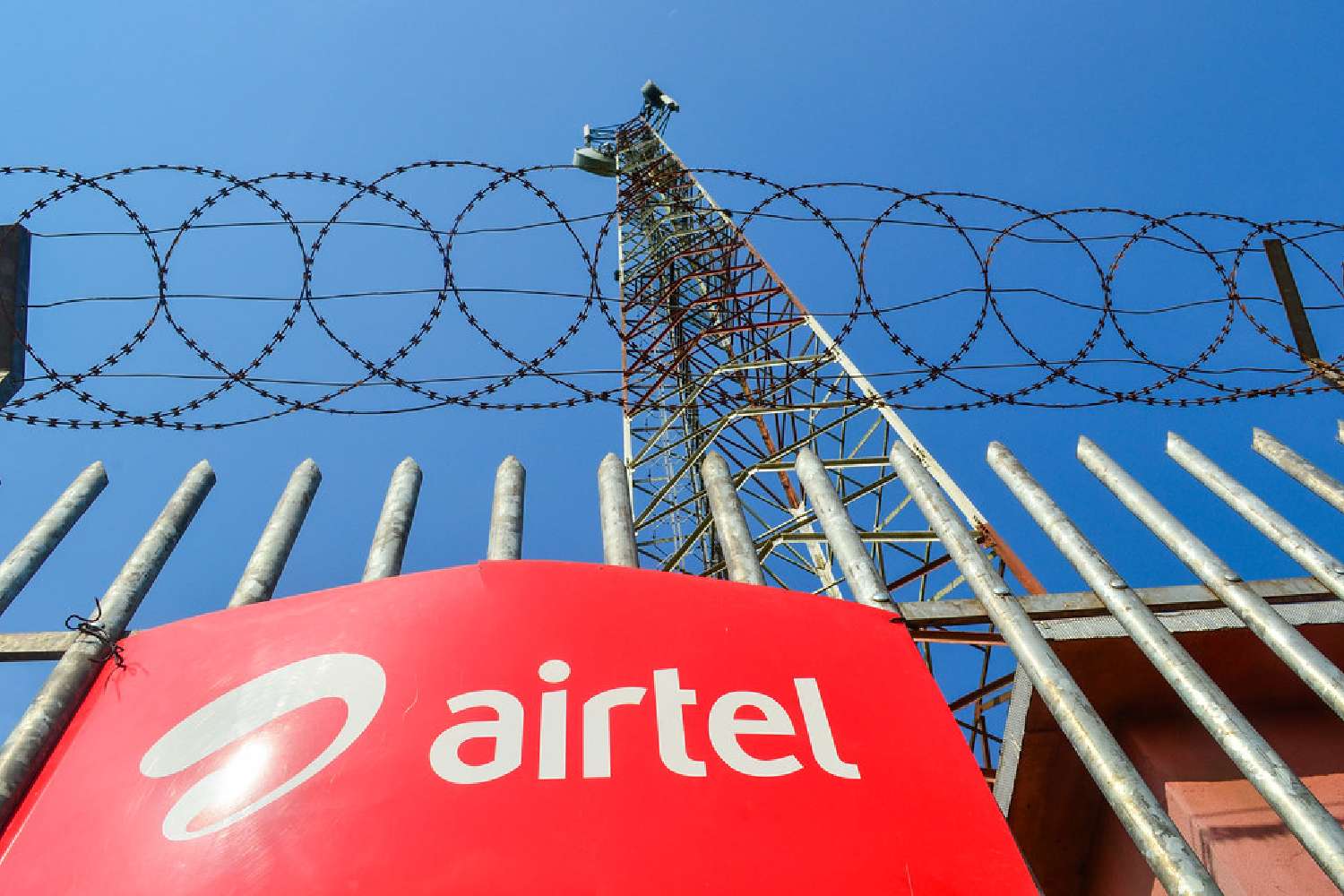


Airtel Africa and Starlink have officially launched the continent’s first commercial Starlink satellite-to-mobile service, bringing unprecedented connectivity to the Democratic Republic of the Congo.
The era of relying solely on traditional cell towers is changing. In a massive leap forward for African telecommunications, the two tech giants have activated a direct-to-cell network in the DRC.
This deployment means users will soon be able to connect their standard smartphones directly to satellites orbiting in space, completely bypassing the need for terrestrial infrastructure in remote or underserved regions.
How the Starlink satellite-to-mobile service works
For years, satellite internet required a bulky, expensive dish to catch the signal from space. The new Starlink satellite-to-mobile service changes the hardware equation entirely.
Elon Musk’s aerospace company has engineered specific low Earth orbit satellites equipped with advanced eNodeB modems. These modems act exactly like cell towers in space, beaming a signal that unmodified smartphones can recognize and connect to seamlessly.
The DRC is geographically massive and heavily forested, making it notoriously difficult and expensive to lay fibre optic cables or build physical cell towers. By adopting this space-based network, Airtel Africa can instantly blanket rural areas with basic connectivity. Initially, this direct-to-cell technology is limited to text messaging, providing a vital lifeline for communication and emergency services in areas that have historically been total dead zones.
The future of African connectivity
This rollout in the DRC is likely just the beginning of a massive shift in how the continent accesses the digital world. The Starlink satellite-to-mobile service operates on standard LTE protocols, meaning users do not need to purchase new, specialised satellite phones.
As long as they have a clear view of the sky, their regular devices will eventually be able to send texts, make voice calls, and browse the internet as SpaceX launches more advanced satellites into orbit.
This development follows a major trend of tech companies scrambling to conquer the final frontier of mobile connectivity. Swisher Post has tracked multiple hardware manufacturers racing to include satellite SOS features in their flagship devices, but this partnership brings the capability directly to a carrier network level.
It is a brilliant technical workaround for Africa’s most challenging geographic landscapes, promising true digital inclusion for the millions of people living far from city centres.
The service is currently being rolled out across the DRC, and telecommunications experts will be watching closely to evaluate its reliability.
If successful, Airtel Africa and Starlink are expected to expand this space-based connectivity model to other markets across the continent in the near future.