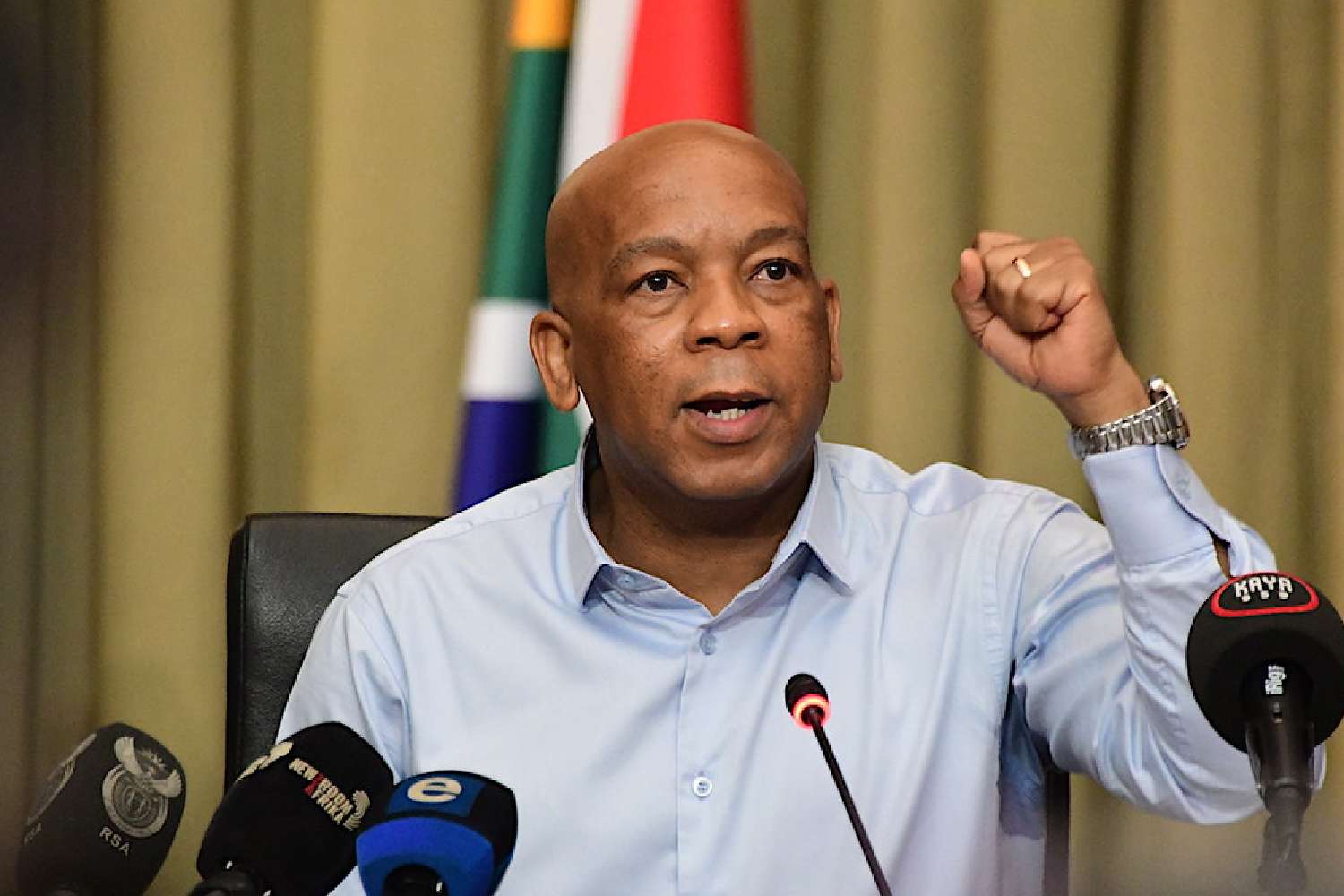


The Minister of Electricity and Energy, Dr Kgosientsho Ramokgopa, is scheduled to outline a new South Africa revised electricity pricing policy designed to ease the financial burden on citizens and industries.
As the nation transitions away from the crippling era of daily load shedding, the government is shifting its focus toward the structural costs of power generation and distribution.
The affordability of electricity has rapidly emerged as the most pressing energy challenge facing low-income households and distressed industries across the country.
The upcoming media briefing, set for Tuesday, 18 August 2026, aims to provide a comprehensive roadmap for tariff restructuring.
Navigating the South Africa revised electricity pricing policy
The Ministry of Electricity and Energy has indicated that the updated policy will modernise the national pricing framework.
This overhaul is intended to align current tariff structures with recent structural reforms within the energy sector.
As reported by the South African Government:
“The revised policy aims to modernise the national pricing framework, align it with recent sector reforms, and transition toward cost-reflective tariffs whilst continuing the protection of low-income households and supporting distressed industries.”
For years, consumers have absorbed steep annual electricity price hikes driven by Eskom’s massive debt burden and operational inefficiencies. A transition toward cost-reflective tariffs suggests that future prices will more accurately mirror the true cost of generating and supplying electricity.
However, the explicit commitment to protecting vulnerable populations indicates that cross-subsidisation mechanisms will likely remain a central feature of the billing model.
What the changes mean for consumers
Municipal surcharges also play a significant role in the final price consumers pay. Local municipalities routinely add a markup to the bulk electricity they purchase from Eskom before distributing it to residents, creating vast disparities in the cost of power depending on where a consumer lives.
The new framework is expected to provide greater regulatory clarity on these municipal tariffs to ensure fair pricing practices across all provinces.
The push for a South Africa revised electricity pricing policy comes at a critical juncture for the domestic economy.
While a stable power supply has been restored, the escalating cost of electricity continues to drive inflation and constrain business growth. Addressing this affordability crisis is a necessary step to stimulate industrial activity and provide relief to citizens struggling with the broader cost of living.
This structural policy adjustment aligns closely with ongoing efforts to unbundle Eskom and establish a competitive, open electricity market. Swisher Post previously covered the creation of an independent Transmission System Operator (TSO), which is expected to facilitate greater private sector participation in the grid.
The new pricing framework will need to balance the revenue requirements of independent power producers with the economic realities faced by everyday South Africans.
Following the minister’s formal presentation in Pretoria, the government will gazette the policy for public comment on Friday, 21 August 2026.
Citizens and industry stakeholders will then have the opportunity to scrutinise the document and submit their formal inputs before the framework is officially enacted into law.