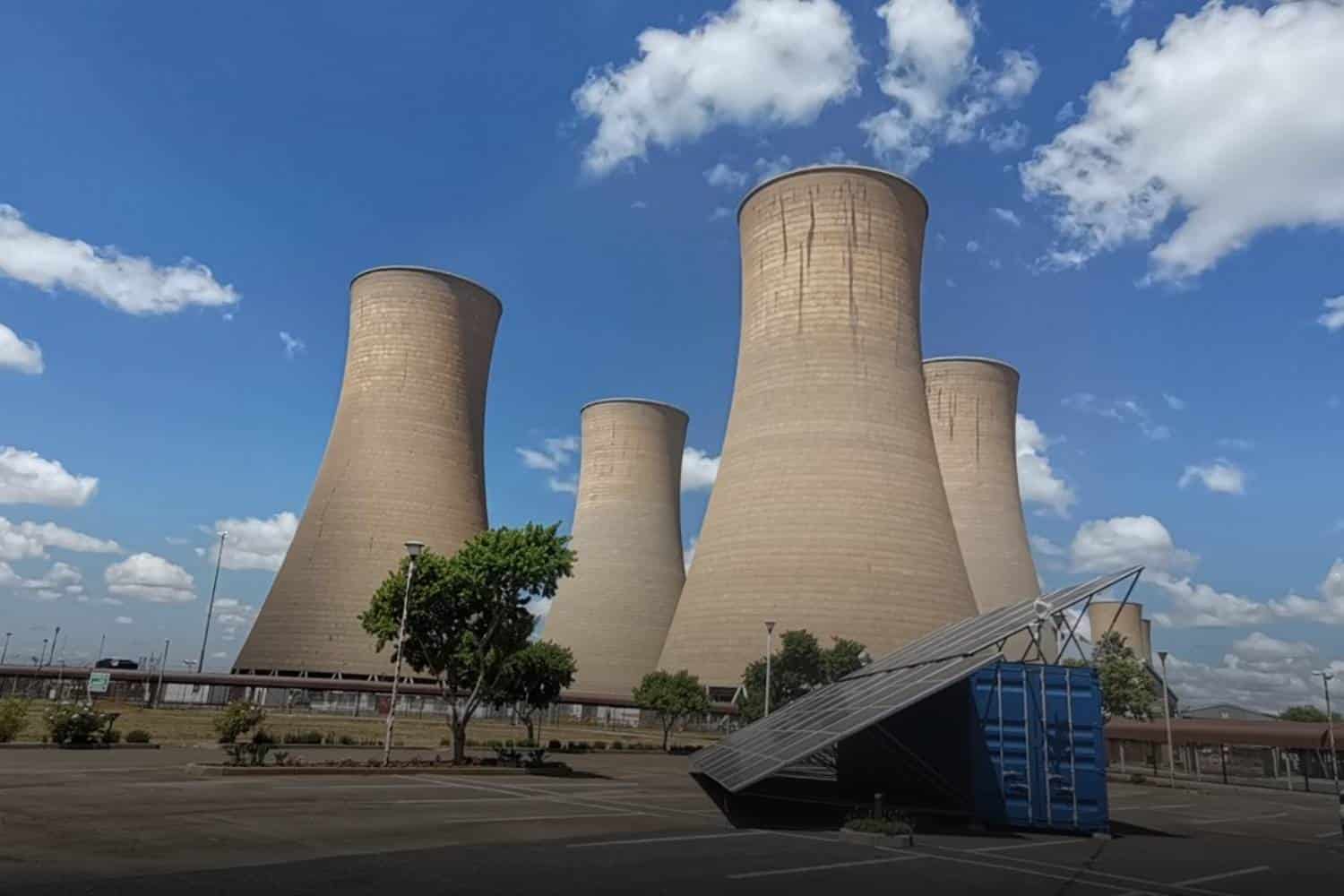


Eskom has reached a three-year wage agreement with its employees granting a 7% annual salary increase for the duration of the deal, according to reporting by eNCA, in a settlement that provides income certainty for the utility’s workforce at a critical stage of its restructuring.
The multi-year agreement removes the risk of protracted wage negotiations and the industrial action threat that has historically accompanied Eskom’s annual collective bargaining cycle.
Eskom, which supplies the majority of South Africa’s electricity, has been engaged in wage negotiations with its recognised trade unions as part of the collective bargaining process. A 7% annual increase across a three-year period represents meaningful certainty for employees, particularly given the elevated inflation environment South Africa has experienced since the Iran-linked oil shock that began in late February 2026.
For Eskom, locking in a multi-year agreement also removes a significant source of operational uncertainty as the utility navigates a complex period of structural change.
Implications for Eskom’s finances and future tariff applications
Eskom is currently managing the operational separation of its generation, transmission and distribution entities as mandated under the Electricity Regulation Amendment Act.
This restructuring, combined with the utility’s substantial legacy debt load, means that any increase to the wage bill is closely scrutinised by the National Energy Regulator of South Africa, which considers labour costs when evaluating tariff applications.
The three-year deal’s cost trajectory will therefore feed directly into NERSA’s deliberations when Eskom’s next multi-year price determination is submitted.
Improved operational performance provides financial buffer
The wage agreement comes as Eskom reports significantly improved operational performance, with load shedding having been eliminated entirely in recent months.
The improved operating environment has strengthened Eskom’s revenue position, which may provide some buffer against the increased wage costs. Whether those costs will ultimately be passed on to consumers through higher electricity tariffs will depend on Treasury guidance, NERSA’s regulatory framework, and the trajectory of Eskom’s broader financial recovery.
What Eskom’s restructuring means for workers and consumers
Eskom’s unbundling into three separate entities, covering generation, transmission and distribution respectively, introduces additional complexity into how wage agreements are structured and costed across the organisation.
As each entity moves toward greater operational and eventual financial independence, collective bargaining arrangements may also evolve.
The current three-year deal provides stability during a transition period that will determine the shape of South Africa’s electricity sector for the next decade.