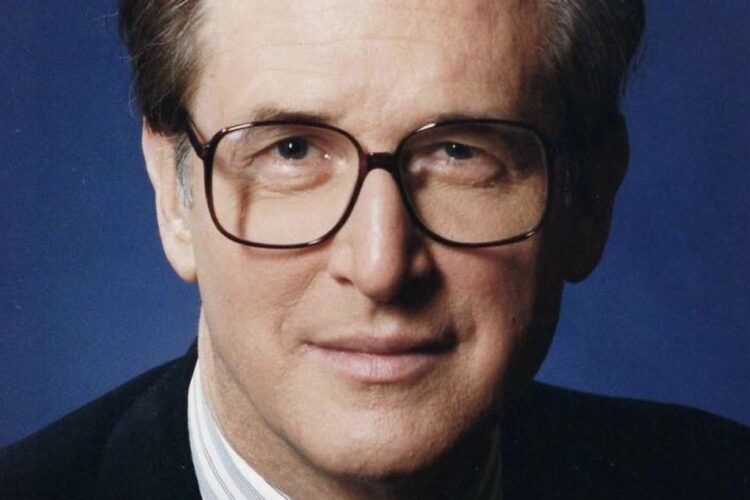
Forensic scientist Michael Freeman says his review of the Epstein autopsy file shows Jeffrey Epstein was likely killed by another person, challenging the official suicide ruling, he told a London audience on Monday, 16 November 2026.
According to CBS News, Freeman, a professor who edits the Journal of Forensic and Legal Medicine, spent months examining autopsy records provided by Epstein’s brother, Mark Epstein. He presented the analysis in London with Anders Eriksson, a professor of forensic medicine at Umeå University in Sweden, and Itiel Dror, a researcher on bias in forensic decision-making.
What does the Epstein autopsy review claim?
Freeman said one ligature mark on the neck fits the sloped pattern expected in a hanging, but that a second mark, lower and angled differently, could not be produced by one. He described the markings at the front of the neck as ragged and segmented, and said they did not match the noose taken from the cell.
He also cited deep bleeding in the left shoulder, an injury on the back, blunt-force trauma to the face and shoulder, and possible fingernail marks above the ligature. Freeman said those injuries do not fit a suicidal hanging, and proposed that Jeffrey Epstein was strangled from behind with an orange fabric ligature found in the cell. Before the presentation, he framed the question:
The death can only be a suicide or a homicide.
Michael Freeman, professor of forensic medicine
How did the Epstein autopsy ruling come about?
Corrections officer Michael Thomas found Epstein’s body at about 06:30 on Saturday, 10 August 2019, in his Manhattan jail cell, where he was awaiting trial on federal sex trafficking charges involving minors. The cell was not sealed. The autopsy followed on Sunday, 11 August 2019, and the New York City Office of Chief Medical Examiner ruled the death a suicide.
Pathologist Michael Baden, hired by Mark Epstein to observe that autopsy, later argued the opposite. He said he had “never seen three fractures like this in a suicidal hanging”, and he maintained that the injuries pointed more towards murder than suicide. Mark Epstein has said Freeman’s report was not commissioned by him and that the team acted “on their own volition”.
What has the Epstein autopsy review not settled?
Freeman’s work has not been peer reviewed or published. One academic journal rejected his report because its reviewers felt it was inappropriate to criticise a medical examiner’s findings in a peer-reviewed publication, and Freeman plans to resubmit it. The CBS report notes that forensic pathology is not an exact science and that neck injuries from hanging or strangulation can be ambiguous.
The medical examiner’s office declined an interview and did not address Freeman’s findings directly. Asked about the review, a spokesperson for the New York City Office of Chief Medical Examiner restated the office’s position from 2019 in a statement:
Our office stands by its determination.
Spokesperson, New York City Office of Chief Medical Examiner
Sources
- CBS News, Jeffrey Epstein's death may not have been suicide, new analysis by leading forensics expert suggests (16 November 2026)
- CBS News, Pathologist to present Epstein findings that raise questions about whether he killed himself (2 October 2026)
- CBS News, Jeffrey Epstein's death looks like murder not suicide, forensic expert tells 60 Minutes
- Yahoo News, Professor to present findings questioning whether Epstein killed himself
- The Jerusalem Post, Epstein autopsy findings point to possible murder, forensic expert says
- LADbible, Forensic pathologist claims Jeffrey Epstein was killed after reviewing evidence (17 November 2026)
- Swisher Post, Jeffrey Epstein tag archive