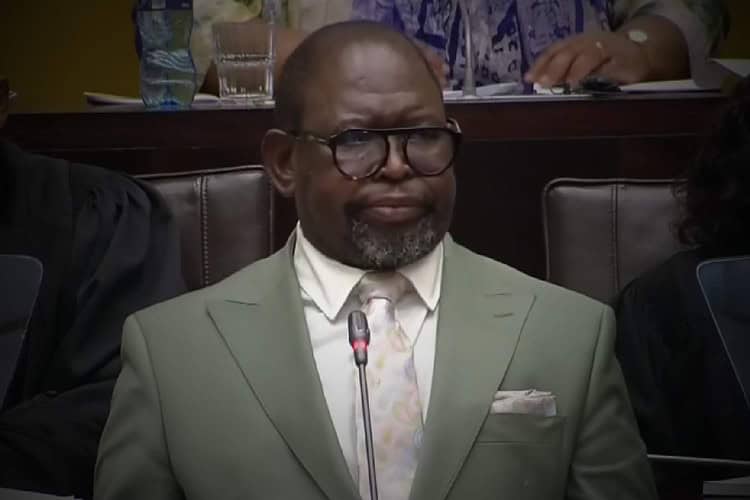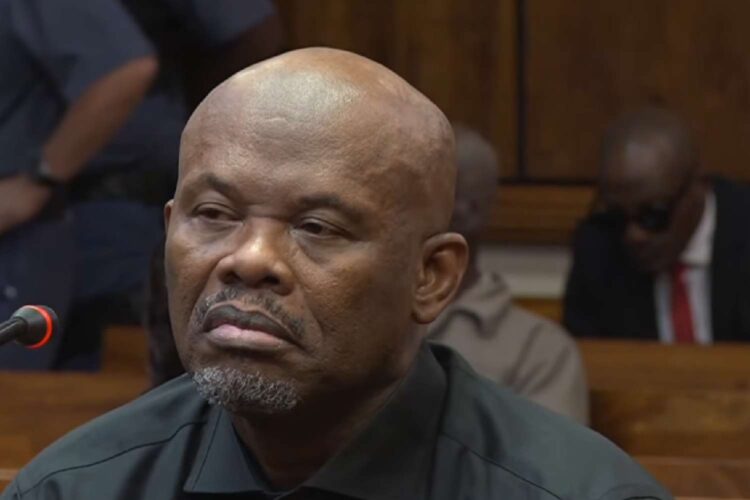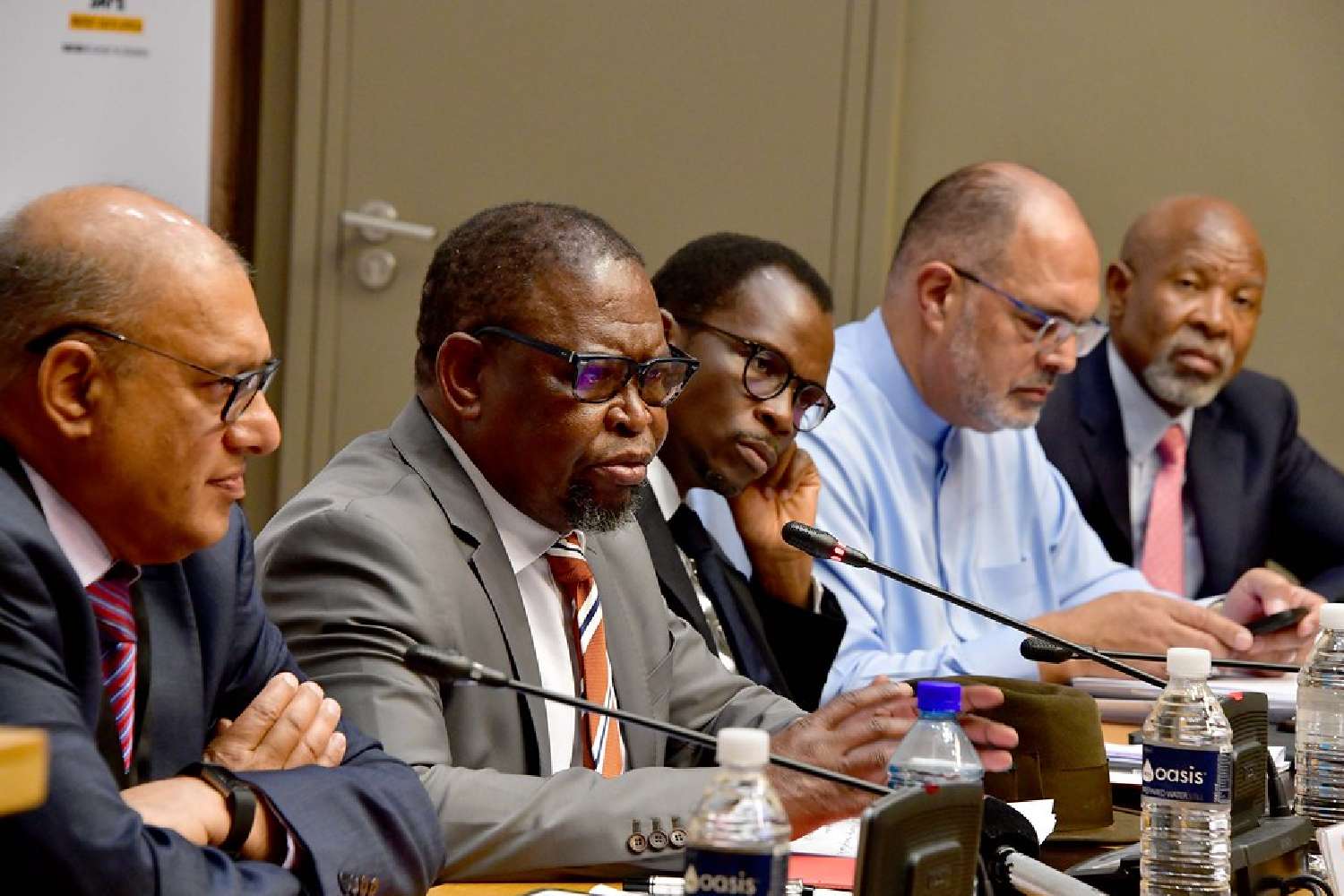


Finance Minister Enoch Godongwana and Reserve Bank Governor Lesetja Kganyago have been denied accreditation to attend the G20 Finance Ministers meeting in Washington, DC, which is running alongside the International Monetary Fund and World Bank Spring Meetings from 13 to 18 April 2026, in what amounts to the most serious diplomatic rebuke South Africa has faced from the United States in decades.
The United States government declined to accredit South Africa’s delegation, effectively barring the country from participating in G20 finance discussions for the remainder of the year. South Africa is Africa’s only full member of the G20 and one of the group’s founding nations.
Godongwana responds and calls it a “holiday”
Godongwana confirmed the exclusion to reporters on Monday.
“We are members of the G20. However, the US has not accredited us, which means that South Africa will not be part of the G20 for the whole of this year,” Godongwana said.
The minister sought to minimise the diplomatic sting publicly, adding:
“We have taken a view that for us it is a holiday from the G20 this year.”
The comment drew immediate pushback from analysts and opposition parties who described the minister’s framing as dangerously complacent. South Africa’s exclusion means that the country will have no seat at the table as G20 finance ministers discuss global economic responses to the Iran crisis, oil market disruption, trade tariffs and debt sustainability, all issues with direct and material consequences for the South African economy and its citizens.
The diplomatic context behind the exclusion
The US refusal to accredit South Africa follows a sustained deterioration in bilateral relations driven by several flashpoints, including South Africa’s case against Israel at the International Court of Justice, the ANC government’s continued engagement with Russia and China, and disputes over trade policy.
The administration of President Donald Trump has adopted an increasingly transactional approach to multilateral forums, and analysts say the G20 exclusion reflects a deliberate political signal rather than an administrative oversight.
France has committed to raising South Africa’s exclusion formally at the next G20 session. The exclusion raises structural questions about the G20 itself: if a founding member can be denied participation through the unilateral decision of the host country, the forum’s rules-based foundations are arguably compromised.
South Africa is expected to rejoin the G20 when the United Kingdom assumes the rotating presidency in November 2026.
What South Africa loses by being absent
The timing is particularly damaging. The IMF and World Bank Spring Meetings are the moment when finance ministers negotiate positions on debt relief, climate finance and commodity market governance, all areas where South Africa has significant stakes. Godongwana was scheduled to engage counterparts on the country’s fiscal consolidation programme and the rollout of the Just Energy Transition Investment Plan, which depends in part on international financing commitments.
Governor Kganyago’s absence from the meetings of central bank governors is also consequential: the Monetary Policy Committee’s decisions on South African interest rates are informed by global policy signalling that happens in the corridors of these events.