

Peter Magyar’s centre-right Tisza party won a landslide majority in Hungary’s parliamentary election on Sunday, 12 April 2026, ending the 16-year authoritarian rule of Prime Minister Viktor Orban in a result that sent shockwaves through European politics and delivered a significant blow to the network of nationalist leaders aligned with US President Donald Trump.
With 97.35% of precincts counted, Tisza secured 53.6% of the vote and 138 of the 199 seats in parliament. Orban’s Fidesz party and its junior partner, the Christian Democratic People’s Party, received 37.84% of the vote and won just 55 seats, a collapse that ended Hungary’s experiment with what Orban himself called “illiberal democracy.”
Magyar’s victory speech and Orban’s concession
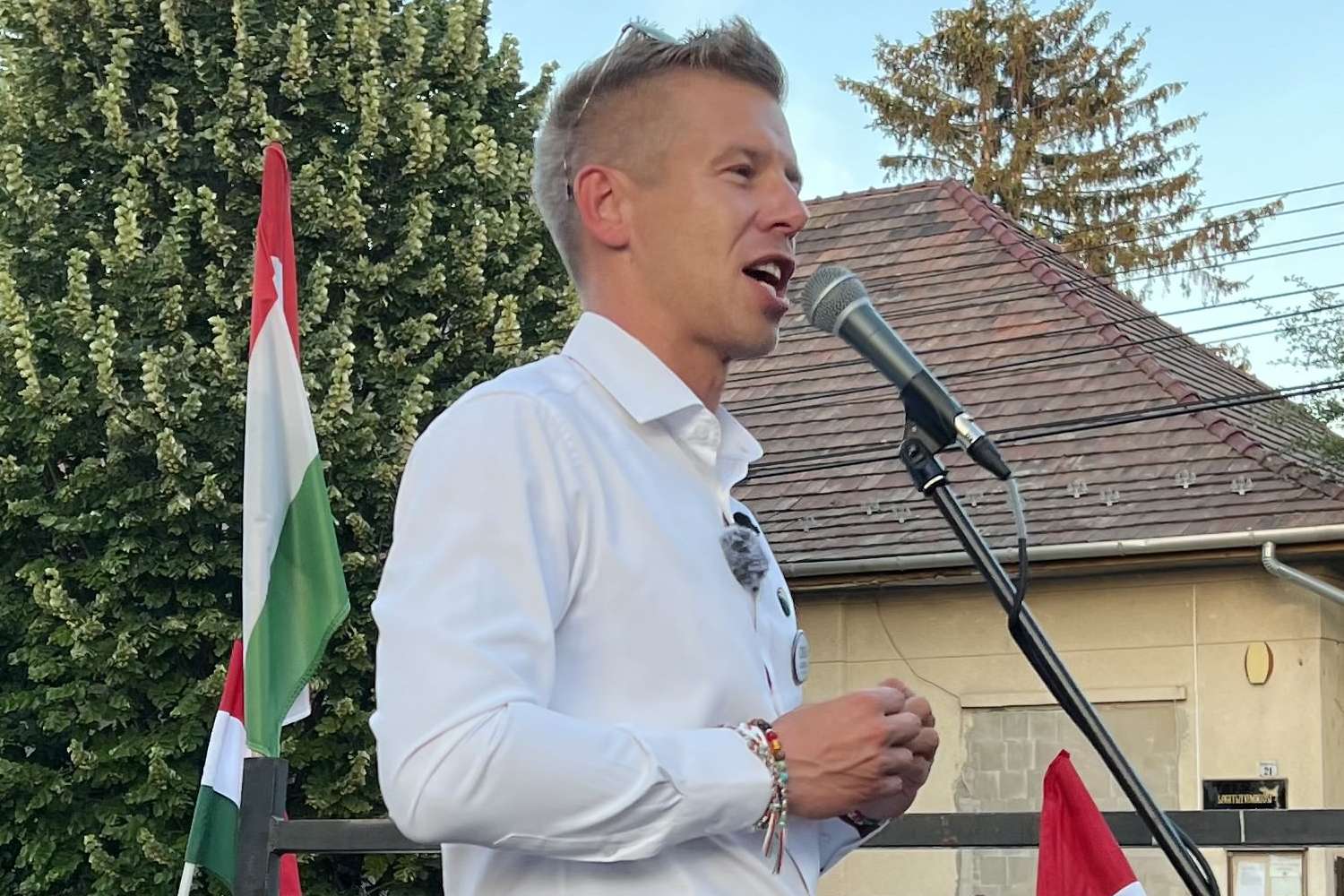
Speaking to tens of thousands of jubilant supporters in Budapest on election night, Magyar was emphatic about the scale of the mandate he had received. “Tonight, truth prevailed over lies,” Magyar declared in his victory speech, adding:
“Never in the history of democratic Hungary have so many people voted, and no other party has ever received such a big mandate.”
Orban conceded less than three hours after polls closed, telephoning Magyar personally to offer his congratulations. In a brief address to Fidesz supporters, Orban acknowledged the scale of his defeat without equivocation. “The election result is painful for us, but clear,” Orban said, marking the end of a political era that had reshaped Hungary’s relationship with the European Union, the rule of law, and press freedom.
What Magyar’s victory means for Europe and South Africa
Magyar’s win is expected to unlock approximately €90 billion in European Union funds to war-battered Ukraine; money that Hungary, under Orban, had blocked for nearly three years.
EU officials in Brussels greeted the result with barely concealed relief, and the European Commission indicated it was ready to resume disbursements as soon as a new Hungarian government formally requested them.
For South Africa, the implications are significant across several dimensions. Orban was one of the most prominent members of the international nationalist bloc aligned with Donald Trump, and his defeat weakens a political network that has complicated multilateral diplomacy, including on climate finance and trade, at forums where South Africa has critical interests.
Magyar has signalled a return to conventional EU foreign policy, including support for Ukraine’s territorial integrity and a resumption of normal relations with the International Monetary Fund and the World Bank, both of which Hungary’s nationalist government had strained.
Magyar has also indicated he will speak directly with Russian President Vladimir Putin and call on him to end the war in Ukraine, a pragmatic stance that European officials hope will complement, rather than obstruct, broader peace efforts.
What happens next
Magyar is expected to be formally confirmed as Hungary’s new prime minister in coming weeks, after which he will need to form a government and begin the process of legislative reform.
His promises of accountability include action against officials who, he alleges, plundered state resources during the Orban years. EU funds are expected to begin flowing to Hungary and through Hungary to Ukraine once the new government is sworn in.
Swisher Post will continue to monitor developments in Budapest and report on the diplomatic implications for Africa.