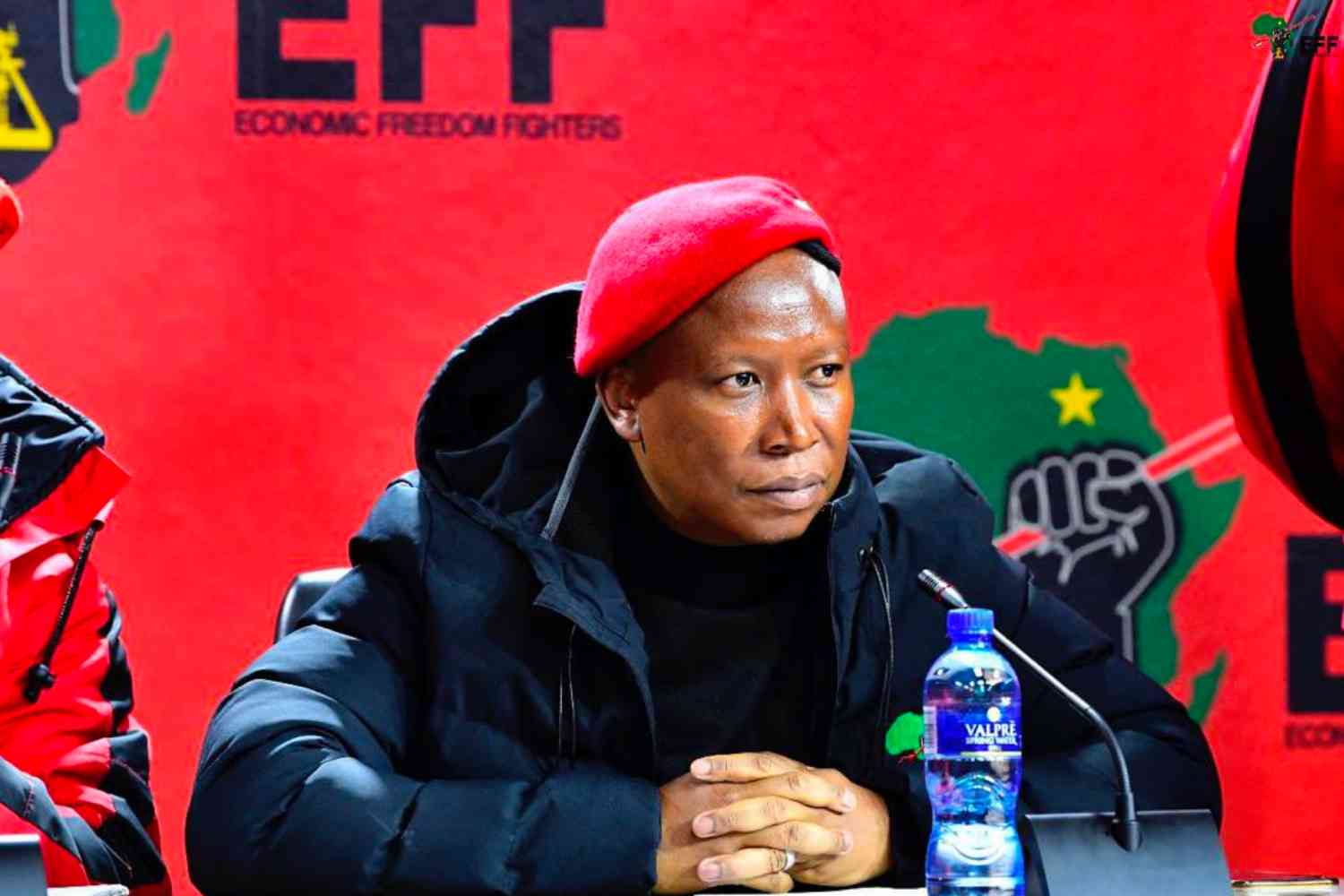


EFF leader Julius Malema is expected to be sentenced on Thursday, 16 April 2026, in the East London Regional Court, where Magistrate Twanet Olivier will hand down judgment on five charges under the Firearms Control Act arising from a 2018 incident at Sisa Dukashe Stadium in Mdantsane, Eastern Cape. A sentence exceeding 12 months without the option of a fine would cost Malema his seat in the National Assembly under South African law.
Malema was convicted on 1 October 2025 after a protracted trial in which video evidence showed him discharging what appeared to be a semi-automatic rifle into the air on stage in front of thousands of supporters during the EFF’s fifth anniversary rally on 28 July 2018. The five charges relate to the unlawful discharge of a firearm in a public place, possession of an unlicensed firearm, and related counts, all stemming from the same approximately two-minute incident.
State pushes for maximum term as defence argues against prison
Pre-sentencing arguments concluded on Wednesday, 15 April, with the state urging the magistrate to impose the maximum available sentence. The prosecution told the court that Malema was “shifting blame and deserves jail time,” adding in a statement that summed up the state’s case: “The show is over.”
The maximum combined sentence on the five counts is 15 years.
Defence counsel Advocate Laurence Hodes SC argued against a custodial sentence, submitting that while his client was convicted on five counts, all charges arose from a single event that lasted no more than two minutes.
Hodes urged the court to consider a non-custodial sentence, citing Malema’s public profile, political responsibilities, and the absence of any prior criminal record of violence.
Malema, for his part, showed characteristic defiance in the lead-up to sentencing. Addressing supporters outside court, he dismissed concerns about his fate:
“I am too old to be shaken by young Afrikaner boys,” the EFF leader said, a remark widely reported on social media that drew both praise from supporters and criticism from opposition politicians.
What a prison sentence would mean for the EFF
The constitutional and political stakes around Thursday’s judgment are considerable. Section 47(1)(e) of the Constitution of the Republic of South Africa disqualifies any person sentenced to more than 12 months’ imprisonment without the option of a fine from serving as a member of the National Assembly.
If Malema receives such a sentence, he would vacate his parliamentary seat, a development that could trigger a leadership crisis within the EFF ahead of the 2029 election cycle.
The EFF caucus has, in recent months, navigated internal tensions around succession, and Malema’s absence from Parliament would accelerate those conversations.
The party is expected to appeal any custodial sentence, which would likely stay its effect pending the outcome of that process. Hundreds of EFF supporters gathered outside the KuGompo City Regional Court in East London on Wednesday and are expected to return in larger numbers on Thursday.
Background: the Mdantsane shooting that triggered the case
The charges originate from a moment at the EFF’s 5th anniversary celebrations that was captured on video and widely circulated at the time. In the footage, Malema, surrounded by EFF marshals, raises what appears to be a rifle and fires multiple rounds into the air above the stadium crowd.
He was charged under the Firearms Control Act, with trial proceedings beginning in 2019 and repeatedly delayed before reaching a verdict in October 2025.
The National Prosecuting Authority confirmed in a statement at the time of conviction that the case had been prosecuted as a matter of principle, regardless of the accused’s political status. The NPA noted:
“The court delivered a guilty verdict in the Julius Malema case, confirming that no individual is above the law.”