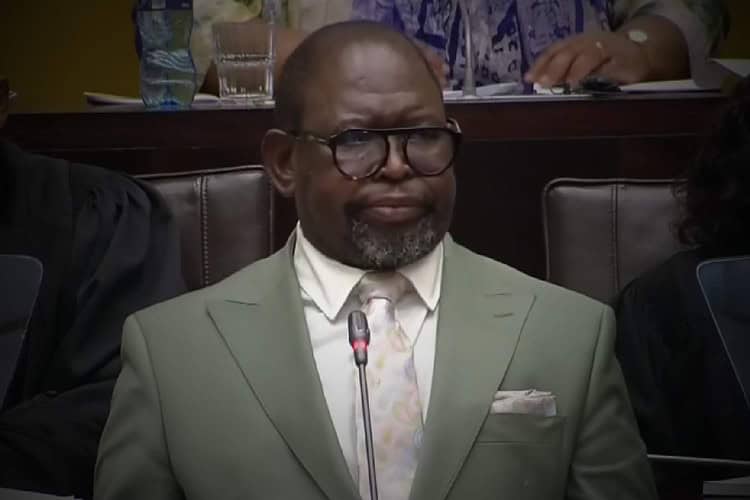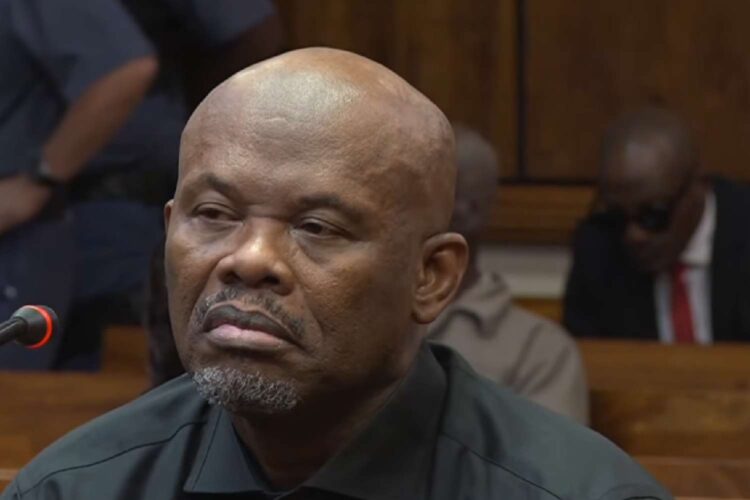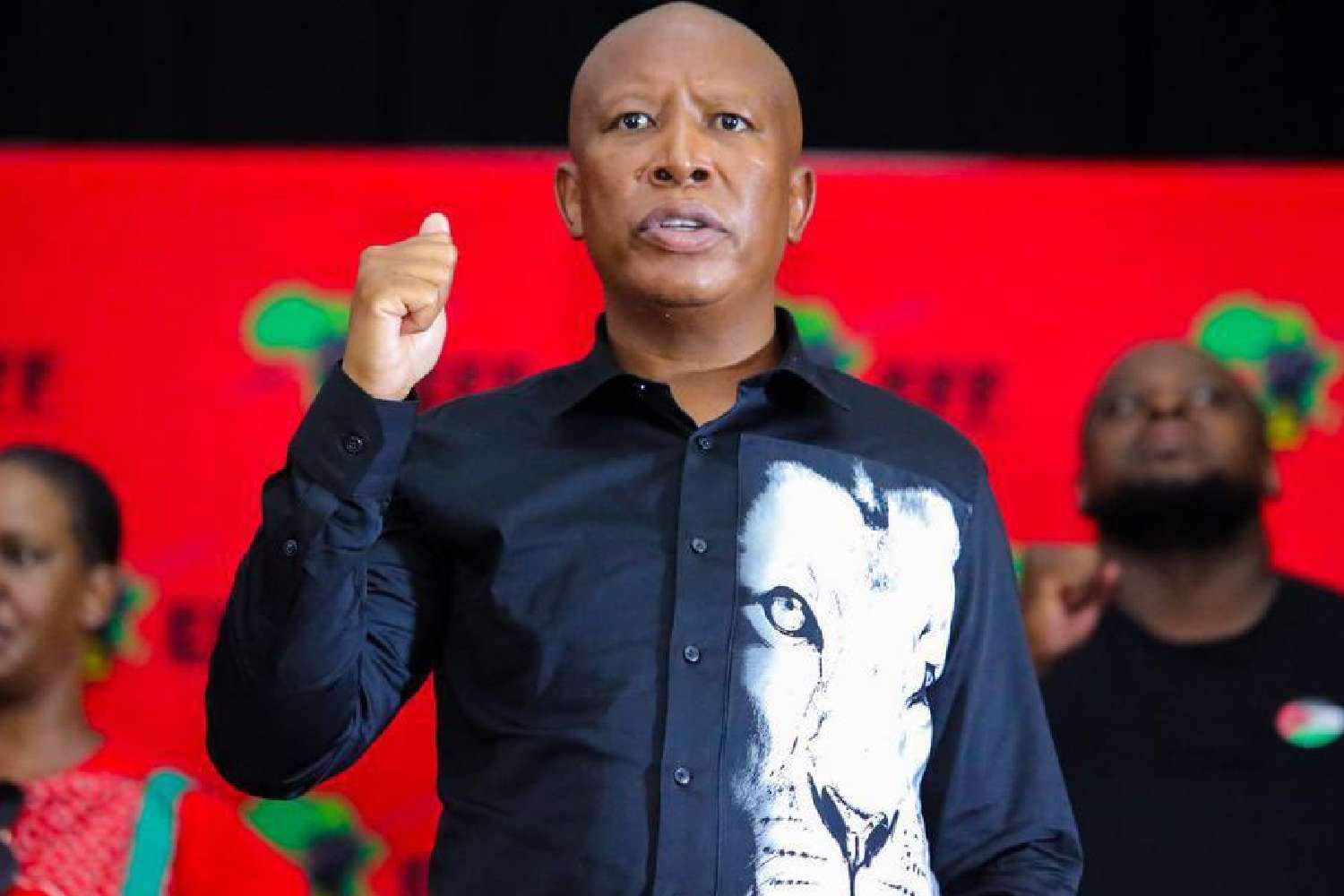


Economic Freedom Fighters leader Julius Malema is in the dock at the KuGompo Magistrate’s Court on Wednesday 15 April 2026 as a two-day pre-sentencing hearing gets under way, with the state pushing for a 15-year prison term that would not only end his parliamentary career but fundamentally reshape South Africa’s opposition politics.
Malema was convicted on 1 October 2025 on five counts under the Firearms Control Act, arising from an incident at an EFF rally in Mdantsane in 2018 during which he discharged a firearm in a built-up area. Magistrate Twanet Olivier found him guilty of unlawful possession of a firearm and ammunition, discharging a firearm in a built-up area, and reckless endangerment. His co-accused, Adriaan Snyman, was acquitted of all charges.
What the state is asking for and why it matters
The prosecution is seeking a sentence of 15 years’ imprisonment, the maximum available on the combined charges. The implications of any custodial sentence exceeding 12 months without the option of a fine would be immediate and severe: under the Constitution, Malema would be disqualified from holding a seat in the National Assembly, triggering a by-election process in the EFF’s proportional representation allocation.
Malema’s legal team has argued for a non-custodial sentence, highlighting that their client is a first-time offender and that his parliamentary and family responsibilities constitute mitigating factors. Malema himself, speaking before the hearing, maintained his characteristic defiance.
“Someone wants me in jail,” Malema said, repeating his longstanding claim that the prosecution is politically motivated.
The conviction and the charges in context
The charges arose from a single event: an EFF rally in the Eastern Cape eight years ago. The National Prosecuting Authority confirmed the guilty verdict in a formal statement following the October 2025 ruling:
“The court delivers [a] guilty verdict in the Julius Malema case,” the NPA stated, outlining the five counts on which Malema was found guilty.
The gap between conviction and sentencing, now more than six months, was occupied by the preparation and presentation of a pre-sentencing report as well as mitigation testimony from the defence.
The court has now received all submissions and the pre-sentencing proceedings scheduled for 15 and 16 April are expected to culminate in a sentencing date being set, or a sentence being handed down directly.
What comes next for Malema and the EFF
Malema has indicated publicly that he will appeal any adverse sentence, and his legal team is expected to argue strenuously for the matter to proceed to the High Court if necessary.
An appeal process could take months to years, and Malema may remain free on bail pending the outcome, depending on the conditions the court attaches to any sentence.
The political stakes for the EFF extend beyond Malema personally. The party entered the 2024 general election as the third-largest force in the National Assembly and its visibility depends substantially on Malema’s floor presence and profile.
A prison sentence would force the organisation to contest the interpretation of its mandate with a potentially leaderless national campaign.
Swisher Post will continue to cover proceedings as they develop on 15 and 16 April.