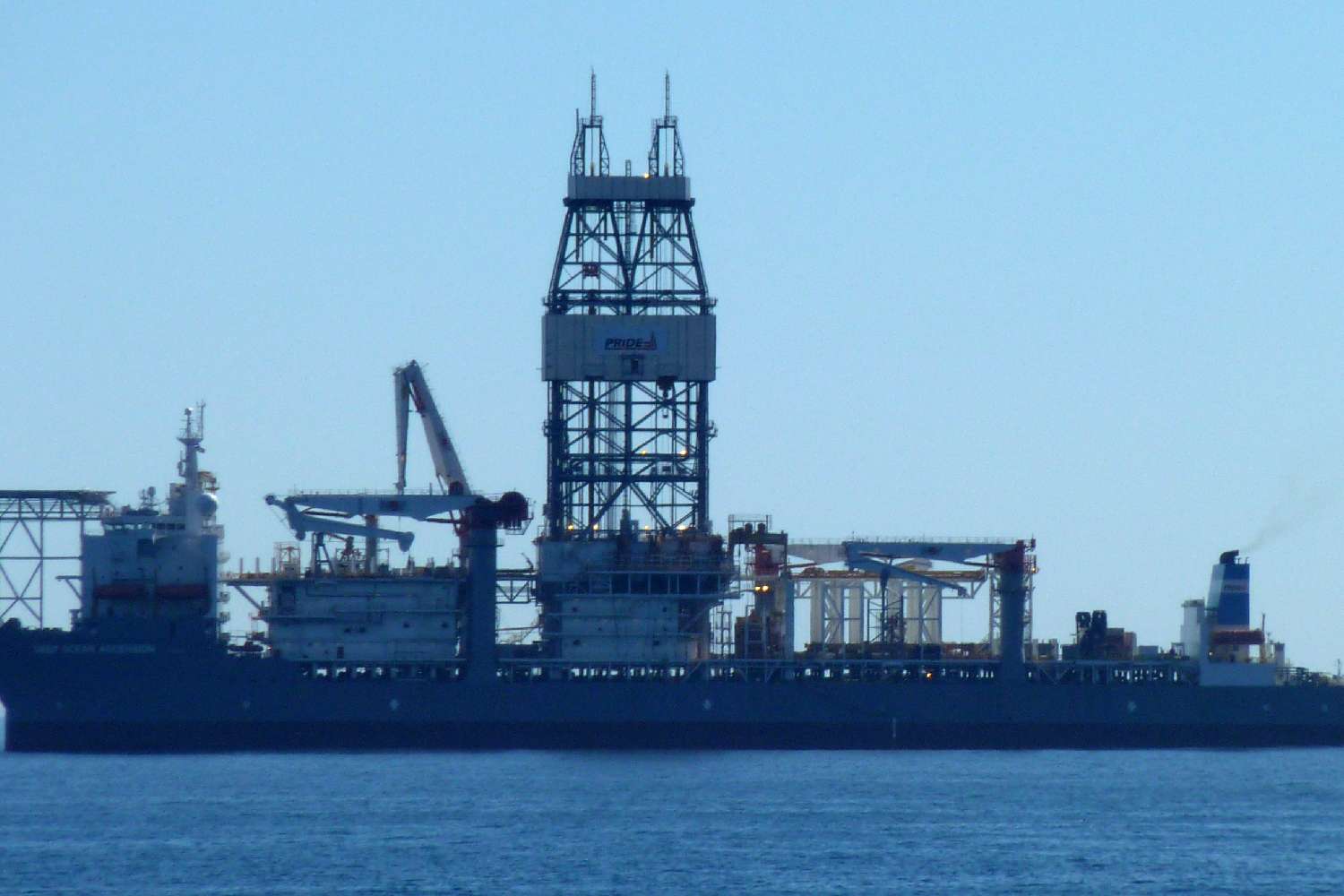


Oil prices climbed above $110 per barrel on Sunday after US President Donald Trump gave Iran until Tuesday to reopen the Strait of Hormuz or face attacks on its power plants and bridges, deepening concerns for South African motorists already reeling from April’s record fuel price increases.
The escalation comes just days after petrol rose by R3.06 per litre and diesel by as much as R7.51 per litre from 1 April, the largest diesel increase in South Africa’s history.
What is driving the oil price surge
Brent crude, the global benchmark that determines South Africa’s fuel price, rose to $110.60 per barrel on Sunday, while US crude (WTI) topped $114. The spike followed Trump’s social media post in which he told Iran to “open the fu*kin’ Strait” or face “hell,” marking some of the most aggressive language a sitting US president has used toward Iran.
Oil markets have been volatile since the US launched strikes against Iran in late February. Brent has surged from around $69 per barrel to above $110 in just over a month, driven by fears that the conflict could disrupt supply through the Strait of Hormuz, through which roughly 20% of the world’s oil passes daily.
Iran responded on Monday by warning of “devastating” retaliation against further US attacks on its infrastructure, raising the prospect of a prolonged conflict with no clear diplomatic off-ramp.
How this affects South Africa’s fuel price
The April fuel price adjustment already reflected a Brent average of $93.67, well below where the benchmark now trades. If oil remains above $110 through April, the under-recovery on petrol and diesel will balloon, pointing to another sharp increase in May.
Minister Gwede Mantashe announced a temporary R3.00 per litre reduction in the general fuel levy from 1 April to 5 May to cushion the blow. That relief will expire just as the next adjustment takes effect, creating what analysts describe as a double hit for consumers.
A 60-litre tank of petrol 95 in Gauteng now costs approximately R1,560, up from R1,377 in March. Diesel users, including transport and logistics operators, have been hit even harder, with the 0.05% sulphur grade now at R22.79 per litre in the inland regions.
What the rand is doing
The rand has weakened under pressure from global risk aversion linked to the Iran conflict and the broader US-China trade war.
A weaker rand amplifies the impact of higher dollar-denominated oil prices on local fuel costs, creating a compounding effect that the Central Energy Fund tracks daily.
What happens next
The immediate trigger is Trump’s Tuesday deadline. If Iran does not reopen the Strait of Hormuz, further US strikes could push oil prices even higher.
The Central Energy Fund will continue to publish daily over- and under-recovery figures, which will determine the size of May’s adjustment. The temporary fuel levy relief expires on 5 May, after which the full levy will be restored.
South African motorists and businesses should brace for the possibility that May’s fuel price could exceed April’s already elevated levels, particularly if the rand remains under pressure and the conflict intensifies.