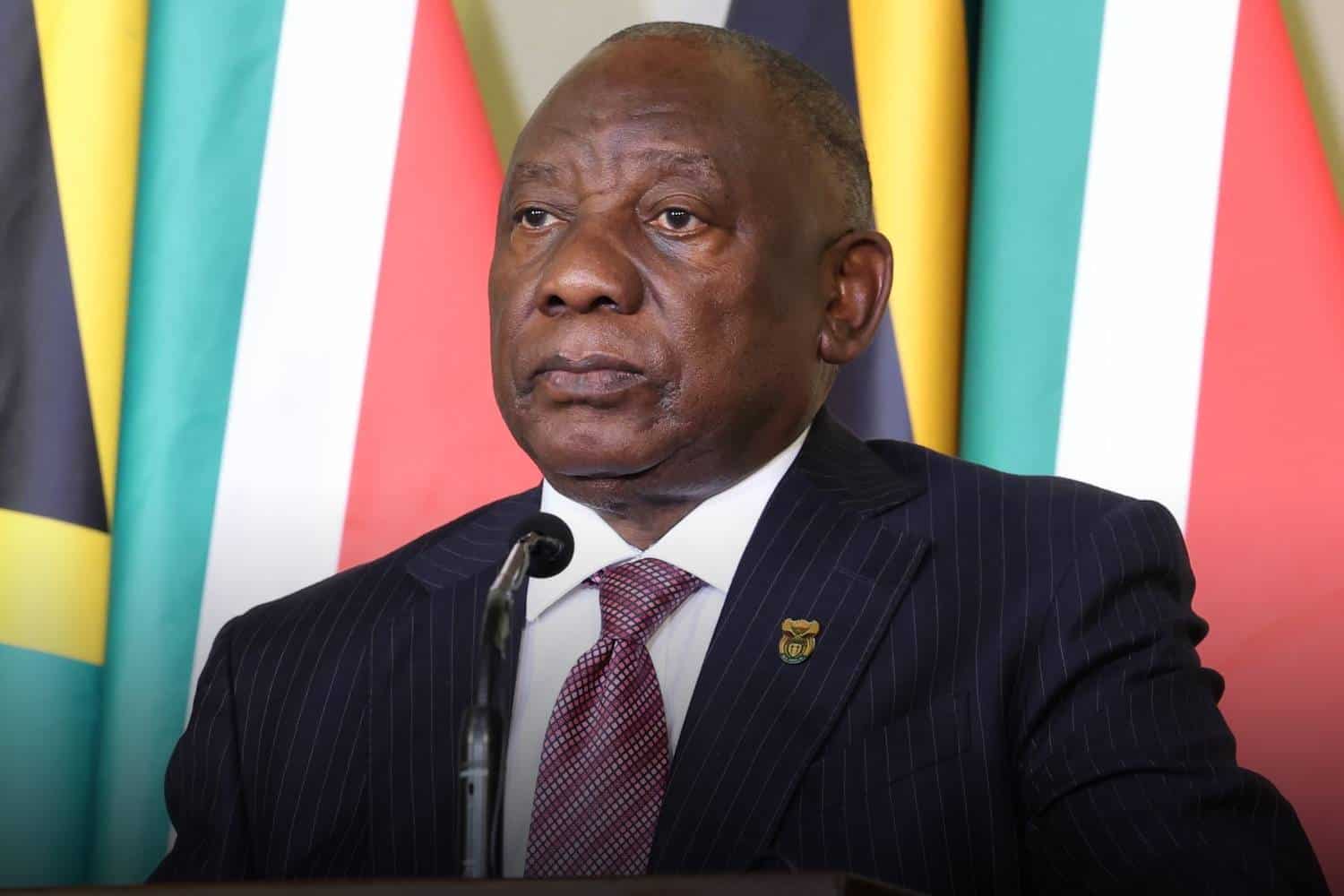


South Africa has officially assumed the chairmanship of the Southern African Development Community (SADC), with President Cyril Ramaphosa calling for a dynamic common market to boost regional trade.
The ascendancy to the leadership of the 16-member bloc took place during the forty-sixth Summit of SADC in eThekwini, KwaZulu-Natal, on Monday, 17 August 2026.
As reported by BusinessTech, the handover occurs at a critical juncture for the region, which currently faces tepid economic growth, declining industrialisation and persistent trade barriers.
SADC chairmanship priorities
President Ramaphosa has set a clear agenda for the country’s yearlong term. The administration will focus heavily on promoting industrialisation, establishing regional value chains and investing in shared infrastructure.
The government is actively seeking to encourage the greater processing of critical minerals and agricultural products within the borders of the region rather than exporting raw materials.
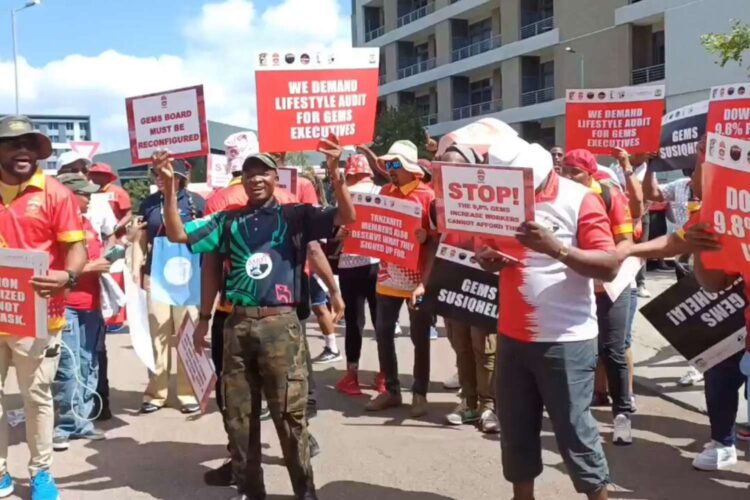
Addressing the summit, Ramaphosa addressed recent domestic tensions, stating that South Africa was “deeply concerned and ashamed” regarding the recent discrimination and ill-treatment of nationals from other African countries.
These protests previously forced tens of thousands of undocumented migrants, primarily from Zimbabwe and Malawi, to leave the country.
The need for regional unity was a central theme of the opening remarks.
“No country in the region can build an integrated power system, develop cross-border corridors, manage shared water resources or withstand the full force of climate change on its own,” Ramaphosa said.
Trade barriers remain
Despite the region’s abundant energy resources, minerals and industrial capabilities, intra-regional trade accounts for only 20% of the combined total trade among SADC nations.
Nine long-standing non-tariff barriers remain unresolved, and recurring trade disputes continue to artificially inflate the cost of doing business across these borders.
South Africa maintains a significant trade imbalance with its neighbours. The country exported R457.4 billion in goods to SADC nations in 2024, while importing only R109.9 billion.
The bloc’s Regional Development Fund will feature prominently in the coming months as SADC seeks to mobilise capital for much-needed industrial projects and infrastructure to correct these imbalances.
The push for a unified power system comes just months after Swisher Post extensively covered the creation of an independent Transmission System Operator (TSO) in South Africa.
The ongoing structural reforms at Eskom remain a vital component of ensuring energy stability, which will be necessary to support SADC’s broader industrialisation goals.
South Africa will hold the position for the next 12 months, taking over a bloc that holds a combined population of nearly 400 million people.
The government will now begin implementing a revised roadmap for the fund ahead of the 2026 to 2027 corporate plan.