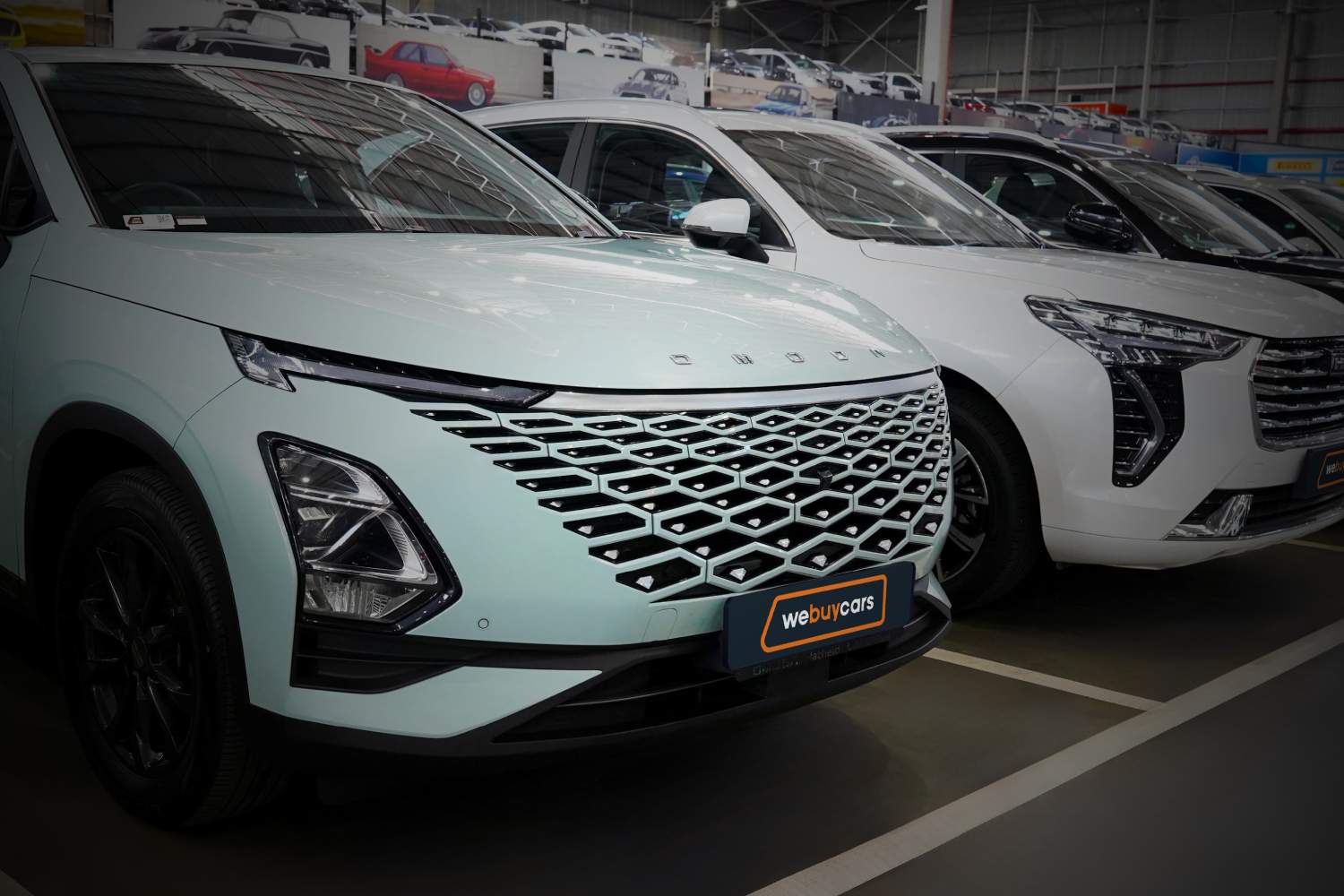


WeBuyCars has been hit with a R2.5 million administrative fine and told to refund more than R3.4 million to 31 customers after the National Consumer Commission (NCC) ruled that the company’s sales contracts broke South Africa’s consumer protection laws.
According to the NCC, the penalty follows a three-year investigation into complaints that WeBuyCars failed to honour remedies promised in its own sale agreements, particularly around warranties and post-sale defects on used vehicles.
The settlement was confirmed as a binding consent order by the National Consumer Tribunal on 19 December.
What regulators found wrong with WeBuyCars’ contracts
Consumers reported that when vehicles developed problems shortly after purchase, the company allegedly relied on restrictive warranty clauses and terms of sale to avoid providing repairs, replacements or refunds that should have been available under the Consumer Protection Act (CPA).
Following its investigation, the NCC concluded that WeBuyCars’ contracts unlawfully limited buyers’ rights, and that key clauses did not comply with several sections of the CPA.
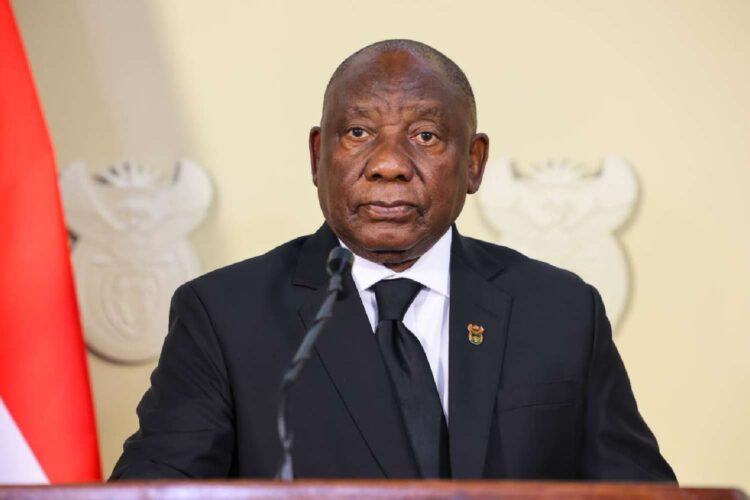
Acting NCC commissioner Hardin Ratshisusu said the consent order closes the probe while forcing the company to align its business with the law and compensate affected customers.
“The company has agreed to amend its terms and conditions to ensure full compliance, which will strengthen the protection of consumer rights,” Ratshisusu said.
Refunds, contract changes and a consumer education campaign
Under the order, WeBuyCars must refund R3,419,971.83 to the 31 identified consumers, with individual payouts to be processed in line with the Tribunal ruling.
In addition, the company is required to overhaul its standard terms and conditions so that future contracts clearly reflect consumers’ statutory rights to fair value, good quality and proper after-sales remedies.
The Tribunal also directed the company to implement a consumer awareness programme focused on buying pre-owned vehicles and understanding rights under the CPA.
The NCC says this education drive should help curb future disputes by making buyers more aware of what they can reasonably expect when purchasing used cars.
Beyond financial penalties, WeBuyCars has been instructed to create 300 additional jobs over the next five years to strengthen customer service capacity at its branches and call centres.
Regulators argue that more staff and better frontline support are necessary to handle complaints timeously and prevent small issues from escalating into formal disputes.
How big is WeBuyCars – and why this ruling matters
WeBuyCars is one of South Africa’s largest used-vehicle traders. Its latest published results for the year ended 30 September 2025 show group revenue of R26.4 billion, core headline earnings of R937.6 million and more than 179 000 vehicles sold over the 12-month period.
The company operates 18 large vehicle “supermarkets”, 106 buying pods nationwide and employs more than 3 500 people.
The NCC says the size and reach of the business were key factors in pursuing a consent order, given that its sales practices affect thousands of motorists every month.
Regulators hope the outcome will set a benchmark for other large players in the used-car industry to ensure their contracts, warranties and returns policies are fully CPA-compliant.
What this means for car buyers
For affected customers, the ruling provides direct financial redress and confirmation that the NCC will enforce the CPA where contracts unfairly limit statutory rights.
For future buyers, the expectation is that revised WeBuyCars contracts will provide clearer protection around defects, returns and repairs, backed by improved customer-service capacity.
The NCC has urged any consumer who believes their rights have been infringed in vehicle purchases to lodge complaints through its official channels or with accredited industry ombuds, noting that systemic issues uncovered in one company can trigger wider investigations across the sector.