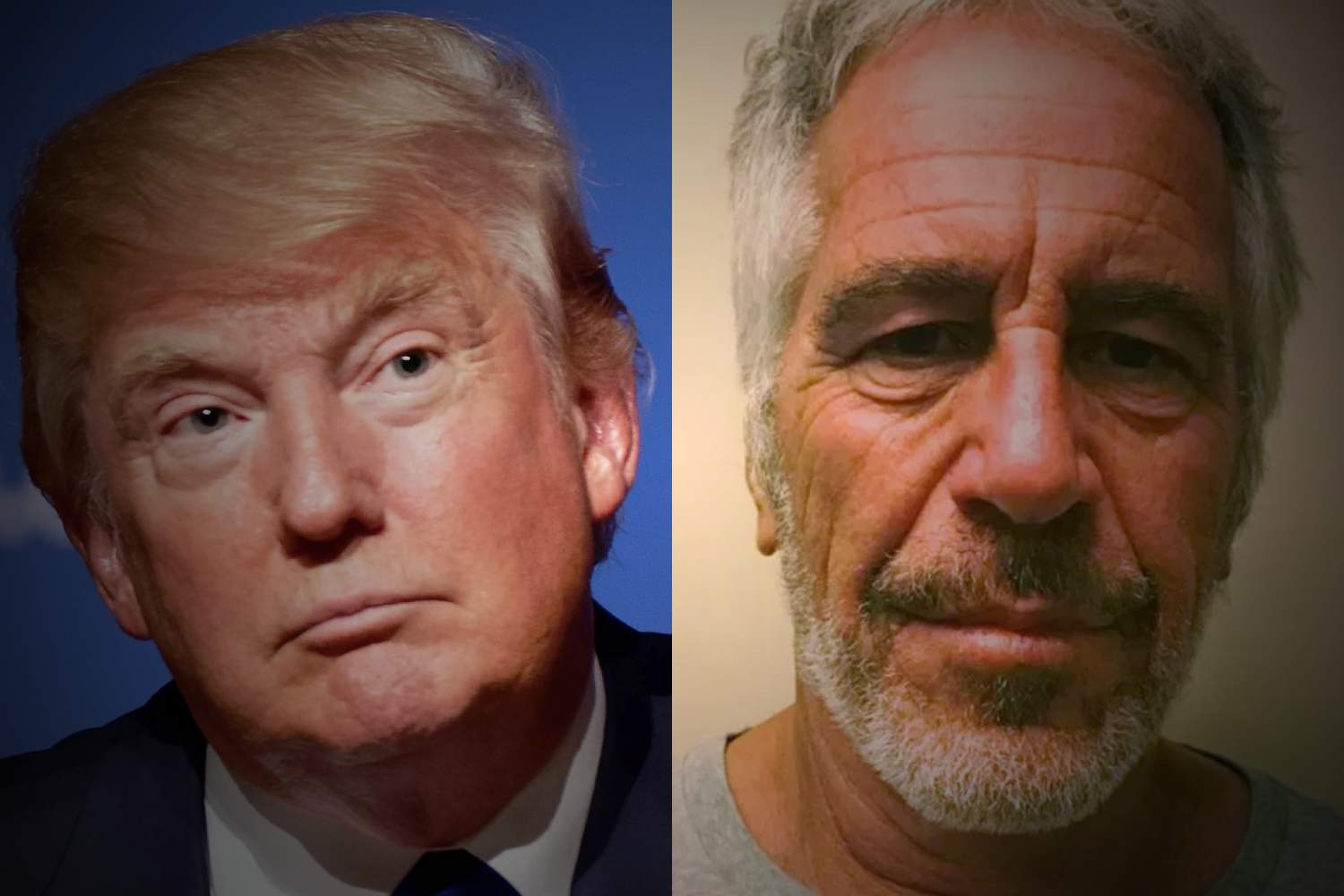


The US Justice Department has released a new batch of Epstein files, nearly 30 000 pages of documents tied to the Jeffrey Epstein investigation, while warning that some claims involving President Donald Trump in the material are “untrue and sensationalist.”
According to the department, some of the allegations about Trump were submitted to the FBI shortly before the 2020 US election and have been assessed as baseless.
In a statement, the DOJ said the claims are unfounded and false and argued that, if they had any credibility, they “would have been weaponized against President Trump already.”
DOJ: transparency and legal duty behind Epstein files release
The Justice Department says it is releasing the new Epstein files “out of our commitment to the law and transparency,” while applying legally required protections for Epstein’s victims.
Officials are acting under the Epstein Files Transparency Act, passed by Congress in November, which compels the department to make all Epstein-related materials public within strict timelines, with content that could identify victims redacted.
Deputy Attorney General Todd Blanche told lawmakers that teams of government lawyers are reviewing the documents and applying redactions to protect victims, privileged legal discussions and sensitive investigative material.
What the latest Epstein files contain
The new release includes internal investigative records, correspondence, interview notes and court material.
CNN’s review of the trove highlights several strands:
- An internal email from a federal prosecutor in New York noting that flight records show Trump travelled on Epstein’s private jet “at least eight” times between 1993 and 1996, including flights where Ghislaine Maxwell was also on board. Authorities have not accused Trump of any criminal wrongdoing related to those trips.
- A 2019 jailhouse letter signed “J. Epstein” and addressed to convicted US gymnastics doctor Larry Nassar, in which Epstein crudely references “our president” and “young, nubile girls.” The letter is part of the evidence set but does not itself amount to any criminal allegation against Trump.
- A 2021 subpoena to the Mar-a-Lago Club seeking employment records linked to a redacted individual as part of the Maxwell prosecution. The documents do not clarify whose records were requested or what was ultimately produced.
- Email exchanges from 2001 between Ghislaine Maxwell and a correspondent identified only as “A”, writing from Balmoral, the British royal family’s Scottish estate, and asking for “new inappropriate friends.” The individual is not explicitly named in the documents and no charges are attached to the correspondence.
Trump and other high-profile figures named
The material shows Trump’s name surfacing in multiple contexts, from flight records to photographs and references in correspondence. At the same time, the Justice Department and investigators repeatedly state that being mentioned in the Epstein files does not in itself indicate criminal conduct.
Trump has previously acknowledged knowing Epstein socially in Palm Beach in the 1990s and early 2000s, but says they fell out and that he was “not a fan.” He has not been charged with any offence related to Epstein.
Other public figures also appear in images and references, including former President Bill Clinton and a number of entertainers. The documents released so far show them at public events and social settings, and none of the published photographs depict criminal acts.
Redactions, errors and survivor concerns
The scale of the Epstein files release has already drawn criticism from survivors and lawmakers over how redactions are being handled.
Some pages are fully blacked out, while at least one survivor who used the pseudonym “Jane Doe” says her name appeared unredacted in the first batch and that she has struggled to have it removed.
Blanche has defended the approach, saying the redactions are “simply” to protect victims, and the DOJ has acknowledged that its process is vulnerable to both machine and human error, given the volume of records.
What happens next with the Epstein files
The Justice Department says more Epstein files will be released in stages as review work continues.
Photos and other materials will, in its words, “continue being reviewed and redacted consistent with the law in an abundance of caution” as additional information is received.
For now, the latest Epstein files deepen the public record on Epstein’s network, while the department attempts to balance transparency with its legal duty to shield victims and filter out what it publicly calls untrue and sensationalist claims.