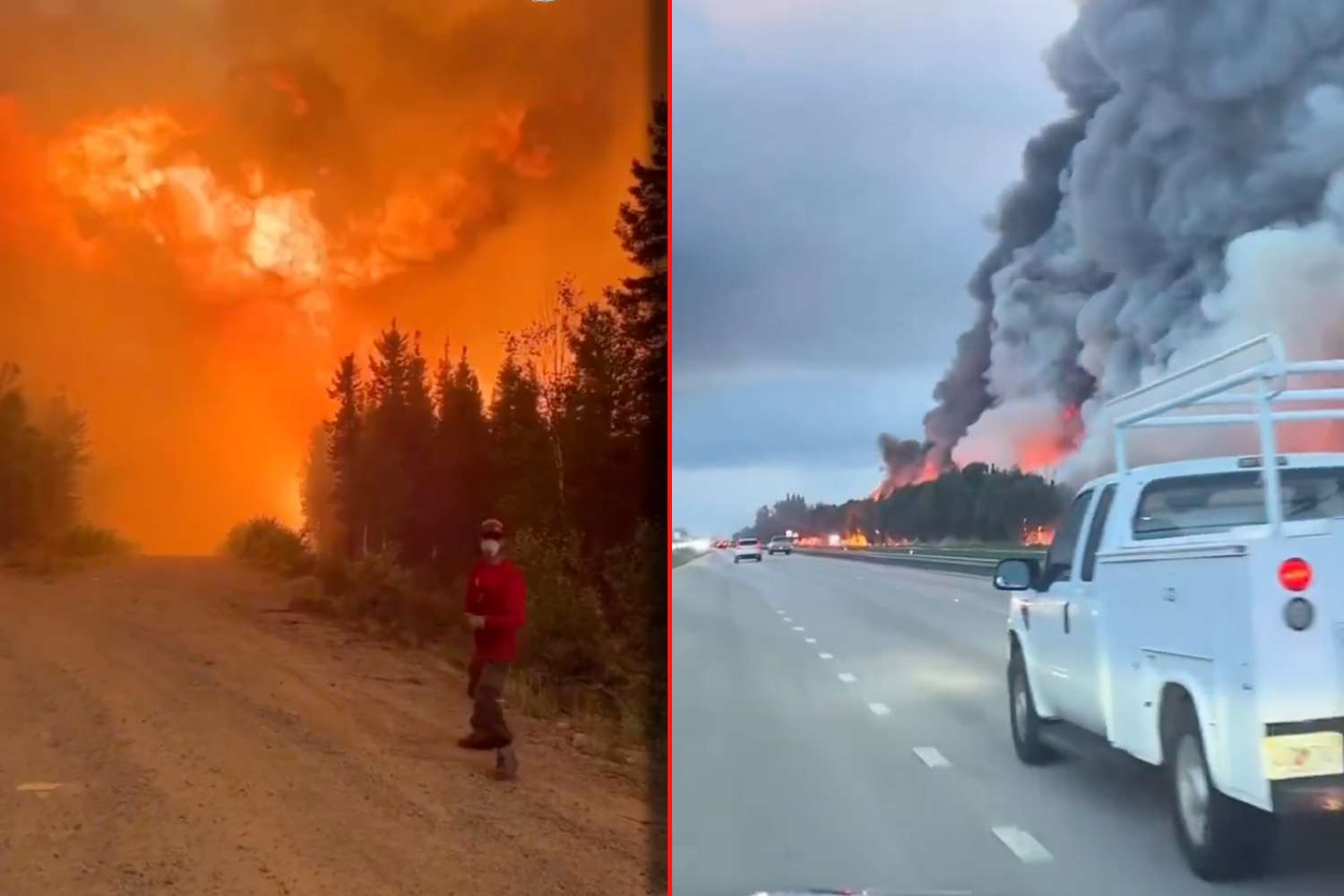


Canadian wildfire smoke has fouled air across the US Northeast, Mid-Atlantic and Midwest since Saturday, 18 July 2026, as more than 900 fires in Canada and blazes in Minnesota pushed hazardous pollution over major cities.
The haze has spread from wildfires in Canada, including Manitoba and Ontario, and from fires in northeast Minnesota, as reported by NPR.
The National Weather Service said rain could clear eastern skies over the weekend, while dangerous pollution would grip the Midwest into the following week.
Where the Canadian wildfire smoke was heaviest
NWS forecaster Brian Hurley traced the plume’s next move toward the Midwest.
“As we start clearing out here in the east, they’re going to get the next batch of smoke later this afternoon into tonight across areas from upper Michigan, eastern Wisconsin, into Illinois and Indiana, including Chicago. That will continue through [Sunday], unfortunately.”
Hurley said Washington DC’s air had eased after its landmarks stood in thick haze on Friday, 17 July 2026.
“But not nearly to the level that we’ve been seeing. We’re only talking about maybe a fourth or a third of the concentration of particulates.”
Trump ties Canadian wildfire smoke to new tariffs
US President Donald Trump threatened fresh tariffs on Canada in a Friday, 17 July 2026 post on Truth Social, accusing it of neglecting its forests and saying the US was being invaded by “filthy, polluted, and unhealthy air.”
His post read in part:
“This is Willful Negligence, and becoming a yearly occurrence, costing the United States Billions of Dollars, which cost of this pollution must of necessity be added to the TARIFFS Canada is currently paying.”
Four Republican House members from Michigan wrote to Canadian Prime Minister Mark Carney, accusing his government of dismissing Americans’ health, and Carney replied that both nations shared responsibility for climate change.
The US Forest Service said the Bear Trap and Thumb fires had crossed from Minnesota into Canada that week, while Ontario Premier Doug Ford noted Canada’s record of helping US crews.
How to limit exposure to wildfire smoke
Johns Hopkins University environmental health professor Peter DeCarlo urged residents to run an air purifier indoors.
“That’s going to minimize the amount of particles that you would be breathing in that space.”
He said a building’s age and tightness shaped how much smoke got inside.
“The age of the home and how tight the building is adjusts how much of that particulate matter from outside smoke comes in. A rough estimate is on the order of 50% for a lot of the houses in the continental U.S.”
DeCarlo said a well-fitted mask offered real protection outdoors.
“N-95 masks are protective, not only from COVID particles, but also for pollution. You can put on an N-95 and actually protect yourself pretty significantly with that if you want to go walk around the block and get some time outdoors.”
Minnesota fires and the week ahead
DeCarlo warned that children, pregnant women, older adults and people with existing conditions faced particular risk. In Minnesota, where air quality broke records, more than 600 firefighters battled blazes across 70 000 acres near evacuated areas, with hazardous levels set to grip the Midwest into the following week.