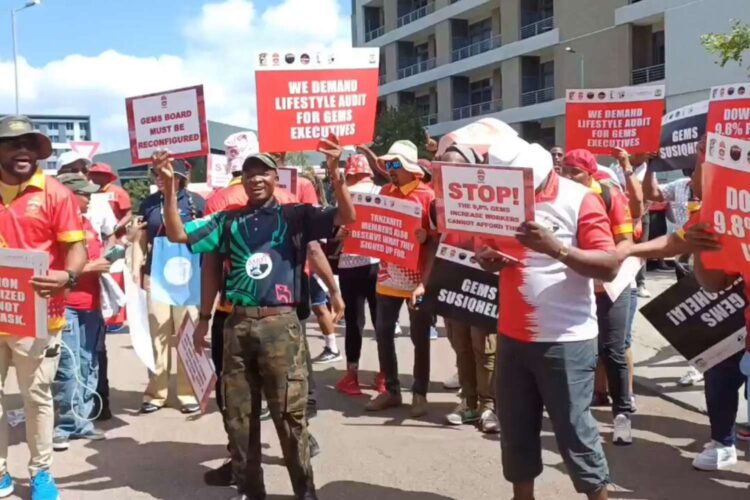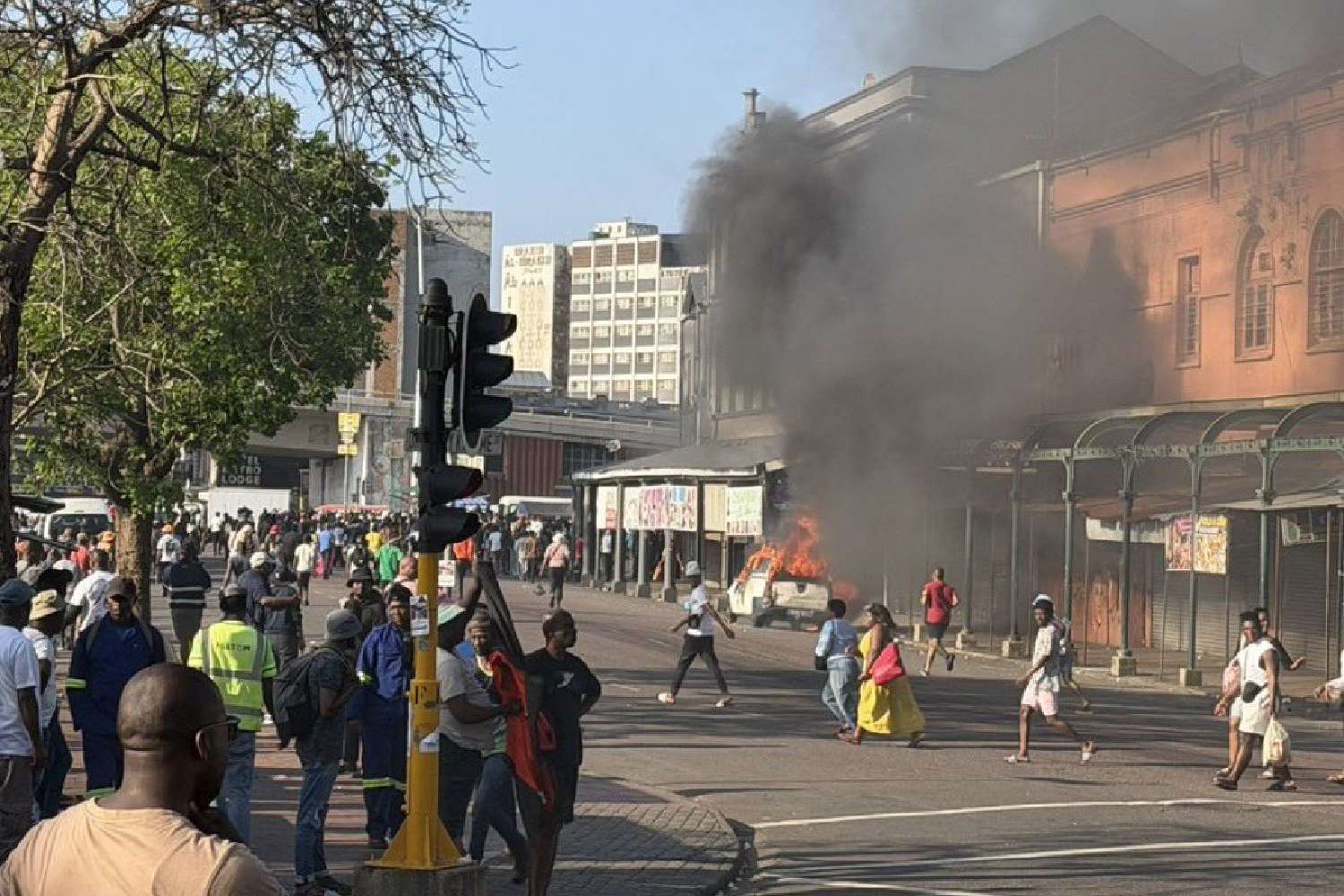


The Durban unrest erupted on Thursday, 8 October 2026, when anti-illegal immigration protesters torched vehicles and looted shops in the city centre after days of blockades at the Home Affairs refugee reception centre.
According to IOL, police counted 24 vehicles torched in Durban and Soweto on Thursday, 8 October 2026, 14 of them in Durban.
Three foreign nationals were arrested in KwaZulu-Natal. Police said a protester was assaulted by a foreign national before the crowd turned violent.
What is behind the Durban unrest?
In July 2026, the Constitutional Court ruled that asylum seekers cannot be shut out of the asylum system solely for procedural reasons, such as entering the country illegally. Home Affairs then told refugee reception offices to accept in-person applications, ending a six-year closure to new applicants, and long queues formed at the Durban centre on Che Guevara Road.
Protesters, mostly from the March and March movement, blocked the entrance and dispersed the queues.
On Wednesday, 7 October 2026, they forced about 1 000 asylum seekers out of the line, and police fired stun grenades to disperse the crowd. The movement has said it did not organise Thursday’s march.
The tension builds on months of anti-immigration mobilisation in 2026, including the Mossel Bay xenophobic violence that left three people dead and the nationwide anti-migrant protests on Tuesday, 30 June 2026.
Government later reported processing more than 53 000 foreign nationals for deportation or voluntary repatriation.
How the Durban unrest unfolded on Thursday
A crowd marched from the centre to a nearby scrapyard reportedly owned by an immigrant and set it alight, after which the centre suspended operations. The group then moved into the city centre, where vehicles were burned along Dr Pixley KaSeme Street, shops were looted and police cordoned off nearby streets.
A person was reportedly shot near Dr Pixley KaSeme Street at 16:00, and police said they were not yet aware of that incident. Claims that a South African man was shot dead by foreign nationals have not been confirmed.
Colonel Robert Netshiunda, the provincial police spokesperson, said officers were overstretched:
“Unplanned marches create a situation like this where police were policing one march.”
What police and government said about the Durban unrest
Acting national police commissioner Lieutenant General Puleng Dimpane vowed to pursue those responsible after addressing the public in Soweto on Thursday evening. Crime Intelligence was told to work overnight to identify those responsible, and public order policing was reinforced in the affected areas. Dimpane said:
“The right to raise concerns and to protest does not give anyone the right to commit crime.”
Government spokesperson William Baloyi blamed deliberately false information about the July ruling, which he said does not automatically grant refugee status or residence to undocumented migrants.
Nkosikhona Ndabandaba, known as Phakel’umthakathi, who led one of the marching groups, apologised for the violence:
“I apologise sincerely, and I am correcting this.”
What happens next after the Durban unrest
March and March held a vigil outside the Home Affairs office, and activist Wandile Nsibande said the group would not let the office open to process asylum applications on Friday, 9 October 2026.
Home Affairs has not said when the centre will reopen.
Sources
- IOL, Police unleash crackdown after 24 vehicles torched in Durban and Soweto protests
- GroundUp, Violence and mayhem in Durban anti-immigrant march
- Sowetan, Acting police commissioner vows to hunt down those behind Soweto, Durban vehicle torchings
- Reuters via ThePrint, South Africa blames disinformation as anti-migrant protests turn violent
- Mail & Guardian, Situation turns volatile in Durban as anti-illegal immigration protesters torch several vehicles
- IOL, US issues security alert in Durban after violence at Home Affairs
- Briefly News, Phakel'umthakathi calls for calm after Durban unrest
- Briefly News, Durban Refugee Reception Centre closes after protesters torch foreign-owned scrapyard
- Swisher Post, Mossel Bay xenophobia leaves three dead, hundreds homeless
- Swisher Post, March and March confirms national shutdown for 30 June
- Swisher Post, South Africa migration crackdown removes 53 000 foreigners