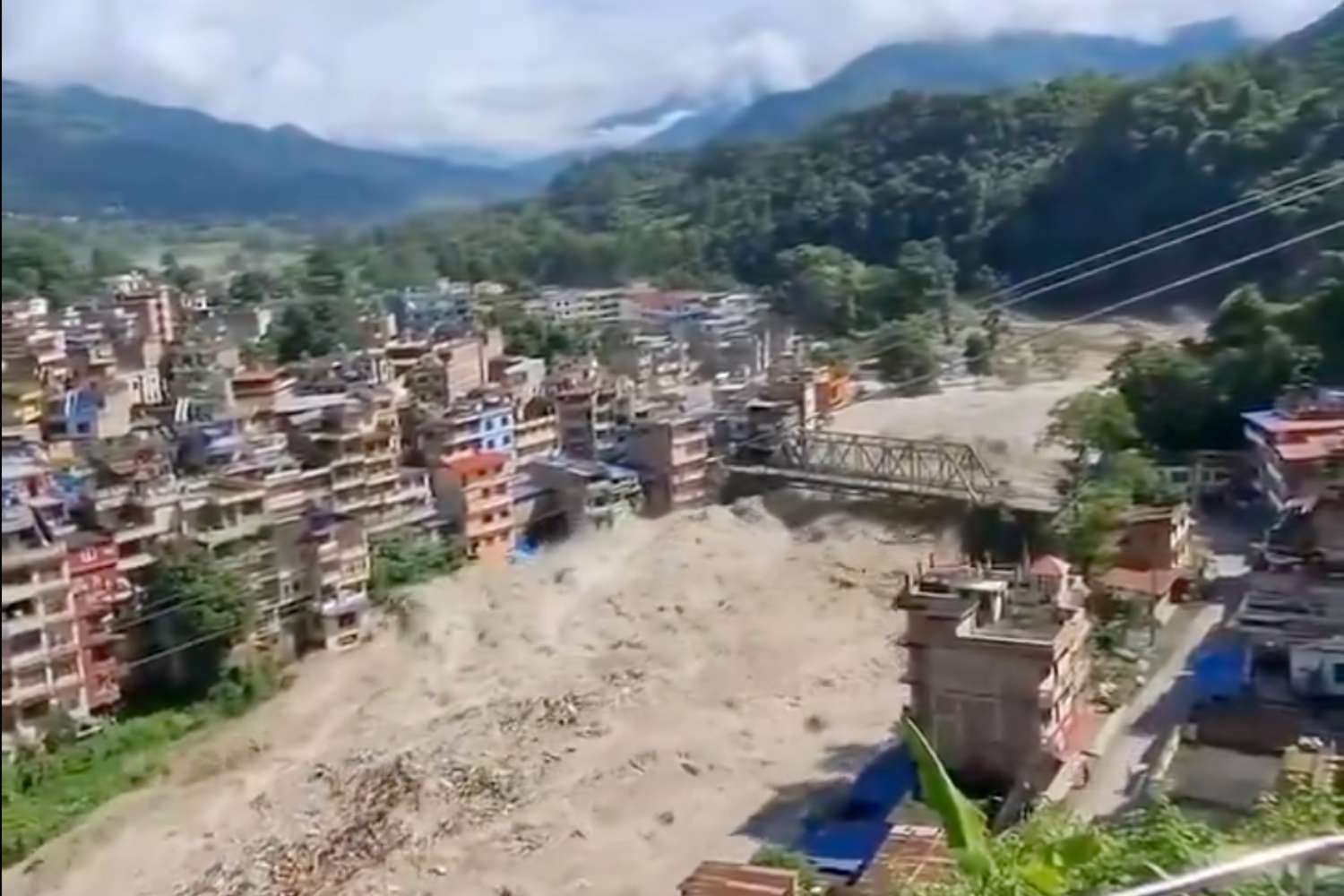


A Nepal flash flood killed at least 18 people on Wednesday, 26 August 2026, and left more than 380 listed as missing across the country’s northern border districts, including four South African nationals.
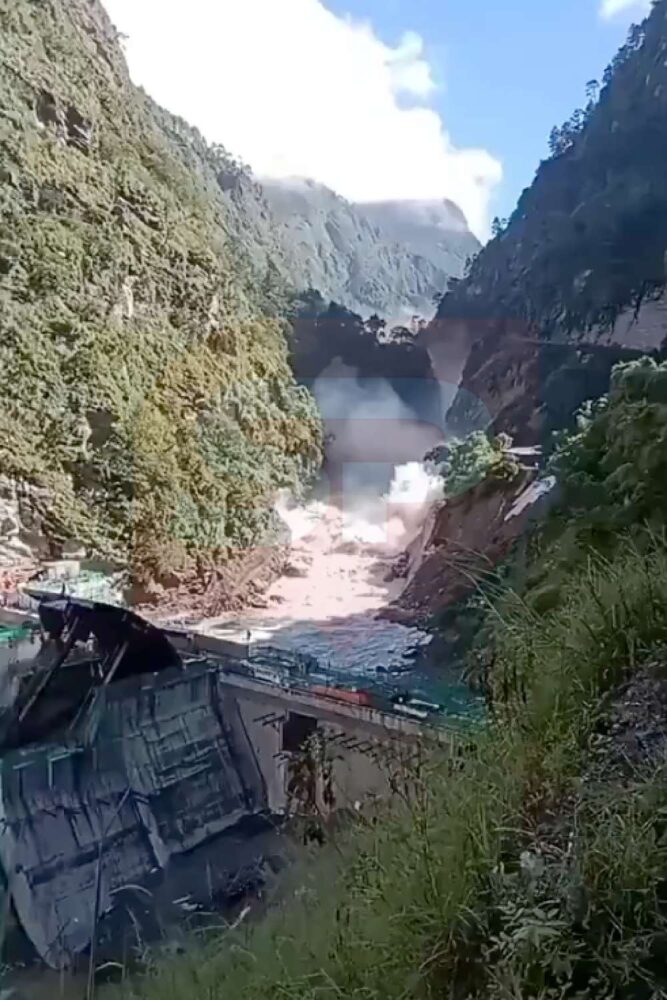
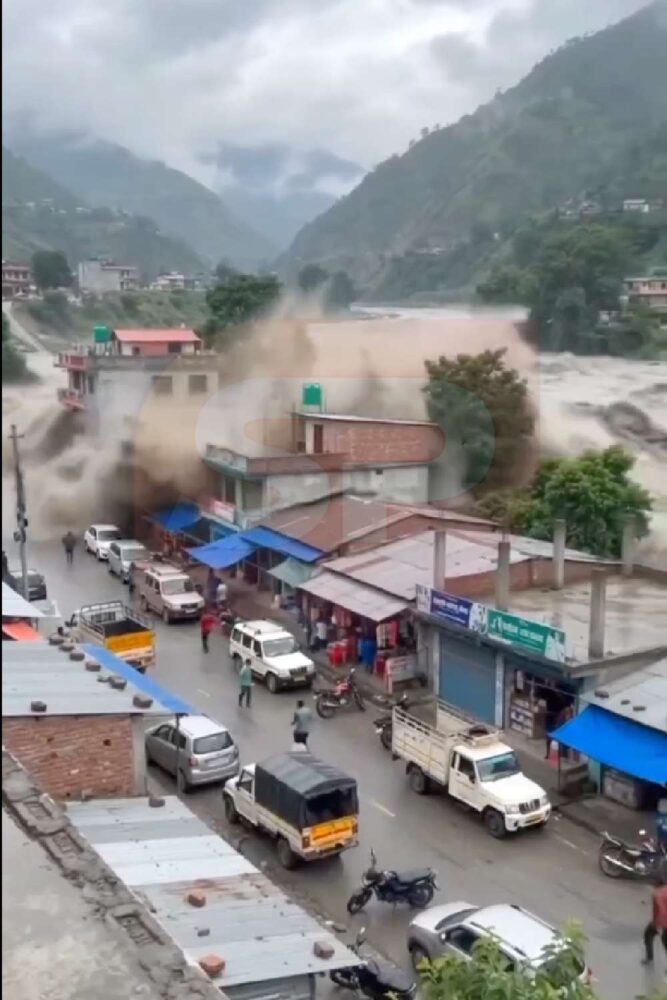
The surge tore through valleys along the Nepal-China border, destroying villages, houses, roads, bridges and power plants, as reported by CBS News.
Nepal’s Tourism Board, citing tour companies, listed 291 foreign nationals among the missing, most of them on organised tours.
The breakdown of the 291 put 142 Indian nationals on the list, alongside 17 Malaysian, 12 British, eight South Korean, four South African, three American, one Australian and one Dutch national.
The nationalities of the remaining people on the list had not been ascertained.
What caused the Nepal flash flood
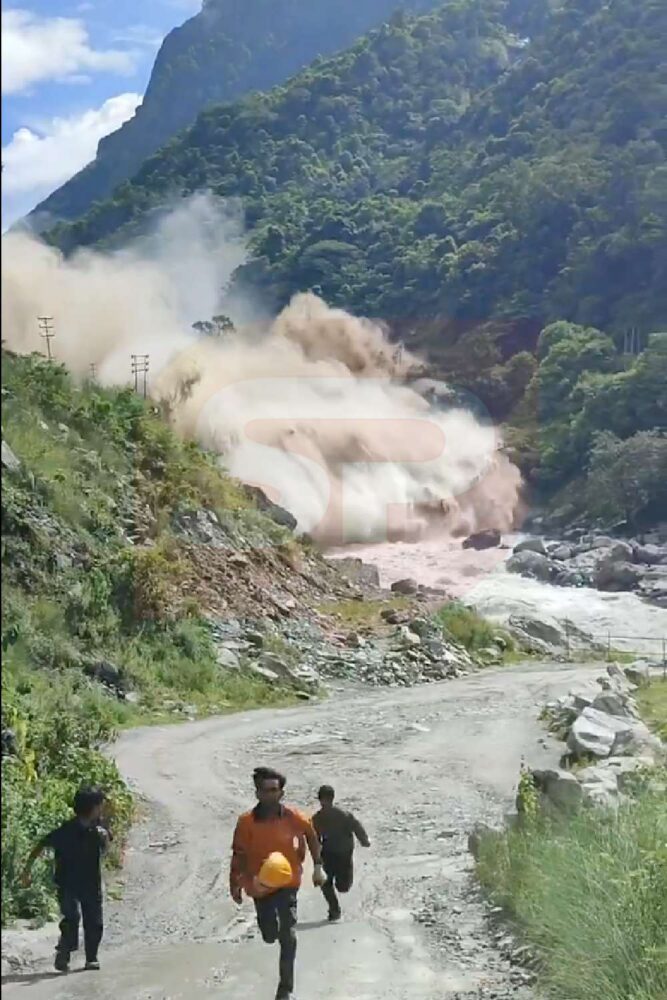
Nepal’s Foreign Minister Shishir Khanal said the flash flood was caused by an earthquake that triggered a large landslide, which blocked the Bhote Koshi River.
Debris dams of that kind held water back until the barrier gave way, releasing it downstream at once.
The water came down the Bhote Koshi on Wednesday morning in Rasuwa district, north of Kathmandu, and quickly reached neighbouring Nuwakot and Dhading.
President Ramachandra Paudel said he was “extremely saddened” by the “loss of lives and property caused by the sudden flood”.
Nepal flash flood damage still being assessed
Nepal Police spokesman Abi Narayan Kafle said the full extent of the destruction had not yet been established, with roads and bridges swept away and rescue teams still trying to reach settlements along the river.
Kafle said:
“We do not exactly know the extent of damage, but the flood is big, and it could have damaged many settlements.”
Police resources were directed into evacuation work along the river as the water rose, with residents living in the immediate flood path moved to safer ground and officers deployed across the districts. Kafle set out what the force had done:
“We have alerted people who are staying near the riverside to relocate … and deployed all our resources.”
District administrator Narendra Pariyar urged people living along the banks of the Bhote Koshi River to move to higher ground, and warned that the number of people affected could climb as officials reached cut-off settlements.
Pariyar said:
“There could be heavy casualties or loss of property.”
Nepal flash flood rescue effort hampered by terrain
Nepal’s mountainous terrain slowed the response, and helicopters could not land in the affected areas of Syapru Besi and Timure.
The Nepal Electricity Authority confirmed that six of its major hydropower and transmission facilities had been damaged.
Prime Minister Balen Shah said in a social media post that the government had begun organising the relief operation alongside medical staff, volunteers and aid organisations, with search teams working through the affected districts. Shah wrote:
“Work has started to take necessary steps in coordination with the medical team, scouts, and Red Cross.”
Search and relief teams were working across the three affected districts, and the missing figure was expected to shift as crews reached cut-off settlements. Nepal had not released the nationalities of those confirmed dead, and India put its border states on high alert.