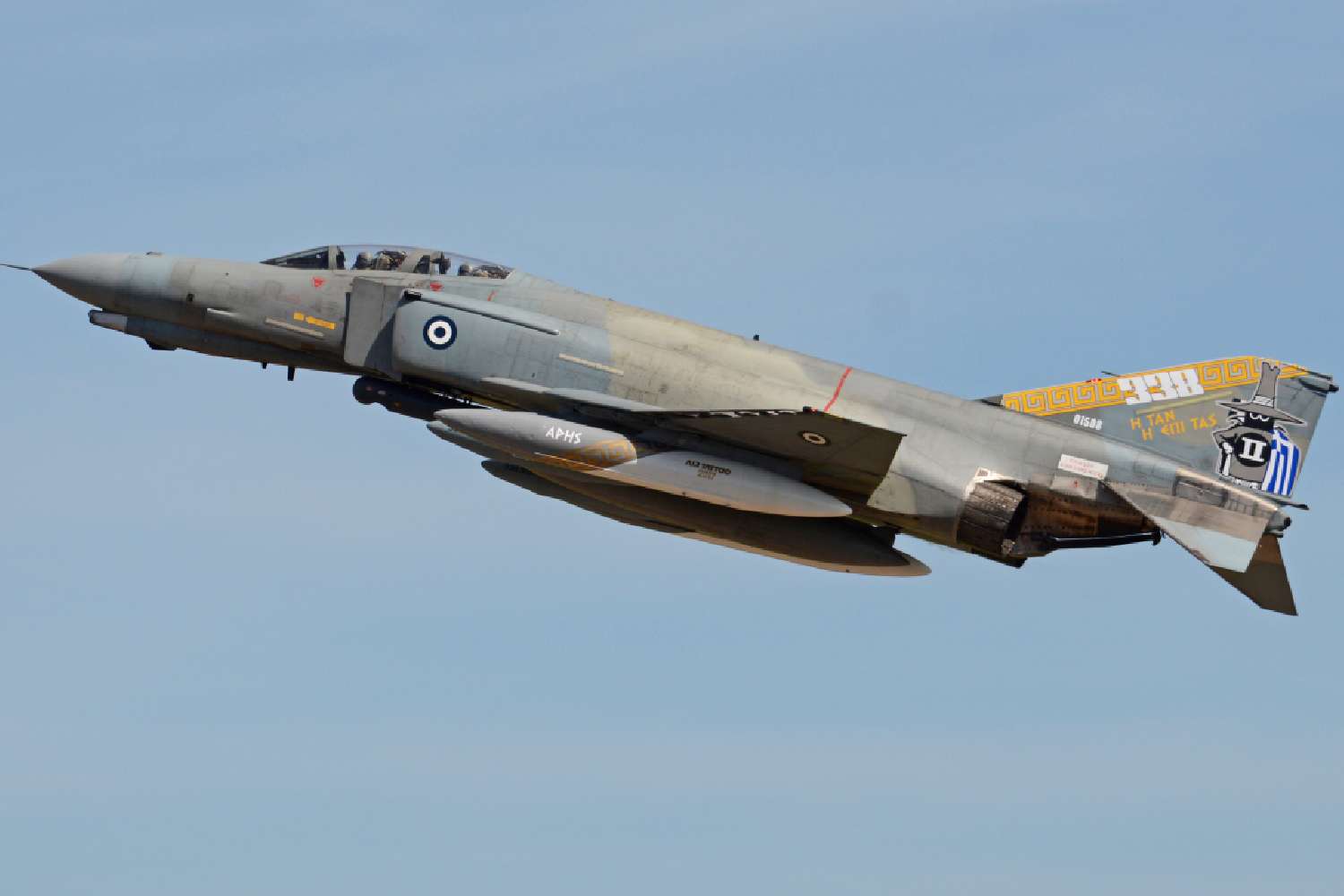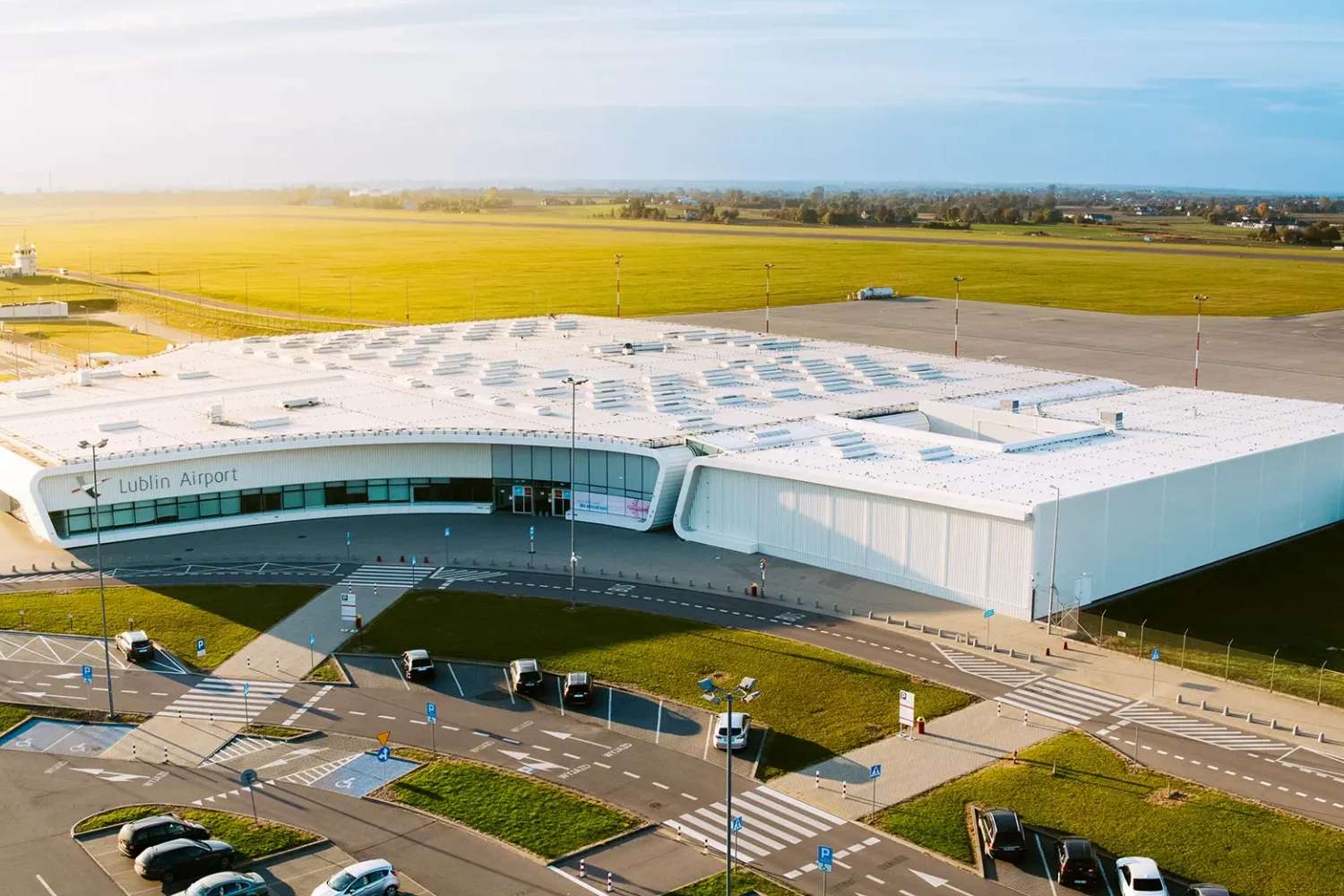

Poland shut airports at Lublin and Rzeszow and scrambled fighter jets on Wednesday, 16 September 2026, as Russia launched a barrage of drones against neighbouring Ukraine.
Flight operations at Lublin Airport and Rzeszow-Jasionka Airport were suspended while Polish military aircraft worked the area, as reported by the Telegraph.
Air raid sirens sounded in parts of eastern Poland, with both airports sitting within a short flight of the Ukrainian frontier.
Why Poland shut its airports over the drone threat
The closures were precautionary rather than a response to any confirmed incursion. Rzeszow-Jasionka sits close to the Ukrainian border and has served as the main logistics gateway for Western military aid heading east, which makes the airspace above it unusually busy whenever Russian drones fly west.
Three days earlier, on Sunday, 13 September 2026, Russian drones struck western Ukraine overnight, hitting a fuel station near the Yahodyn-Dorohusk border crossing and a Kyiv-Warsaw passenger train about 2km from Polish territory.
Four such incidents were recorded along the Poland-Ukraine border in the week to Wednesday, with several more on Ukraine’s border with Moldova.
What Donald Tusk said about the Russia drone threat
Prime Minister Donald Tusk set out his assessment on Thursday, 17 September 2026, warning that Moscow was preparing hybrid attacks using drones or rockets against European states that back Ukraine, Poland among them.
He said such strikes would probably be staged to look accidental.
“There is a real risk that drones or other types of projectiles will enter the territory of one or several countries on the eastern flank and even cause destruction.”
The purpose, as Tusk framed it, would be to test the collective resolve of the North Atlantic Treaty Organisation and paralyse its decision-making without triggering a formal response.
He presented the warning as a forecast of the months ahead rather than as intelligence on a specific plot.
“I want to present the public with the most likely scenario for the next few months, because it is one that envisages serious events and requires focus, seriousness and the mental readiness to face difficult tests.”
What happens next for Poland after the drone threat
President Karol Nawrocki called a security meeting for Friday, 18 September 2026, attended by National Defence Minister Wladyslaw Kosiniak-Kamysz and General Wieslaw Kukula, chief of the General Staff of the Polish Armed Forces.
The agenda was not published and no outcomes had been announced at the time of writing.
Whether that meeting shifts Poland’s posture is the immediate question, because four border incidents in a week have so far produced temporary airport closures and nothing heavier.
Fighter patrols and further suspensions at Lublin and Rzeszow remain likely while Russian drones keep striking western Ukraine.