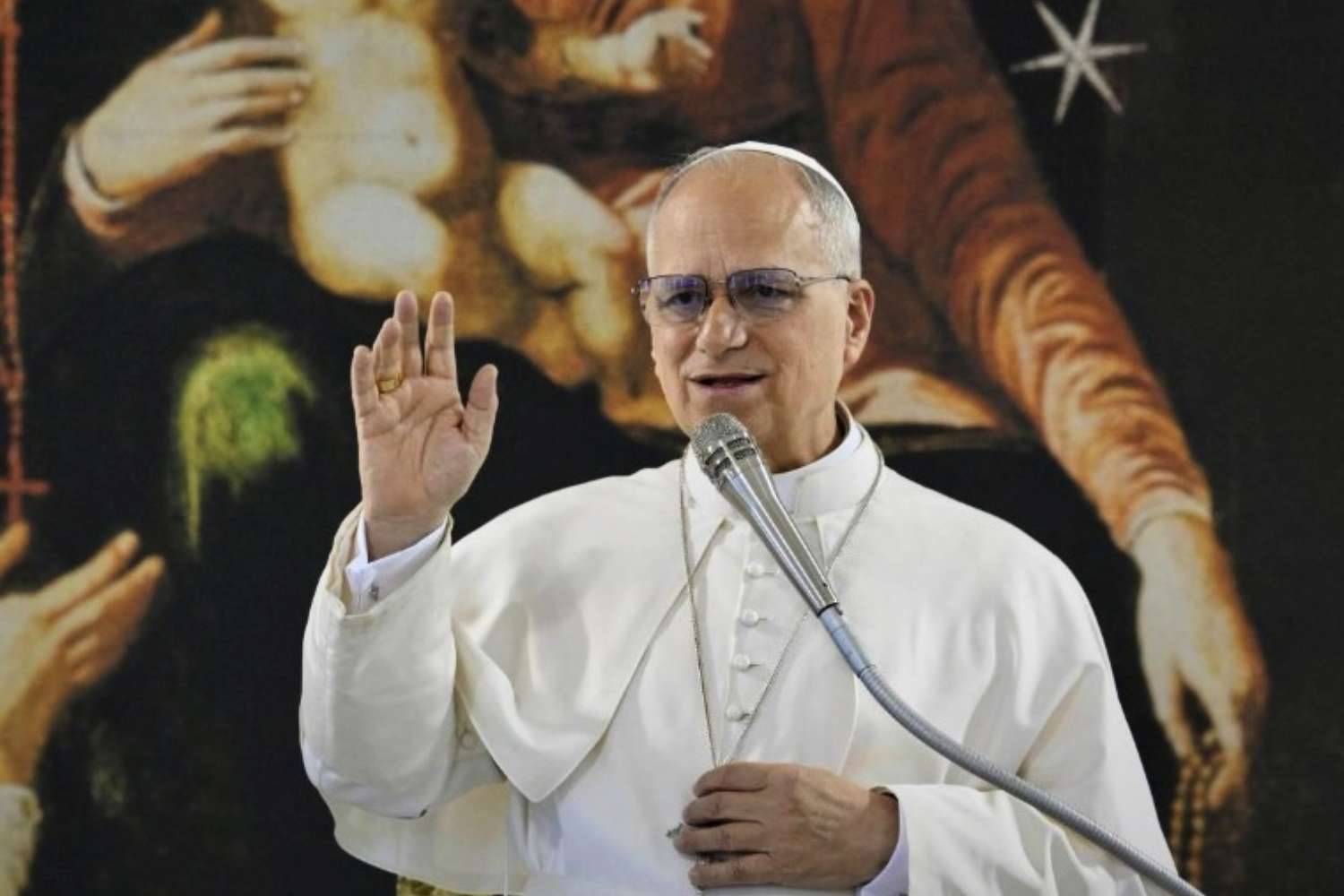


Pope Leo XIV has called for compassion toward migrants during a visit to Lampedusa on Saturday, 4 July 2026, using the Italian island’s role as a Mediterranean crossing point to press for stronger protection.
The visit fell on the United States Independence Day, and Leo, the first American pope, marked it with a direct appeal to his home country to receive immigrants with “compassion and generosity”, as reported by CNN.
He framed migration as a moral test for both Europe and the United States.
What Pope Leo said about migrants in Lampedusa
Leo told Americans that protecting human life meant “welcoming, protecting and assisting immigrants”, whose “hopes, sacrifices and contribution” had shaped the history of the United States.
The message tied his July Fourth remarks to the wider theme of his day on the island frontier.
During Mass on the island, the pope condemned the brutal treatment of migrants and the loss of life at sea, urging the world to respond concretely to the “enormity of suffering”.
He described migration as a “momentous challenge” that Europe still had the capacity to meet.
The remarks placed Leo squarely in a long tradition of papal advocacy for migrants, but with a personal edge. As the first pope born in the United States, his plea to Americans landed differently, coming from a figure who grew up inside the country he was addressing.
Why Lampedusa framed the pope’s message
Leo chose the setting deliberately. He began at the Door to Europe, a memorial to the thousands of migrants who have died or disappeared attempting the Mediterranean crossing, and prayed first at a cemetery where those lost at sea are buried.
His homily did not soften the language. Leo called the treatment of migrants and refugees at sea a moral failure demanding an immediate response, and insisted that planning and compassion could work together rather than pull against each other in policy.
The island has long sat at the sharpest edge of Europe’s migration debate, a first landfall for people crossing from North Africa.
By standing there on Independence Day, Leo linked the American story of immigration to the daily reality playing out on Italy’s southern shore, where arrivals continue year-round.
What happens next
The Lampedusa visit sets an early marker for how Leo intends to use his American background on contested global issues.
His words carry weight in a United States actively debating immigration policy, and attention now turns to whether he presses the theme further in the months ahead as his young papacy develops.