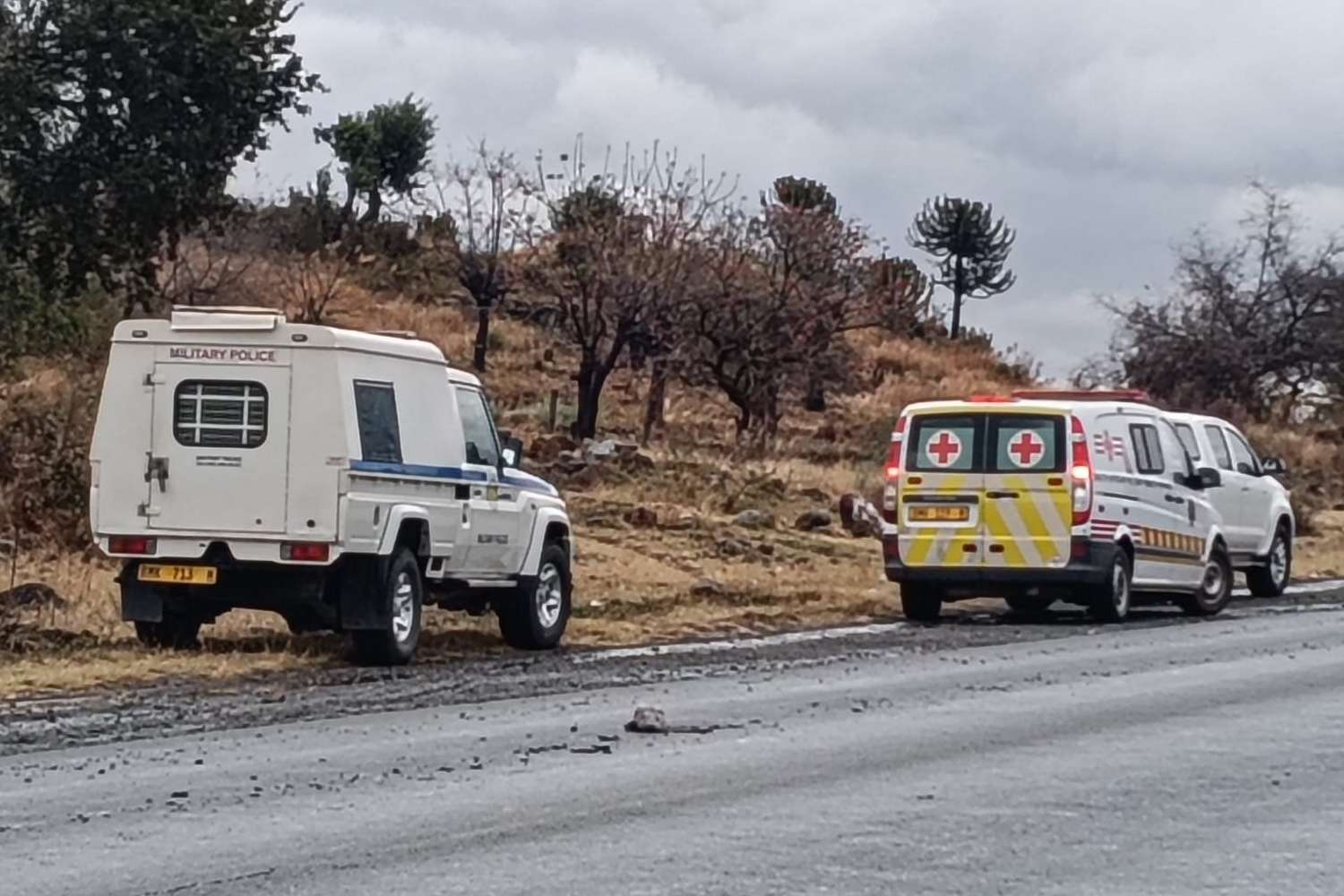


At least 14 suspected illegal miners, most of them Basotho nationals, died after a rockfall at a disused shaft near Rustenburg, reported to police at about 21:00 on Monday, 10 August 2026.
The collapse happened at Nkaneng, on premises linked to a Sibanye mine roughly 100km northwest of Johannesburg, as reported by News24.
Eight other illegal miners were injured and taken to hospital, and an unknown number may still be trapped underground in the disused shaft.
What is known about the Rustenburg illegal miners’ deaths
North West police remained on the scene on Tuesday, 11 August 2026, with the site still active.
The deaths are being investigated as an inquest rather than a criminal case, since no individual has been charged or accused in connection with the collapse itself. Nkaneng sits in a stretch of North West province dense with established platinum operations.
North West police spokesperson Colonel Adele Myburgh described the conditions inside such shafts:
“They enter old mine shafts that have been abandoned and are in a severely deteriorated condition, without proper infrastructure or safety measures.”
Why illegal miners enter abandoned shafts near Rustenburg
Disused shafts lose the structural reinforcement that active mining maintains, including supported tunnel walls and monitored ventilation.
Once a mine is decommissioned, timber and steel supports are typically left to decay, water can seep into old workings, and rock faces that were once stable become prone to sudden collapse without warning.
Illegal miners, often working in informal networks, re-enter these abandoned sections to extract ore missed by formal operations during the platinum belt’s decades of mining around Rustenburg.
Many of the men who work underground in incidents of this kind travel from Lesotho, where the Basotho nationals killed in Monday’s collapse are believed to have originated.
Rescue and recovery efforts at abandoned shafts are typically slowed by the same conditions that make them dangerous to enter in the first place.
Tunnels are frequently unmapped, ventilation shafts have often been sealed, and rock faces weakened over years of neglect make it difficult for emergency teams to confirm how many miners remain underground.
Rustenburg’s platinum belt has accumulated numerous disused and partially sealed shafts over decades of formal mining, giving illegal operators multiple entry points across the district.
Incidents involving collapses or fatalities at such sites have recurred periodically across South Africa’s mining regions, typically prompting police operations targeting illegal mining networks afterwards.
What happens next after the Rustenburg mine shaft collapse
Police have not said how long recovery efforts at the Nkaneng shaft are expected to take, or how many miners remain unaccounted for underground.
The inquest process will need to establish the exact circumstances of the 14 deaths confirmed so far, while the scene stays active and North West police continue operations linked to the collapse.