

A UK salmonella outbreak was declared national on Friday, 21 August 2026, after the UK Health Security Agency tied more than 200 cases, mostly in England, and one death to imported eggs.
The Food Standards Agency (FSA) followed with a warning aimed squarely at people eating out, as reported by the BBC.
Anyone under five, pregnant, over 65 or living with certain health conditions was told to check that eggs served in restaurants, cafés and takeaways had been cooked right through.
What the UK salmonella outbreak warning means when eating out
The message was less about panic and more about temperature.
The advice singled out kitchens outside the home, where diners could not see how long an egg had been on the heat, and it landed hardest for the groups least able to shrug off a bout of food poisoning.
Ian Young, the FSA’s chief scientific adviser, said:
“If people are eating out or consuming eggs or egg-containing products from cafes and restaurants then for those people in particular who are young, elderly, pregnant or vulnerable, it’s important to make sure that any eggs or egg products that you consume in those settings have been very well cooked.”
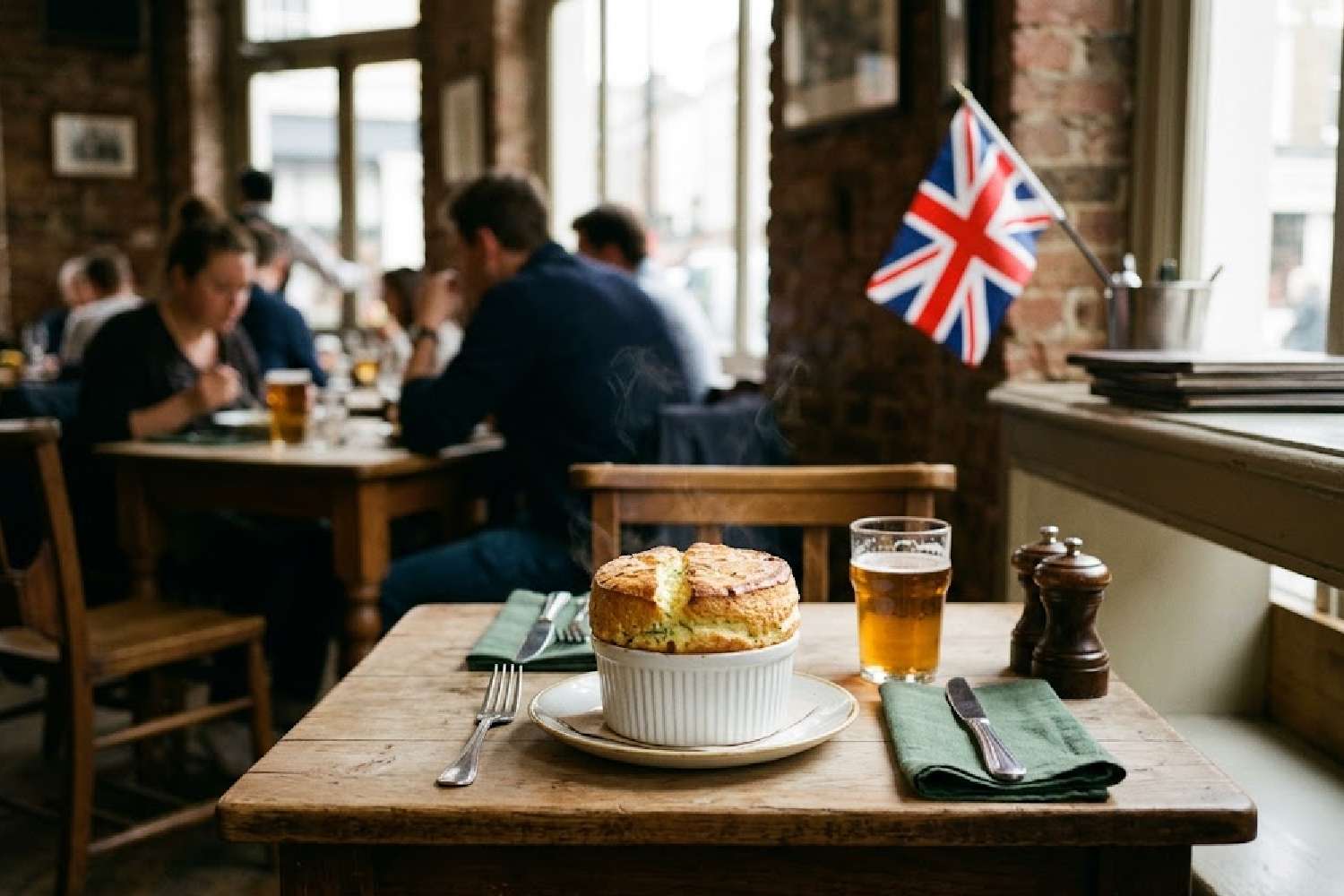
Vulnerable diners were also told to skip freshly made dishes carrying raw egg, including mayonnaise, hollandaise sauce and soufflé.
Well-cooked eggs served in restaurants, cafés and takeaways were considered fine, so the poached-egg brunch was not cancelled, only the wobbly yolk in the middle of it.
Why British supermarket eggs escaped the salmonella outbreak
Shoppers were not being asked to empty the fridge. British eggs sold in supermarkets were not connected to the cluster, because hens bred in Britain were vaccinated against common strains of salmonella, a programme rolled out decades ago after an egg scare shook the industry.
Young drew a clean line between the eggs going into the trolley at home and the ones now under investigation abroad.
Asked whether the current outbreak touched British supermarket stock at all, the FSA’s chief scientific adviser kept his answer short:
“There is no link to those eggs to this current outbreak.”
Symptoms and where the UK salmonella outbreak goes next
The symptoms ran to stomach cramps, diarrhoea, vomiting and fever, and most people recovered without further medical treatment.
Babies, older people and anyone with a weakened immune system faced the higher risk of becoming seriously unwell, which was why the warning was aimed at them first.
The bug spread through food that had not been cooked properly, through cross-contamination between raw and cooked ingredients, and through contact with infected animals.
That last route was why hand washing after handling raw egg mattered as much as the cooking time itself.
Genetic testing had already tied the infections into a single outbreak, with the pattern resembling earlier ones traced back to eggs brought in from abroad.
Investigators found that eateries linked to individual cases had been buying eggs overseas, which pushed the imported supply chain to the centre of the hunt for the source while the outbreak stayed open.