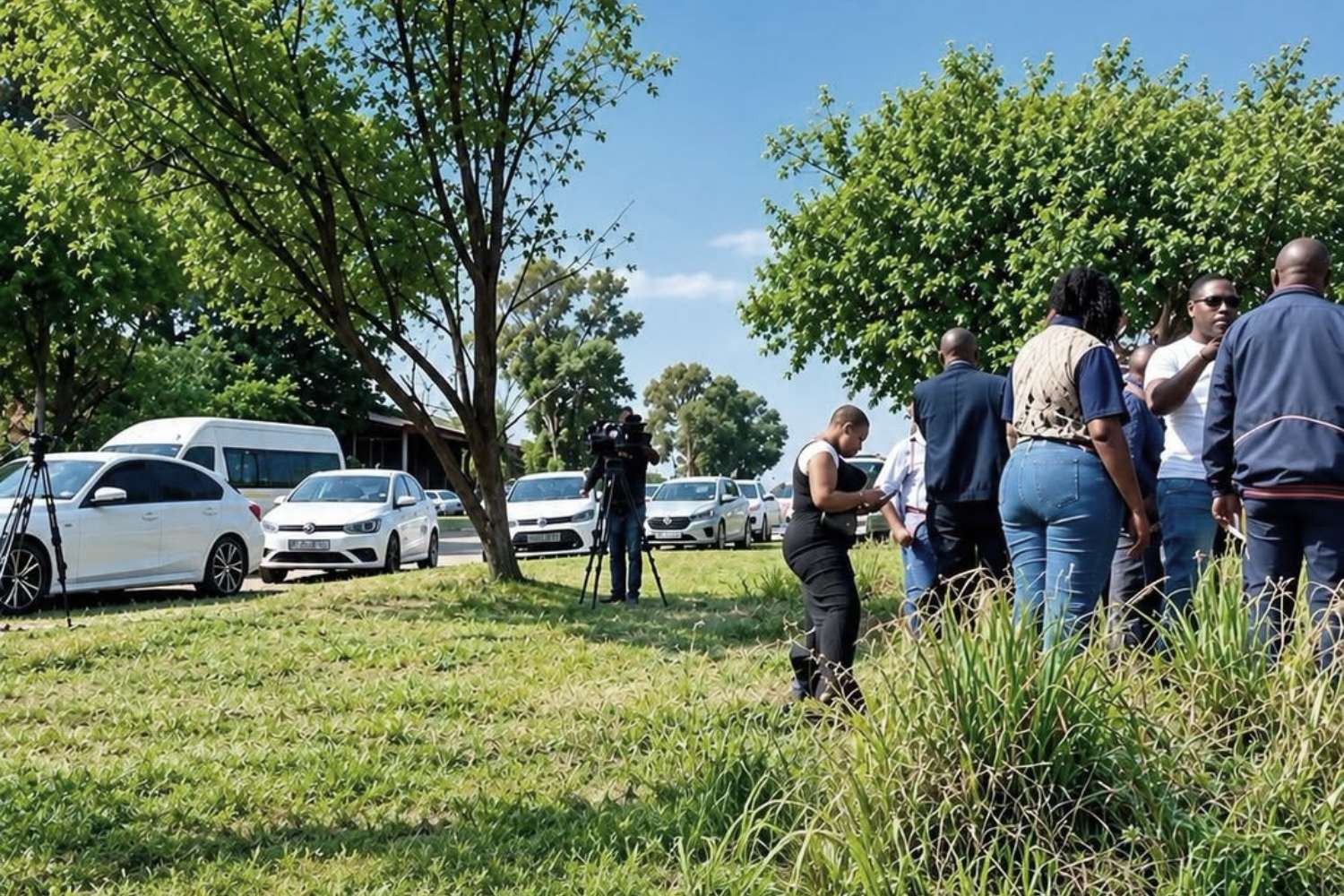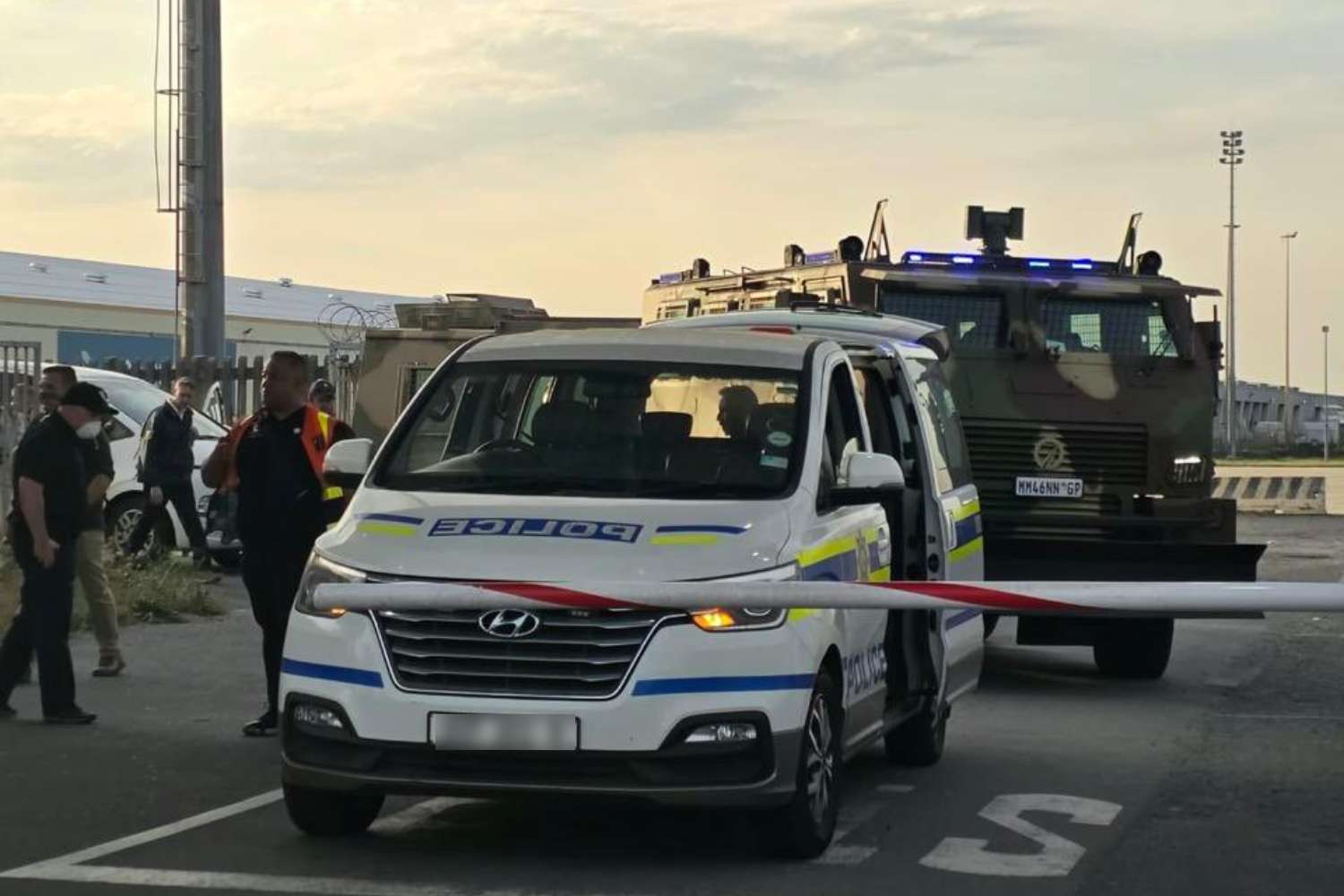

The Kempton Park killings have claimed a seventh victim, with police confirming another body was found in Ekurhuleni this week, prompting a nationwide safety warning for women and a dedicated task team investigation.
According to a police statement, the bodies of seven women have been discovered around Kempton Park and the surrounding Ekurhuleni area since July, with the most recent found this week in Kwa-Thema, reigniting fears that a serial killer may be responsible.
Timeline of a spreading investigation
The case began on 15 July, when the body of a 37 year old woman was found near the R21 highway showing signs of restraint. A second victim, 32, was discovered near the same road on 24 August.
A third, unidentified and badly decomposed, followed on 10 September.
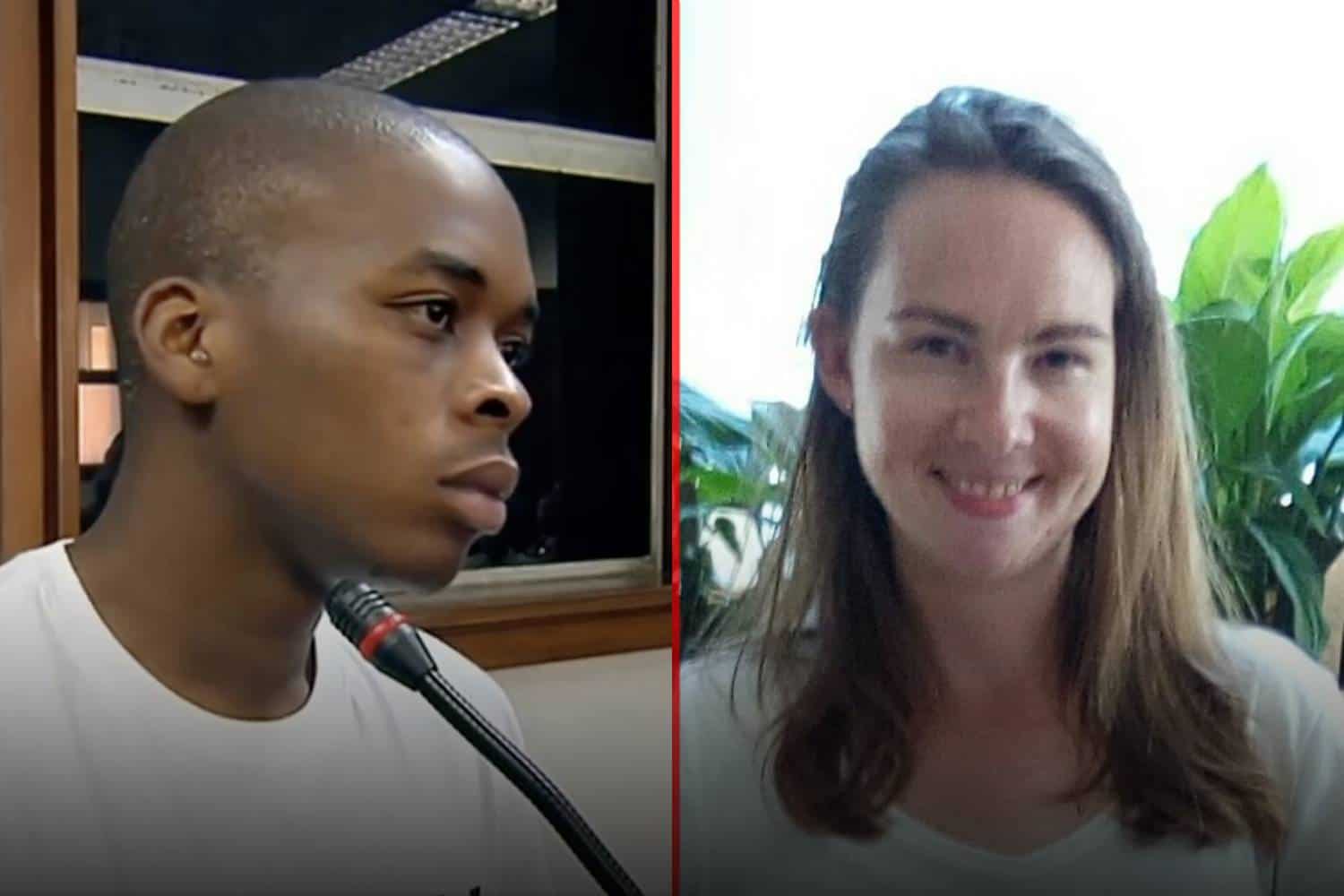
The fourth victim was identified as Elizabeth “Tsontso” Moselakgomo, 38, a member of the Team Vitality running community who disappeared during an afternoon run before her body was found in Rhodesfield on 12 September.
A fifth body surfaced in Olifantsfontein two days later, and a sixth in Kwa-Thema, roughly 45 kilometres from Kempton Park.
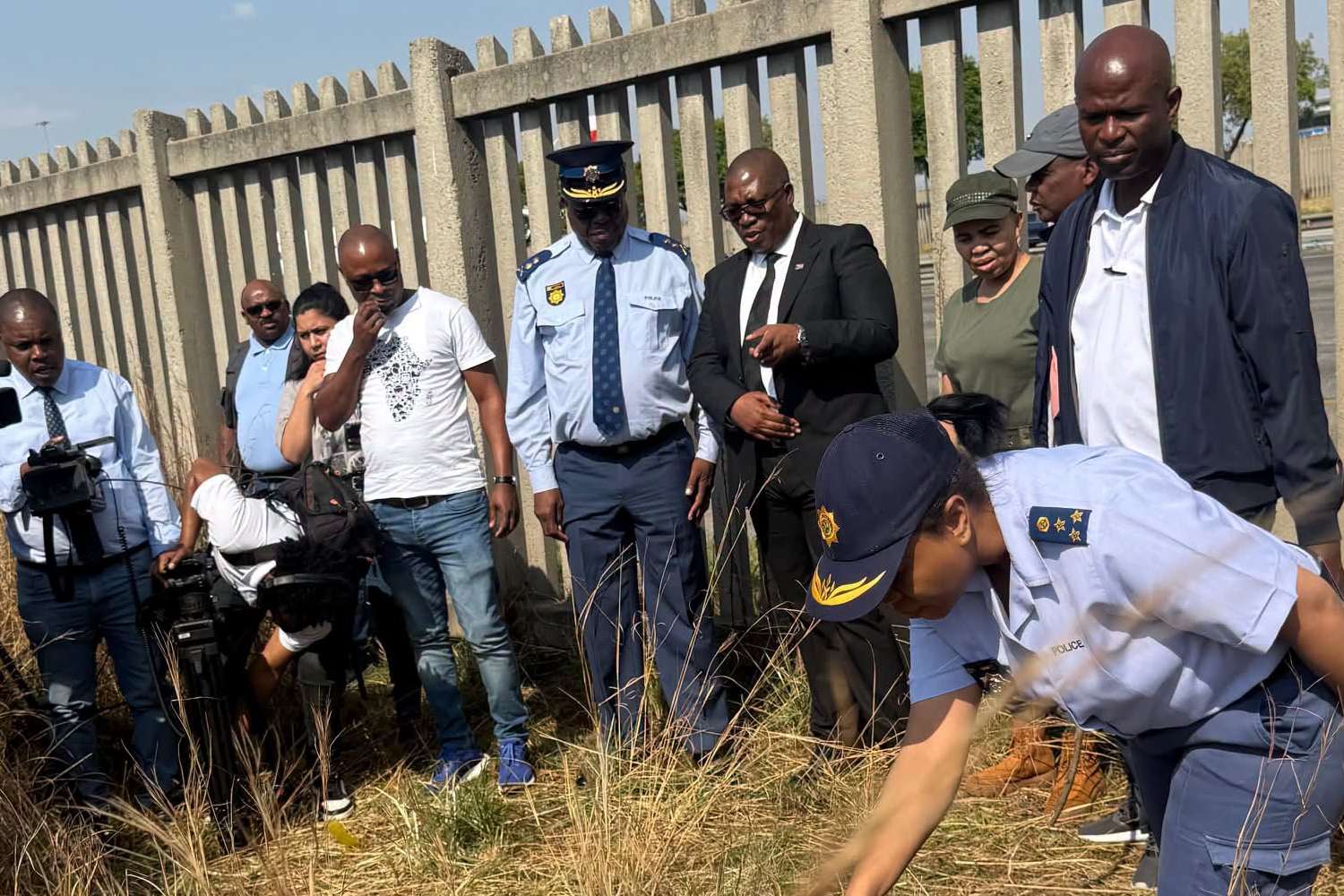
“We don’t have only six bodies, this one will include it as the seventh body so that we don’t leave anything.”
Major-General Fred Kekana, Acting Gauteng Police Commissioner
Is a serial killer behind the Kempton Park killings?
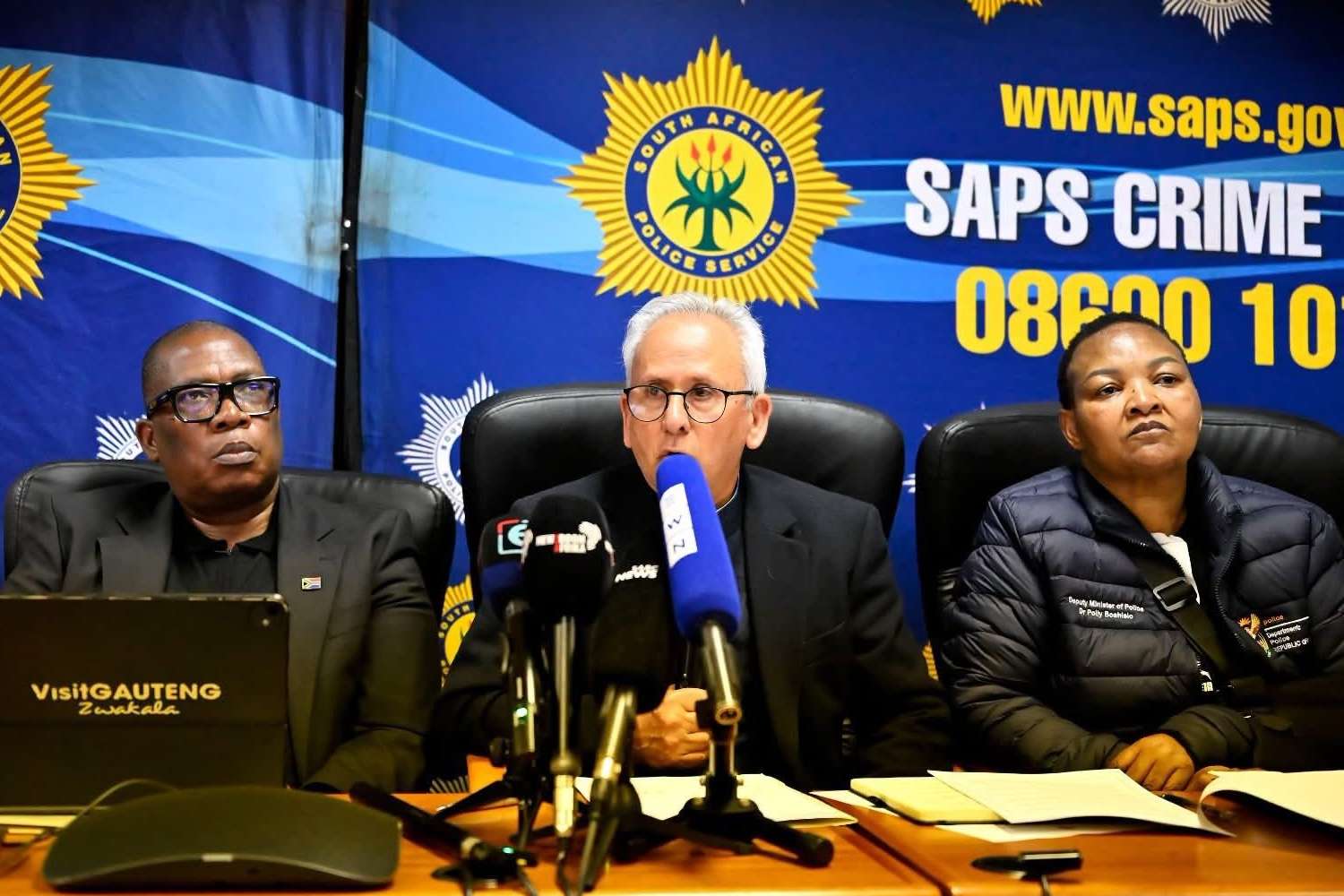
Deputy National Police Commissioner Lieutenant-General Tebello Mosikili briefed media this week on post-mortem findings across the cases, confirming a pattern investigators are treating as significant, though police stress that a single perpetrator has not been confirmed.
“They were all sexually molested, or at least the majority of them. The team can confirm they were sexually molested.”
Lieutenant-General Tebello Mosikili, Deputy National Police Commissioner
Forensic psychologist Dr Micki Pistorius said investigators would be examining whether the victims share a profile, whether the crime scenes are geographically linked, and whether a “signature” connects the killings, cautioning that establishing those links can take considerable time.
“It could be anybody. It really takes time to investigate such a case.”
Dr Micki Pistorius, forensic psychologist
Ramaphosa orders probe prioritised, nationwide alert issued
Police have gone further than a regional warning, with national spokesperson Athlenda Mathe confirming the concern now extends beyond Ekurhuleni. President Cyril Ramaphosa has also weighed in, directing that the cases receive priority attention from law enforcement.
“While investigations are still underway and SAPS has not, at this stage, confirmed that the deaths are linked to a serial killer, the similarities are sufficiently concerning for the police to issue a public warning and intensify investigations.”
Athlenda Mathe, SAPS national spokesperson
“I have directed that these cases be prioritised and that no stone be left unturned in bringing those responsible to justice.”
President Cyril Ramaphosa
Police have advised women to avoid jogging alone in affected areas, and the Commission for Gender Equality has called for urgent safety audits covering street lighting, visible policing and emergency access along popular running routes.
Women runners changing their routines nationwide
Moselakgomo’s death in particular has rattled South Africa’s running community.
Clubs from Johannesburg to Cape Town and Durban report members abandoning solo training in favour of group runs, well lit routes or indoor sessions, while some organisers are reconsidering outdoor events altogether.
A femicide crisis larger than one town
The Kempton Park killings land against a grim national backdrop. SAPS second quarter crime statistics for 2026 recorded 569 women murdered between April and June, alongside more than a thousand attempted murders of women, even as the overall murder rate fell.
Research from the South African Medical Research Council has found femicide more than halved between 1999 and 2020, though the decline has been uneven across provinces. Investigators say the Ekurhuleni task team remains active, with forensic and DNA results from the more recent bodies still outstanding.