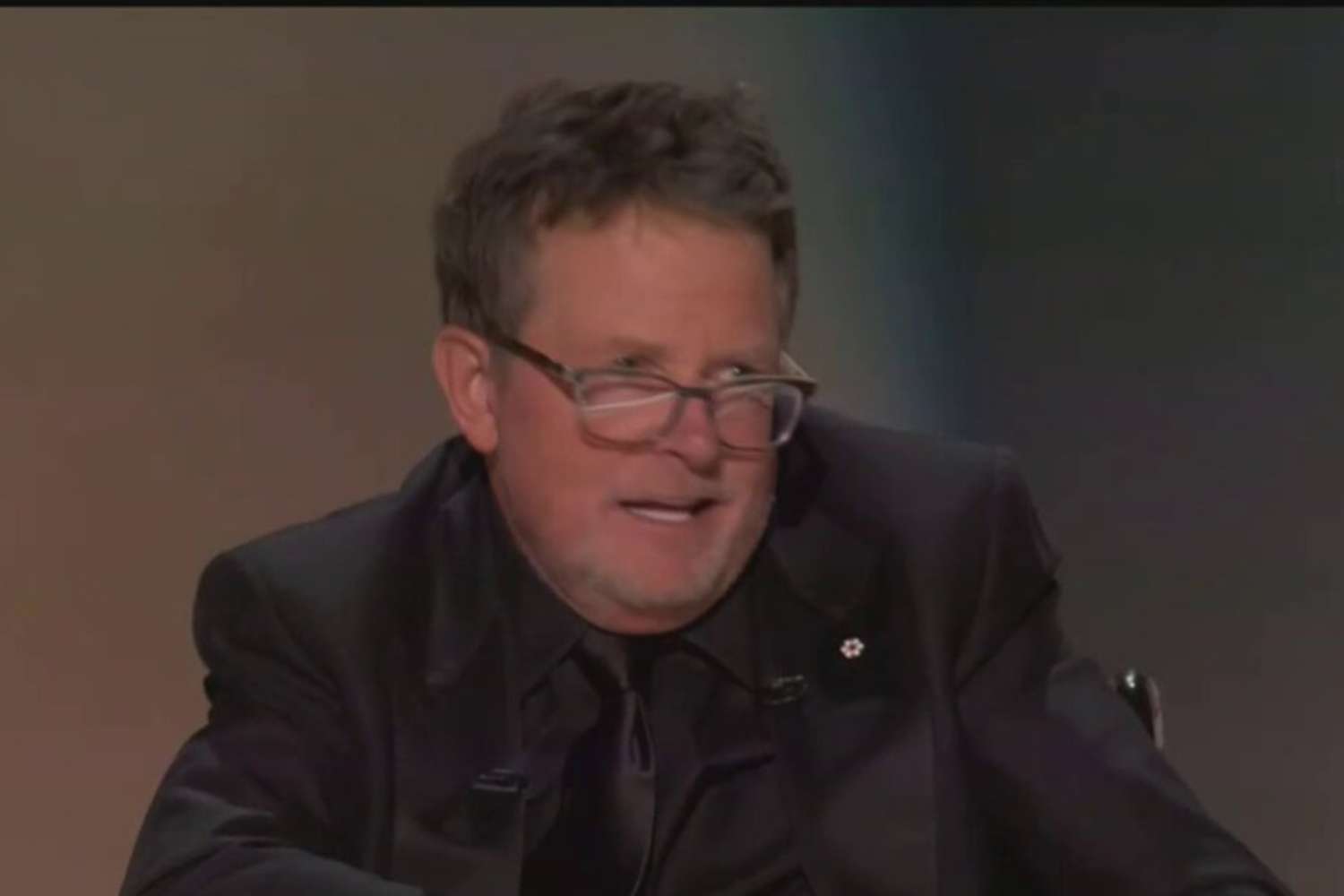

Michael J. Fox took the Emmys stage in a wheelchair to accept the Bob Hope Humanitarian Award on Monday, 14 September 2026, and Los Angeles rose to its feet.
The 2026 Emmy Awards handed Fox the night’s most emotional moment, as reported by TMZ, with the Television Academy recognising decades of Parkinson’s disease research funding and advocacy.
He has lived with the condition since the 1990s, and the room understood exactly what getting to that podium cost.
What Michael J. Fox said accepting the Bob Hope Humanitarian Award
Fox used his speech to explain why he kept his diagnosis quiet for years, fearing what the news would do to his work and his relationships before he went public and turned advocacy into a second career.
“Would they laugh if they knew I was sick?”
That fear kept him silent for a long stretch of his career. What finally changed the calculation, he told the room, was deciding that his diagnosis did not have to define the terms of his life.
“I understood that accepting Parkinson’s didn’t mean I had to surrender to it. It just meant I had to do everything I could for everyone living with this disease.”
The audience stood for him during the speech and again when he finished. Keeping it quiet was a survival decision in an industry that prices actors by availability, and the calculation of what a disclosure would do to casting was not paranoia; it was arithmetic.
Why the Bob Hope Humanitarian Award is rare air
The Television Academy created the honour in 2002 with the Bob & Dolores Hope Foundation, and it does not hand it out on a schedule. Fox is only the sixth person to receive it in 24 years, which puts him in a very short line of television figures.
Scarcity is the point. The award exists for people who use a television platform for something beyond television, and the Academy has kept the bar high enough that a recipient arrives roughly once every four years rather than annually, which is why the ovation ran as long as it did.
The wheelchair carried its own weight in the room. Fox has never hidden the physical toll of the disease, and choosing to appear on stage rather than send a filmed acceptance gave the ovation something to respond to beyond the achievement itself.
Where Michael J. Fox goes after the Emmys
Fox has not framed the award as a full stop. His research foundation has been the engine of his public life for more than two decades, and a platform the size of the Emmys tends to move donations and awareness in a way that no press release manages.
The next beat is what that platform buys. Research funding, trial recruitment and the slow business of drug development do not respond to standing ovations overnight, though a night like Sunday keeps Parkinson’s in a conversation that usually moves on fast.