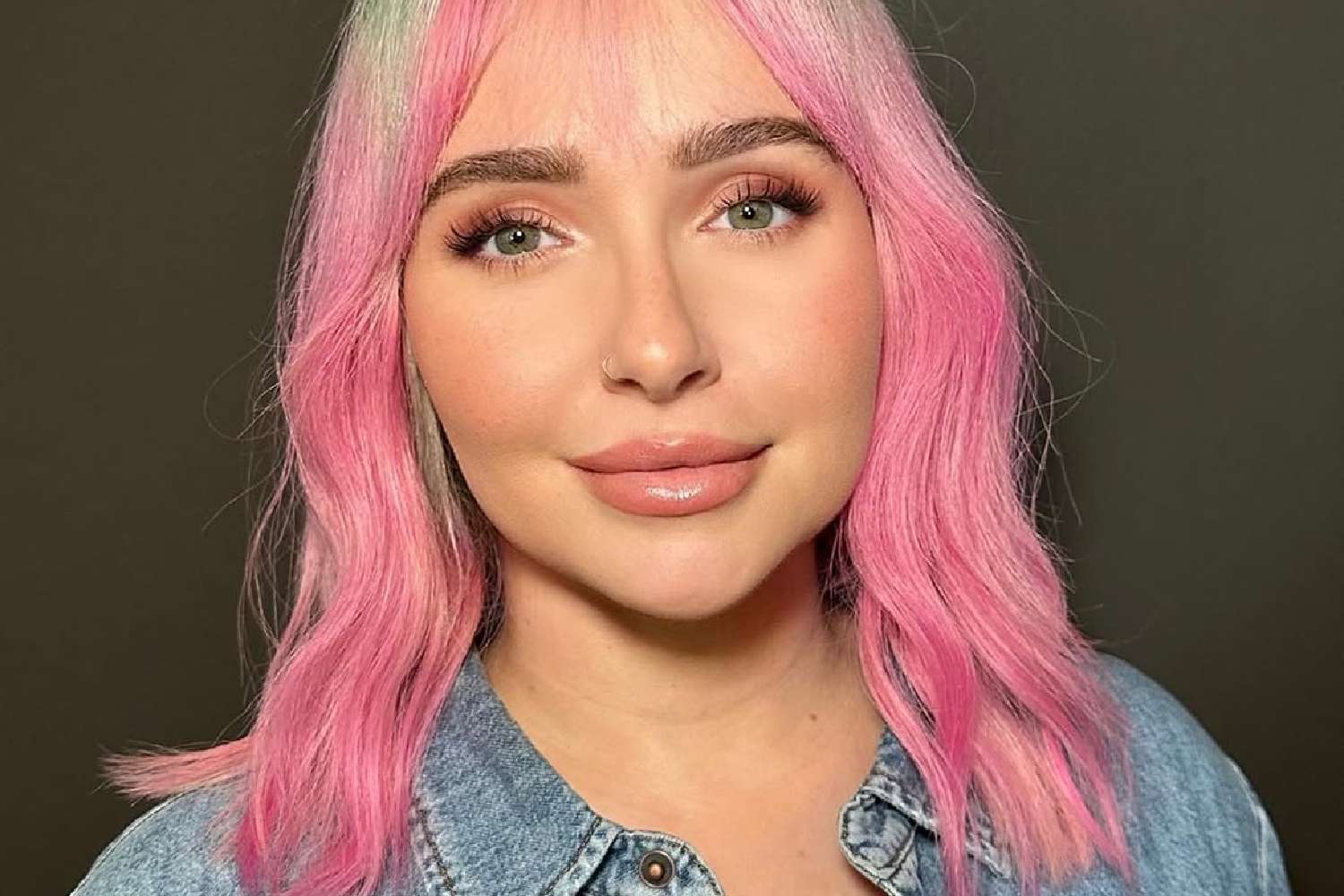


Neutrogena boycott calls have swept social media since Hayden Panettiere died on Sunday, 16 August 2026, with users pointing to the skincare brand’s treatment of the actress.
Panettiere, who was 36, fronted Neutrogena campaigns between 2005 and 2015, and her death has dragged that decade-long partnership back into the spotlight, as reported by Fortune.
Swisher Post reported on her death on Monday, 17 August 2026, after her family confirmed it.
Why the Neutrogena boycott gathered pace
Panettiere was one of the most recognisable faces in Neutrogena’s marketing for a decade, appearing in television spots and print campaigns from 2005 while she was starring on Heroes.
That long run is exactly why fans have taken the fallout personally, since her face sold the product to a generation of teenagers.
The anger traces back to Panettiere’s memoir This Is Me: A Reckoning and a May 2026 sit-down on Jay Shetty’s podcast On Purpose.
She said the morality clause in her Neutrogena contract “caught absolutely everything”, and that the brand moved to drop her after she disclosed a postpartum depression diagnosis in 2015.
What Panettiere said before the Neutrogena boycott began
Getting fired over a mental health disclosure was not something she saw coming.
Panettiere said it was “the last thing that I thought they would ever fire me for,” and the silence that followed from people she had worked alongside for years stung more than the contract fight. She recalled the moment on the podcast.
“I had worked with these people for 10 years and I remember not hearing a word from anybody. I remember that really breaking my heart.”
Her representatives pushed back hard, telling the brand that firing a client for disclosing a postpartum depression diagnosis was “illegal”.
Panettiere credited one representative with having “saved the day”, which kept her under contract at the time, though she added that she knew she was “not going to be invited back the next year”.
The morality clause detail landed differently once readers put it next to the rest of the memoir, in which Panettiere wrote about addiction, custody loss and being raised inside the industry from infancy.
Fans who bought the book in May 2026 had already been primed to see the brand as part of the problem.
Where the Neutrogena boycott leaves the brand
Social media users have since called for shoppers to ditch the brand entirely, and the backlash reportedly coincided with a temporary 2% dip in the share price of Neutrogena’s parent company.
That dip has since recovered, which tells you plenty about how quickly a viral pile-on moves compared with an actual balance sheet.
Neutrogena has not publicly responded to the renewed criticism, and its position on the 2015 dispute could not be verified at the time of publishing.
Whether the brand says anything at all will likely decide how long the Neutrogena boycott holds attention, because outrage cycles rarely outlive the silence they are aimed at.