

Russell Brand is facing additional criminal charges in Britain after prosecutors authorised two more sex offence counts, widening an already high-profile case built on allegations stretching back more than two decades.
The Crown Prosecution Service (CPS) has confirmed that Brand will be charged with one further count of rape and one count of sexual assault relating to alleged incidents involving two women in 2009.
He is due to appear at Westminster Magistrates’ Court in London on 20 January 2026 for an initial hearing on these new counts.
With the latest decision, Brand now faces seven criminal counts in the UK: three alleged rapes, one count of indecent assault, one count of oral rape and two counts of sexual assault.
All of the charges relate to complaints from women who say he attacked them between 1999 and 2009. He denies any criminal wrongdoing.
Earlier charges and court dates
The new charges come on top of a first set laid in April 2025, when the Metropolitan Police charged Brand with one count of rape, one count of indecent assault, one count of oral rape and two counts of sexual assault over alleged incidents in Westminster and Bournemouth between 1999 and 2005.
Those counts involved four women.
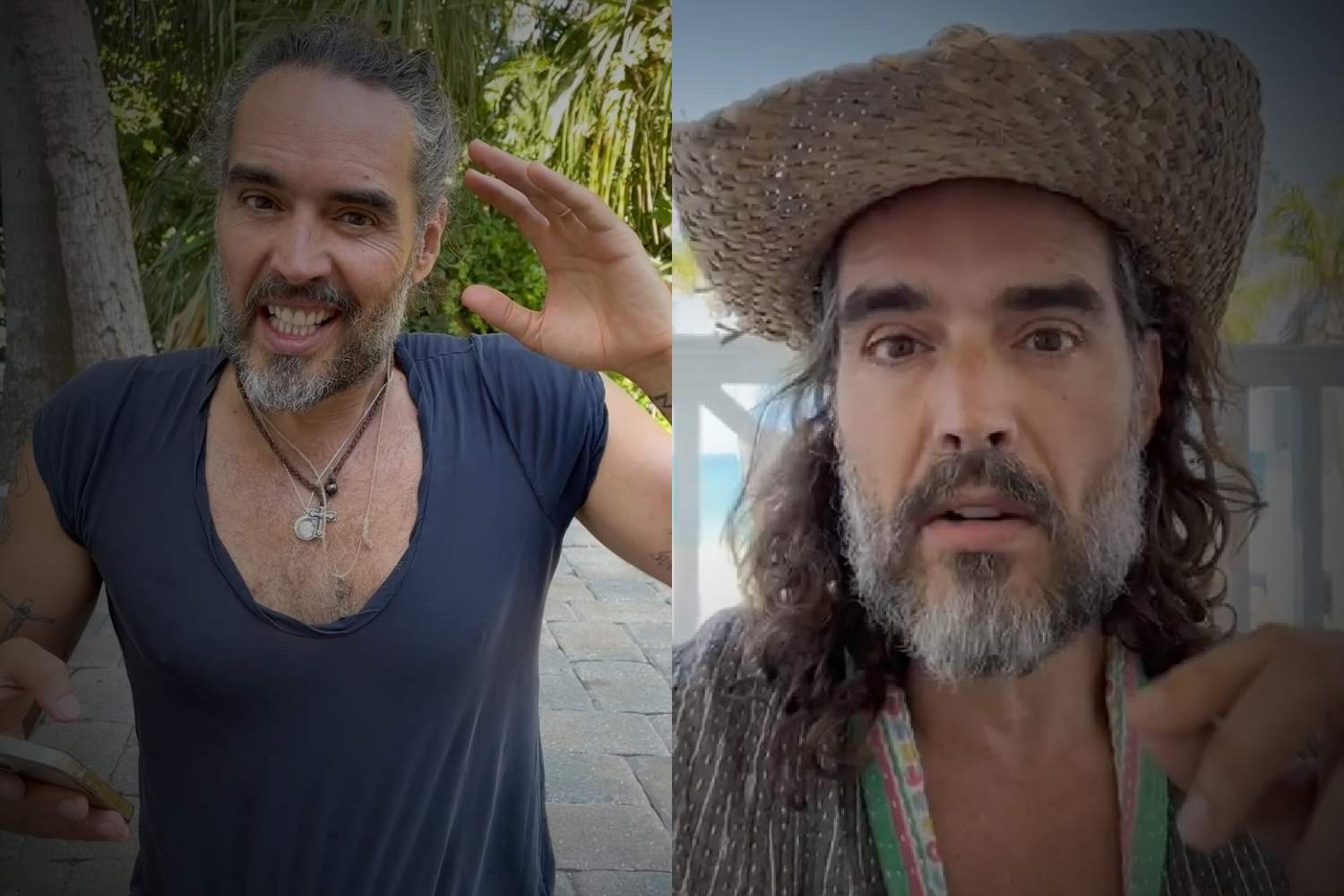
Brand posted a video at the time saying he was “incredibly grateful” to have the chance to defend himself in court and again insisted his relationships had “never” involved non-consensual activity.
On 2 May 2025 he appeared at Westminster Magistrates’ Court, where he confirmed his personal details and was granted bail.
The case was then sent to the Old Bailey. At a later hearing on 30 May he entered pleas of not guilty, and a trial date was set for 16 June 2026.
Investigations that led to the CPS file
Police activity around Brand intensified after a joint investigation by Channel 4’s Dispatches and The Sunday Times/The Times in 2023 reported allegations from several women claiming sexual assault and controlling or abusive behaviour between 2006 and 2013.
Brand publicly rejected the claims, saying his past relationships were “absolutely always consensual”.
Following a public appeal for information, the Metropolitan Police confirmed it had received an allegation of sexual assault dating back to 2003 and later said it was assessing a number of other reports.
Detectives sent an evidence file to the CPS in November 2024 for a charging decision on offences alleged to have taken place between 2006 and 2013.
Separate civil lawsuits in New York and London
Alongside the criminal investigation, Brand is also the subject of civil litigation. In the United States, a woman has sued him and Warner Bros. under New York’s Adult Survivors Act, alleging sexual assault during the filming of the 2011 comedy film Arthur.
In February 2025, a separate civil claim accusing him of sexual abuse was filed at the High Court in London.
Brand denies those allegations as well, saying he was sober at the time of the alleged US incident and rejecting any claim of assault.
Since the 2023 media investigation and subsequent police probe, Brand has seen a sharp fall-out in his professional life. His long-time agent Tavistock Wood dropped him, YouTube suspended monetisation on his channels, and charities and commercial partners distanced themselves, including a wildlife hospital that suspended him as an ambassador and a US meditation app that ended its relationship with him.
Despite this, Brand has continued to post videos online, often criticising what he calls “cancel culture” and framing the cases against him as part of a broader attempt to silence dissenting voices.
Brand remains on bail while his legal team prepares for trial on the original five charges at the Old Bailey in June 2026.
The two new counts authorised in December 2025 will first be handled at Westminster Magistrates’ Court before they can be joined to, or run alongside, the existing case.
Under UK law, Brand is presumed innocent unless and until he is proven guilty.
Reporting on the case is also constrained by rules designed to protect the identity of complainants and avoid prejudicing any future jury, meaning many details of the allegations will only fully emerge once the trial is under way.