

NSFAS Funza Lushaka payments of more than R222 million to six South African universities were confirmed on Sunday, 30 August 2026, covering allowances for 2 927 student teachers delayed for months.
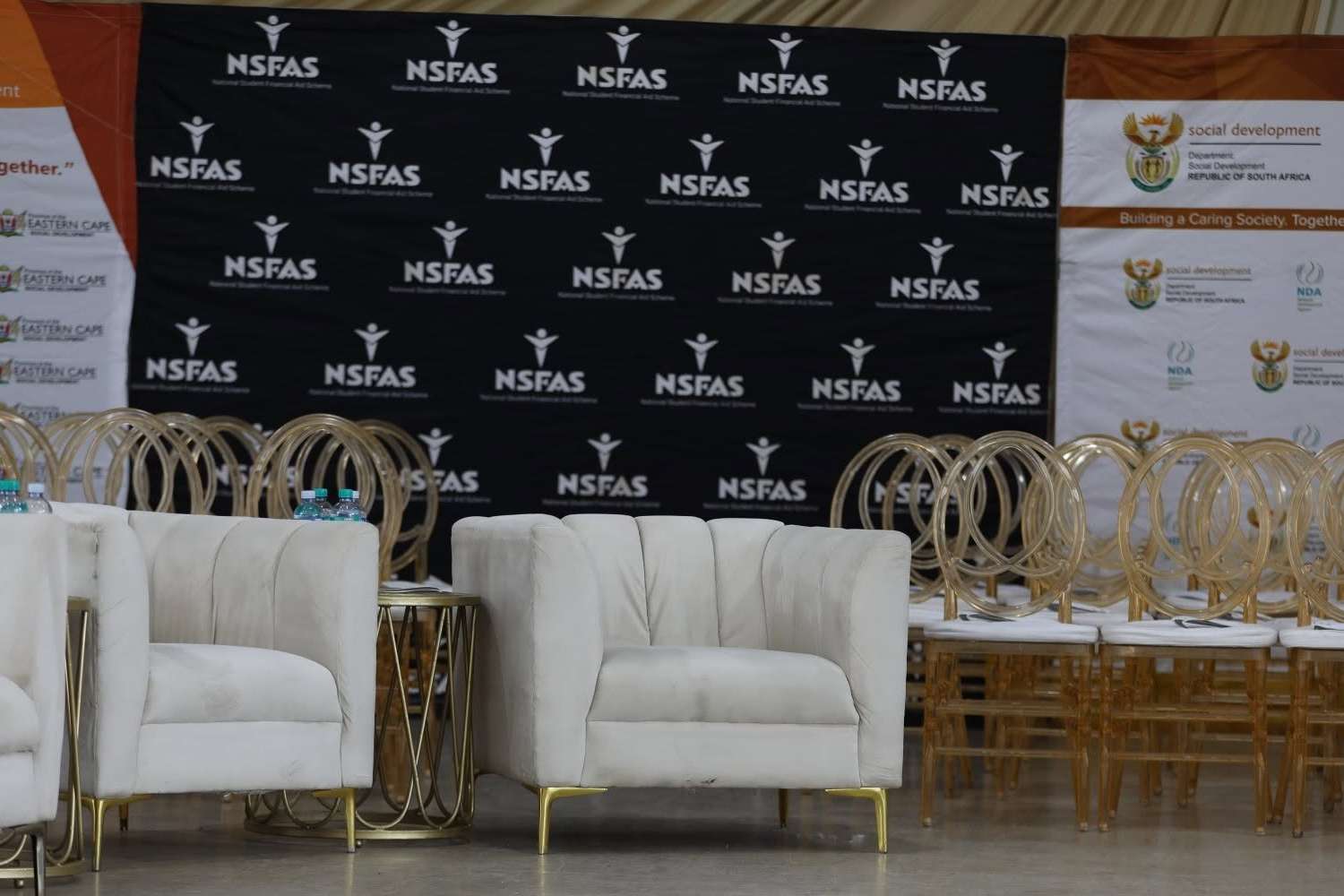
The National Student Financial Aid Scheme (NSFAS) confirmed the transfer during a meeting in Cape Town with deputy higher education minister Yusuf Cassim and the Funza Lushaka programme team, as reported by TimesLIVE.
The scheme acts as the disbursement agency for the bursary rather than paying beneficiaries itself.
Which universities received the NSFAS Funza Lushaka payments
The money went to the Central University of Technology, North West University, the University of Fort Hare, the University of Limpopo, the University of Pretoria and the University of South Africa.
NSFAS said the institutions were now responsible for processing the funds and paying allowances into student accounts.
Cassim’s intervention followed a stream of complaints from Funza Lushaka beneficiaries who approached his departmental helpdesk about allowances that had not been paid.
He urged NSFAS to obtain confirmation from each institution on when beneficiaries would actually receive their money.
Cassim set out what he expected of the universities:
“These payments must now reach students without delay so they can focus on their studies and not have to worry about outstanding allowances that have been pending for months.”
How the Funza Lushaka bursary and its payments work
Funza Lushaka is a multiyear bursary funded by the Department of Basic Education for students studying towards teaching qualifications. NSFAS does not pay students directly.
It verifies institutional claims and transfers money to universities, which then disburse tuition, accommodation, meal, learning material and living allowances.
For the 2026 academic year, 23 universities have been allocated R1.3 billion for the programme. The verification step is where the delay sits, with NSFAS saying claims take about four weeks to process because each one is checked before payment is released.
Why are Funza Lushaka payments still outstanding
The R222 million transfer did not clear the backlog. NSFAS told Cassim that a significant number of institutional claims remained outstanding, and that more than R500 million in Funza Lushaka funds remained unclaimed by participating institutions.
The payment problems follow deeper institutional strain at the aid scheme, which was placed under administration after governance and financial failures. That intervention put its systems under scrutiny, and the Funza Lushaka backlog has exposed the same weakness in how money moves from NSFAS to campuses.
Cassim directed NSFAS and the department’s university education branch to identify institutions that had not submitted claims and to follow up with them. Universities have until Sunday, 13 September 2026 to lodge outstanding claims if they want the money paid over in October.
What happens next for NSFAS Funza Lushaka claims
NSFAS has proposed a joint workshop with stakeholders in November to work through the claims and payment process.
The scheme expects that session to focus on cutting manual steps through automation, improving communication with students and aligning claim and payment timelines before the 2027 academic year begins.