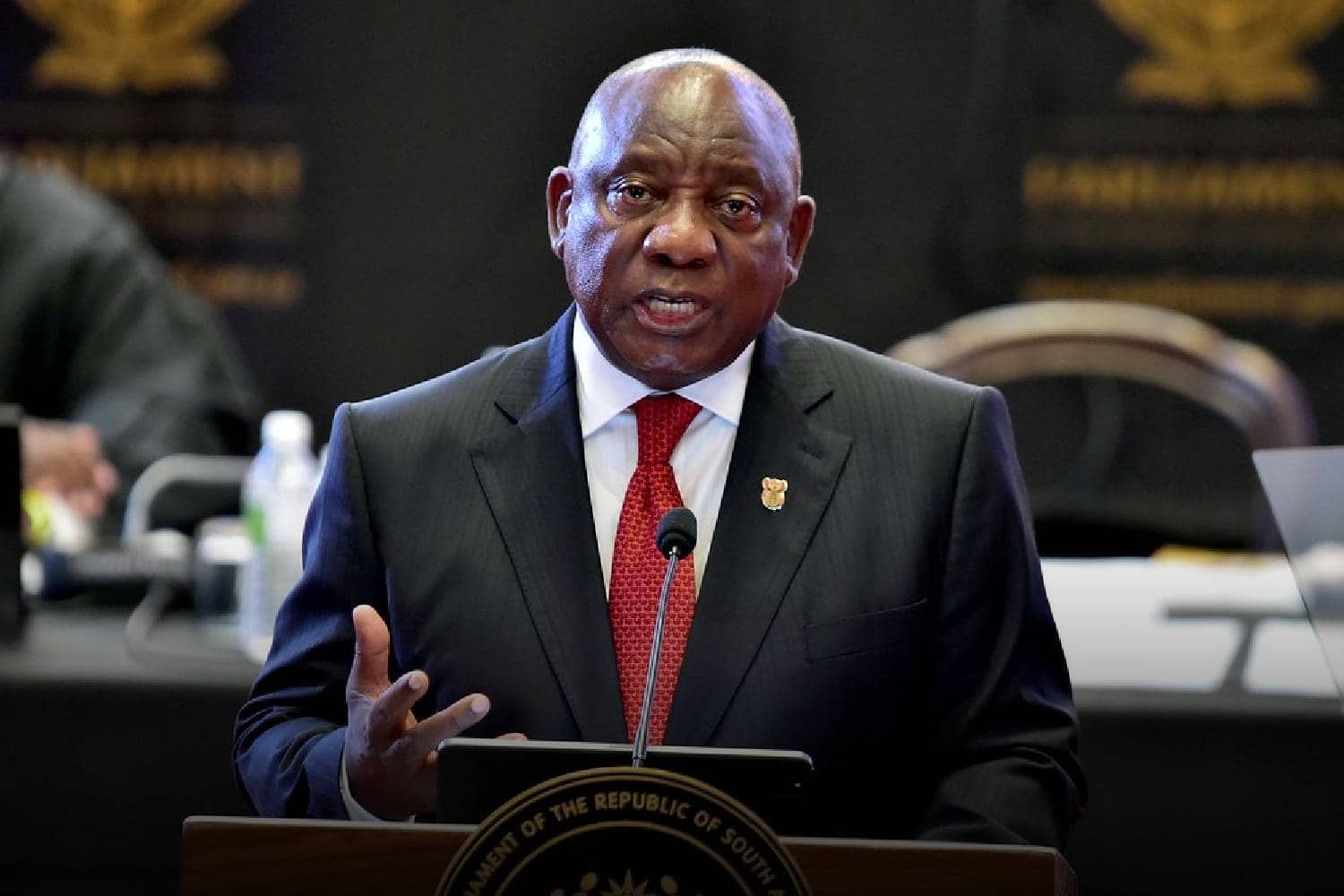


The Western Cape High Court set aside the Ramaphosa Section 89 panel report on the Phala Phala theft on Wednesday, 25 November 2026, and the President said he will study the judgment.
According to The Citizen, Judge President Nolwazi Mabindla-Boqwana announced that she and two other judges reached a single judgment setting the report aside in its entirety, after finding it fundamentally flawed. The court also declared unlawful and set aside any steps the National Assembly took on the strength of the report. Each party must pay its own costs.
What did the court decide on the Ramaphosa Section 89 panel report?
The panel, chaired by former chief justice Sandile Ngcobo, found in 2022 that there was preliminary evidence Cyril Ramaphosa may have seriously violated the Constitution over the February 2020 theft of foreign currency at his Phala Phala farm in Limpopo. In December 2022 the National Assembly voted against referring the report to an impeachment committee.
The matter became public in June 2022 after former State Security Agency head Arthur Fraser laid a criminal complaint alleging that a large sum of foreign currency had been stolen from the farm. Ramaphosa has denied any wrongdoing and has said the money came from the sale of buffalo. He first approached the Constitutional Court over the panel report in December 2022.
The court said the Constitutional Court’s May 2026 ruling dealt with the legality of Parliament’s December 2022 vote and did not decide whether the panel understood its mandate. It also rejected the argument that the review was brought too late. Judge President Mabindla-Boqwana said of the panel’s task:
Not all information is evidence.
Why was the Ramaphosa Section 89 panel report taken on review?
On 8 May 2026 the Constitutional Court set aside the National Assembly’s 2022 vote and ordered Parliament to refer the report to an impeachment committee. Ramaphosa filed his review on 26 May, and on 24 July the High Court stopped the committee from holding public hearings until the review was decided. The court heard the matter in September 2026 and reserved judgment.
Section 89 of the Constitution allows the National Assembly to remove a President by a two-thirds vote for a serious violation of the Constitution or the law, serious misconduct or inability to perform the functions of office. The Presidency said in a statement that Ramaphosa notes the judgment and will study it, and added:
In seeking the judicial review, President Ramaphosa exercised a constitutional right.
What happens next after the Ramaphosa Section 89 panel report ruling?
Speaker of the National Assembly Thoko Didiza said Parliament notes the judgment and will study it. The chairperson of the Impeachment Committee, Makashule Gana, said the committee will also study the ruling and has sought legal advice on whether its scheduled meeting can proceed. The committee was established after the May Constitutional Court order.
Sources
- The Citizen, 'Errors of law': Ramaphosa bags win as Phala Phala report set aside (25 November 2026)
- The Presidency, President Ramaphosa studies judgement on review of Section 89 Panel Report (25 November 2026)
- SABC News, Impeachment Committee to study court ruling on Phala Phala report (25 November 2026)
- Scrolla, Ramaphosa wins as court throws out Phala Phala report (25 November 2026)
- IOL, Court sets aside Phala Phala panel report, clearing Ramaphosa (25 November 2026)