

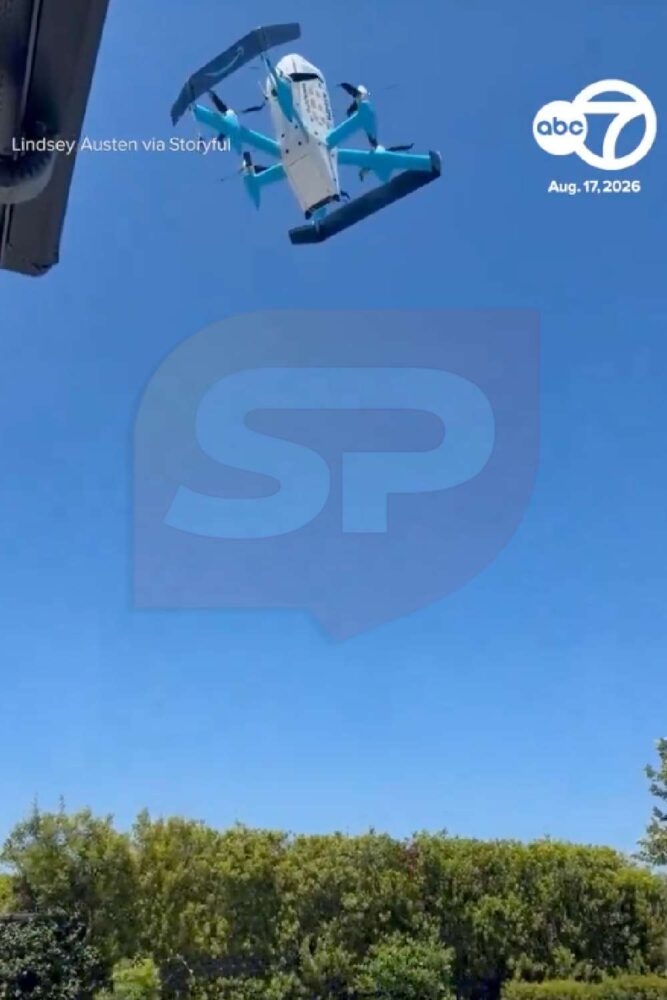
An Amazon Prime Air drone released a parcel directly into a woman’s backyard swimming pool in Richmond, Texas, with video of the failed delivery spreading online on Thursday, 20 August 2026.
The clip, as reported by Tom’s Hardware, showed an autonomous aircraft hovering squarely above the water before the delivery went in.
Lindsey Austen had received an alert telling her that her order was on its way by drone, part of Amazon’s Prime Air programme.
How the Amazon Prime Air drone delivery went wrong
Austen, whose home sat southwest of Houston, watched the drone settle into a hover over the water rather than open ground nearby. Its compartment doors opened and the package dropped straight into the pool below.
She described her reaction:
“When it went into the pool, I was shocked.”
Her scepticism did not take long to set in. Prime Air deliveries were pitched as a way to get small items to a customer within roughly an hour, with the aircraft handling the whole trip on its own and no human steering it from the ground. Austen was blunt about her plans:
“I don’t think I’ll be wanting any more drone deliveries.”
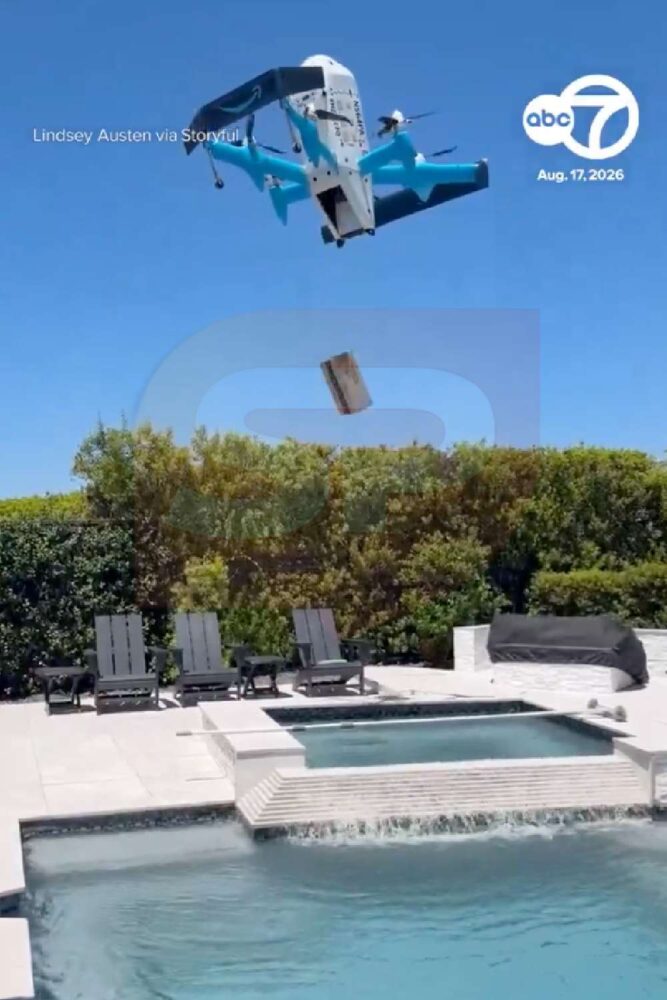
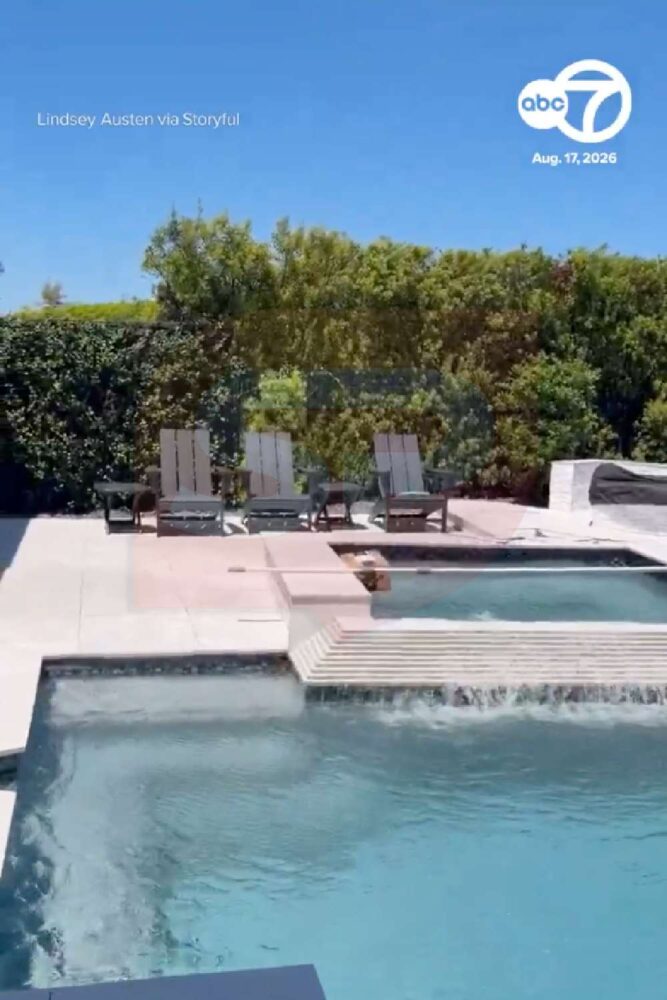
Inside the Amazon Prime Air drone delivery mechanism
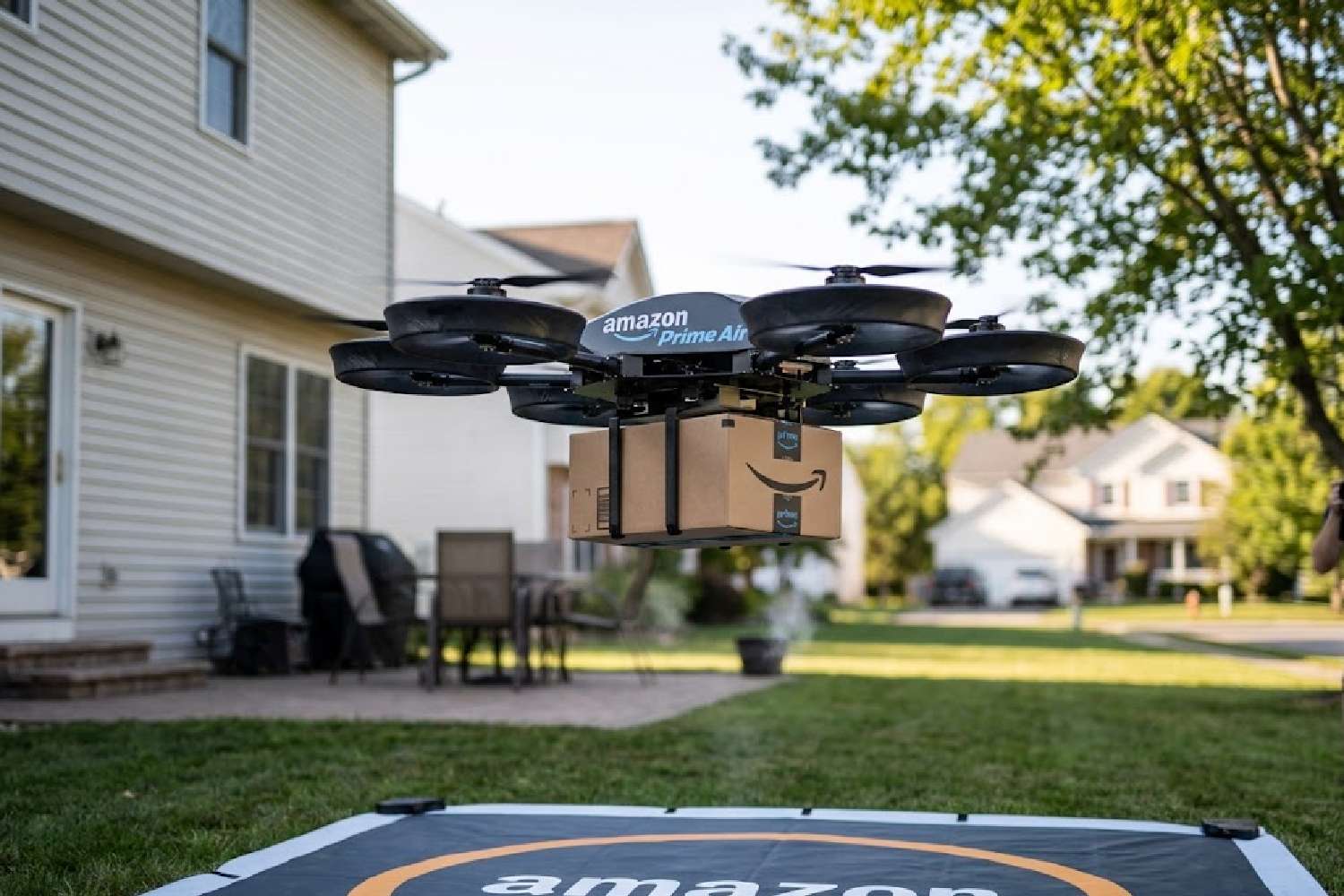
Autonomy was the nerdy word doing the heavy lifting here. The drone flew a pre-planned route using satellite positioning, then leaned on onboard cameras and sensors to scan the ground beneath it, hunting for a clear patch of open space before it committed to a drop.
It never landed. The aircraft held a hover several metres up, opened a compartment in its body and let the parcel fall the last stretch. Amazon built it that way to keep spinning rotors away from people and pets, though it left the machine needing certainty about what sat directly below.
Water made for a difficult read. A pool sat flat, uncluttered and free of obstacles, which matched the description of an ideal delivery zone right up until the box broke the surface.
The Texas footage showed what that gap in judgement looked like in a suburban backyard.
Prime Air expansion puts drone delivery in 500 cities
Amazon announced the wider rollout in the same week the clip circulated, taking Prime Air to nearly 500 cities across the United States. Scale changed the maths on a mishap like this one, because a routine that misjudged a swimming pool once became a routine repeated across thousands of unfamiliar gardens.
Pricing followed the usual Amazon pattern. Drone deliveries arrived free for Prime members, while shoppers without a subscription paid $4.99 per drop. Orders also had to clear a $50 minimum, and anything smaller picked up an extra $2.99 fee, which nudged customers towards larger baskets.
The rollout’s schedule now rested on how the drops behaved in cities Amazon had not flown before.
Each new suburb added pools, trampolines, carports and washing lines to the list of things a hovering aircraft had to tell apart from a safe patch of grass.