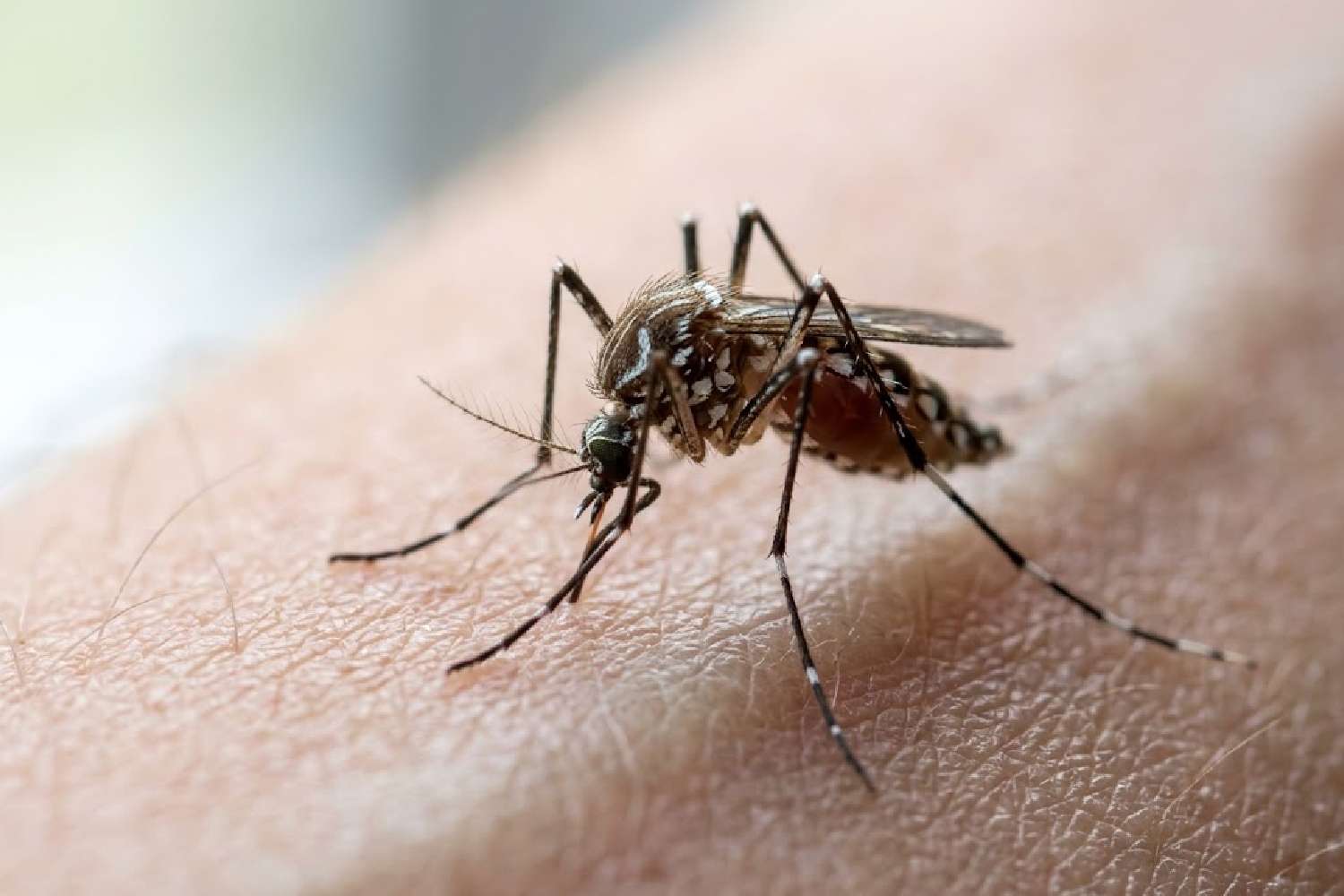


Invasive mosquitoes capable of carrying Zika virus and dengue have been found breeding in east London, the first confirmed colony of the species on British soil, health officials said on Thursday, 3 September 2026.
The colony of Aedes aegypti was identified through the UK Health Security Agency (UKHSA) and its Mosquito Watch surveillance scheme, as reported by the BBC.
The insects were most likely flagged first by a member of the public, who submitted them through a reporting website the agency runs.
Why the invasive mosquitoes found in London matter
Aedes aegypti is capable of transmitting dengue, chikungunya and Zika virus in parts of the world where those diseases are already present. The insect does not generate infection by itself; it passes a virus on only after biting someone who is carrying it, which means both an established population and a local source of infection are needed.
UKHSA has assessed the risk to the public as very low. There is no evidence that the mosquitoes have caused any human infections in the UK, and no evidence so far of the insects or their larvae being found in public areas near the original site.
Invasive mosquito species typically arrive along trade and travel routes, carried in shipping containers, cargo or vehicles, and their eggs can survive dry conditions for months.
Surveillance schemes such as Mosquito Watch exist to catch those arrivals at ports, airports and roadsides before a breeding population takes hold.
How UKHSA is dealing with the invasive mosquitoes
Specialist teams have been dispatched to destroy the colony before it becomes established. Eradication at this stage concentrates on breeding sites and standing water where larvae mature, on the reasoning that removing a population early is cheaper and more certain than controlling one that has already spread across a city.
UKHSA maintains that the species is not established in Britain. Despite the discovery and a run of recent heatwaves, the agency says Aedes aegypti cannot survive here long term because the climate remains too cold across the year. Dr Jolyon Medlock, who leads medical entomology and zoonoses ecology at UKHSA, framed the find as part of a longer trend.
“It is expected that in a warming climate, we will continue to see incursions of invasive mosquitoes and increased reports of them being able to survive in the UK.”
What happens next at the London site
Clearing the site falls to the specialist teams first, after which UKHSA will monitor the surrounding area for any sign that the colony survived or spread. Surveillance through Mosquito Watch continues at ports and roadsides, which is how this population was picked up in the first place.