

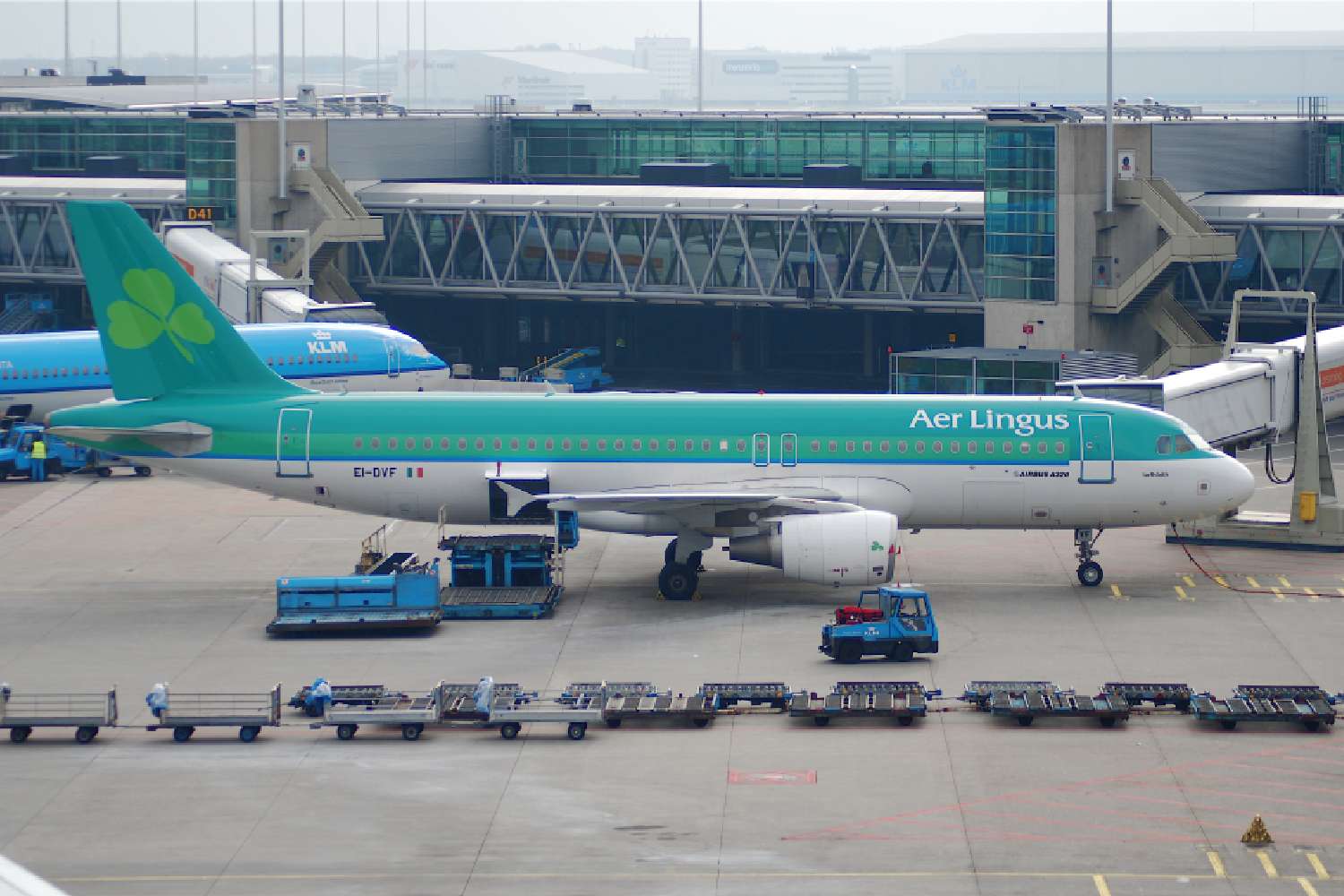


Bomb threats on European flights forced a string of aircraft to divert or make emergency landings on Thursday, 5 November 2026, with about 12 flights affected and no explosive devices found.
According to Al Jazeera, the threats targeted flights run by several airlines across the continent, two days after at least seven flights were affected on Tuesday, 4 November 2026. No one has claimed responsibility, and officials have not said who is behind the alerts.
Where the bomb threats on European flights ended in landings
An Aer Lingus Airbus A320 flying from Dublin to Rome was diverted to France and escorted by French air force jets to the Évreux air base in Normandy. The French prime minister’s office said a bomb squad was at the airport and that 151 passengers and six crew had been moved to safety. Aer Lingus said:
“The flight landed safely and Aer Lingus will work to reaccommodate customers to their final destination as soon as possible.”
In Bulgaria, three Ryanair aircraft requested emergency landings. Flights from Copenhagen and Madrid landed at Sofia airport, while a flight from London diverted to Plovdiv. Bulgarian air force MiG-29 jets took off from Graf Ignatievo air base at 10:11 local time (10:11 SAST) to escort the aircraft, and the transport ministry said inspections found no issues.
Czech police said four aircraft heading to Prague were the subject of threats referring to improvised explosive devices, and that they “assess the relevance of the threats as low”. Pyrotechnic inspections, which are searches by explosives specialists, were negative. A LOT Polish Airlines flight from Warsaw landed in Brussels, where a spokesperson said “no suspicious items were found”.
A Wizz Air flight from Milan to Warsaw diverted to Vienna after what the airline described as a hoax threat. A Finnair flight from Helsinki to Rome was escorted by a fighter jet before bomb disposal experts checked it on the ground, and a second Finnair flight, from Helsinki to Vienna, landed without incident.
How airlines respond to bomb threats on European flights
When a threat is received in flight, a crew can set the transponder to squawk 7700, the international code for a general emergency, which flight-tracking data showed the Aer Lingus aircraft did. Air traffic control then clears a route to a suitable airfield, military jets can escort the aircraft, and bomb disposal teams search it on the ground.
Graeme McQueen, head of media relations at Dublin Airport, where the Aer Lingus flight began its journey, said the airport knew of a number of threats being made across Europe again on Thursday, 5 November 2026. He added:
“Safety comes first in these instances, so it’ll be taken very seriously. Everything will be investigated.”
Who is behind the bomb threats on European flights?
Correspondent Frances Read, reporting from London, said “there is no indication of who would be behind this” and pointed to a wider context of geopolitical tension. She cited earlier disruptions that included a hack of supermarket refrigerators and drone incursions, and said there was no evidence linking them to the threats. She added:
“That is realistically what European governments will be looking at.”
Sources
- Al Jazeera, New bomb threats bring fresh disruptions to flights across Europe
- TheJournal.ie, Dublin-Rome Aer Lingus flight diverted to France amid 12 bomb threats on European planes
- Organiser, Bomb threats hit European flights, trigger emergency landings
- Statements from Aer Lingus, the French air force, Czech police, LOT Polish Airlines and Dublin Airport


