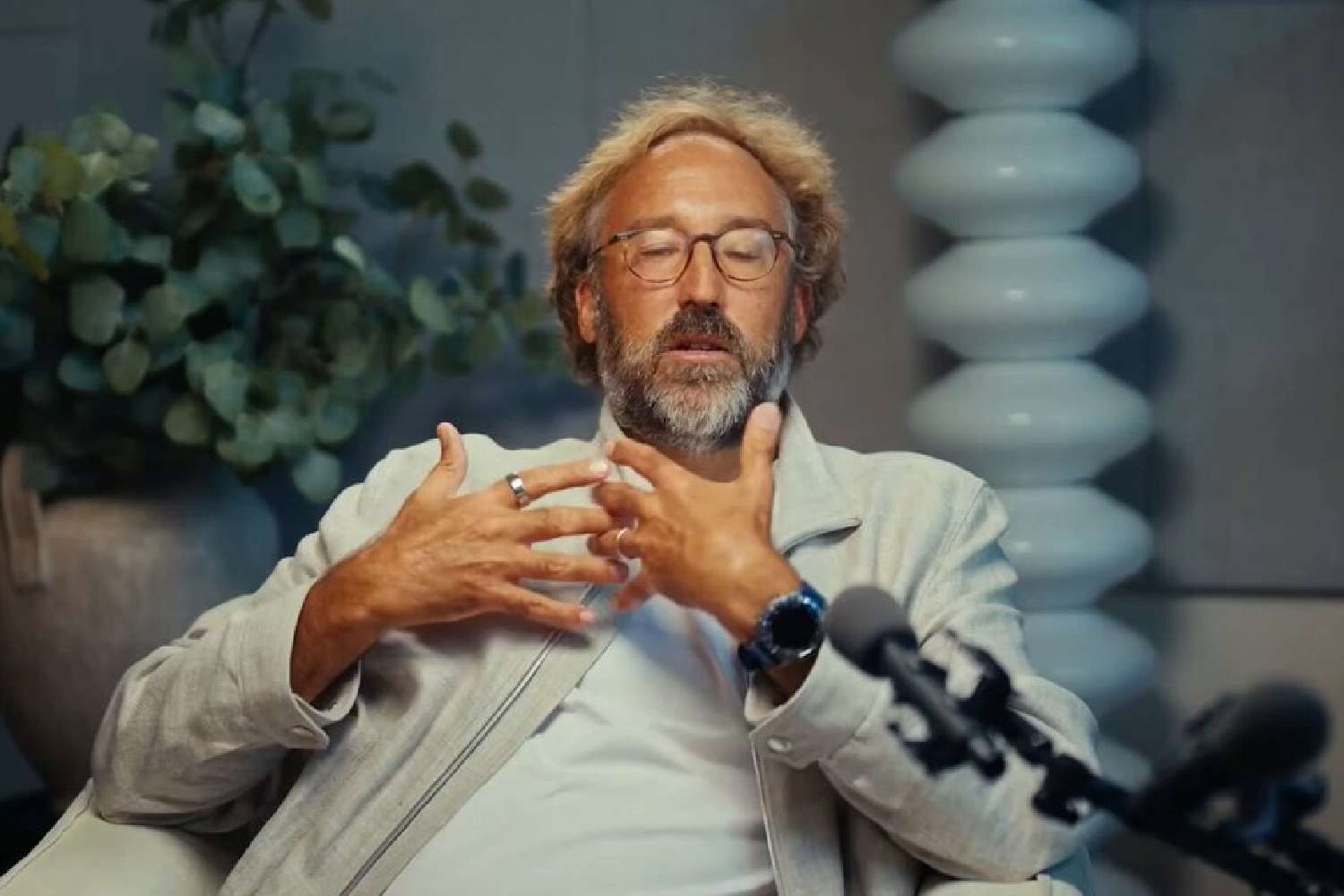


Gavin Baker, chief investment officer at hedge fund Atreides Management, said AI data centres were the best thing to happen to working-class Americans, in podcast comments reported on Wednesday, 2 September 2026.
Baker made the case on The A16z Show as data centre construction became a lightning rod for public anger in America. His remarks, as reported by Business Insider, cast the AI build-out as an industrial revival rather than an environmental burden.
What Gavin Baker said about data centres
The investor, whose fund has backed several data-centre-linked companies including Crusoe, put it in absolute terms:
“It’s probably the best thing that has ever happened to working-class Americans. It is revitalising all of these dying small towns all over America.”
Baker also took aim at the four-year college degree, calling it “significantly NPV negative”, or negative in net present value, investing shorthand for a cost the future payoff no longer justifies.
Young people could instead train as electricians, plumbers or HVAC technicians and make “ungodly amounts of money”. One data centre electrician who skipped university said he earned $40 an hour.
The data centres backlash and the China claim
On the environmental objections, chiefly the electricity and water that large data centres draw, Baker said the tech industry was “getting much better” at handling them, and called the facilities “really, really, really good, and they’re having a positive impact on the world”.
Baker framed the build-out as a national project rather than a corporate one:
“We are re-industrializing America. And it’s awesome. This is what everyone in both parties has wanted for a long time.”
He also argued that some of the online opposition was manufactured, describing an “organised, CCP-funded campaign” against data centres “laundered through TikTok”.
The platform X said it had found a 200 000-strong Chinese bot farm, some of it posting about data centres, though a researcher noted many had no engagement.
The claim followed a run of posts on X in which he championed the projects, including one saying any politician opposed to data centres was unqualified to hold public office.
He later softened that, conceding concerns had been reasonable 18 months earlier, before arguing “well-structured” builds had since answered them.
A branding problem the AI industry has not solved
Baker’s summary of the economic effect was blunter still:
“This has been unambiguously awesome for blue-collar Americans.”
Where he saw a real failure was in communication. He argued the sector, from SpaceX, Anthropic, OpenAI, Google and Meta to the chipmakers Nvidia, AMD and Broadcom, should follow former Meta operating chief Sheryl Sandberg, who once opened earnings calls with accounts of small businesses growing on the company’s products.
Baker’s instruction to the industry was direct:
“The only group that can tell the AI industry’s truth is the AI industry, and they need to start telling the truth.”
What happens next turns on evidence rather than volume. Baker wants the sector to argue its own case in public. The towns hosting its server halls want numbers on electricity and water.
Until one side supplies them, the fight over the build-out only gets louder.