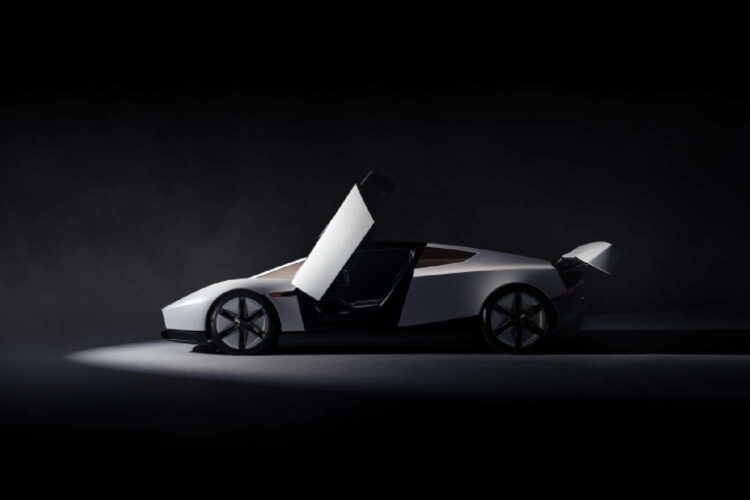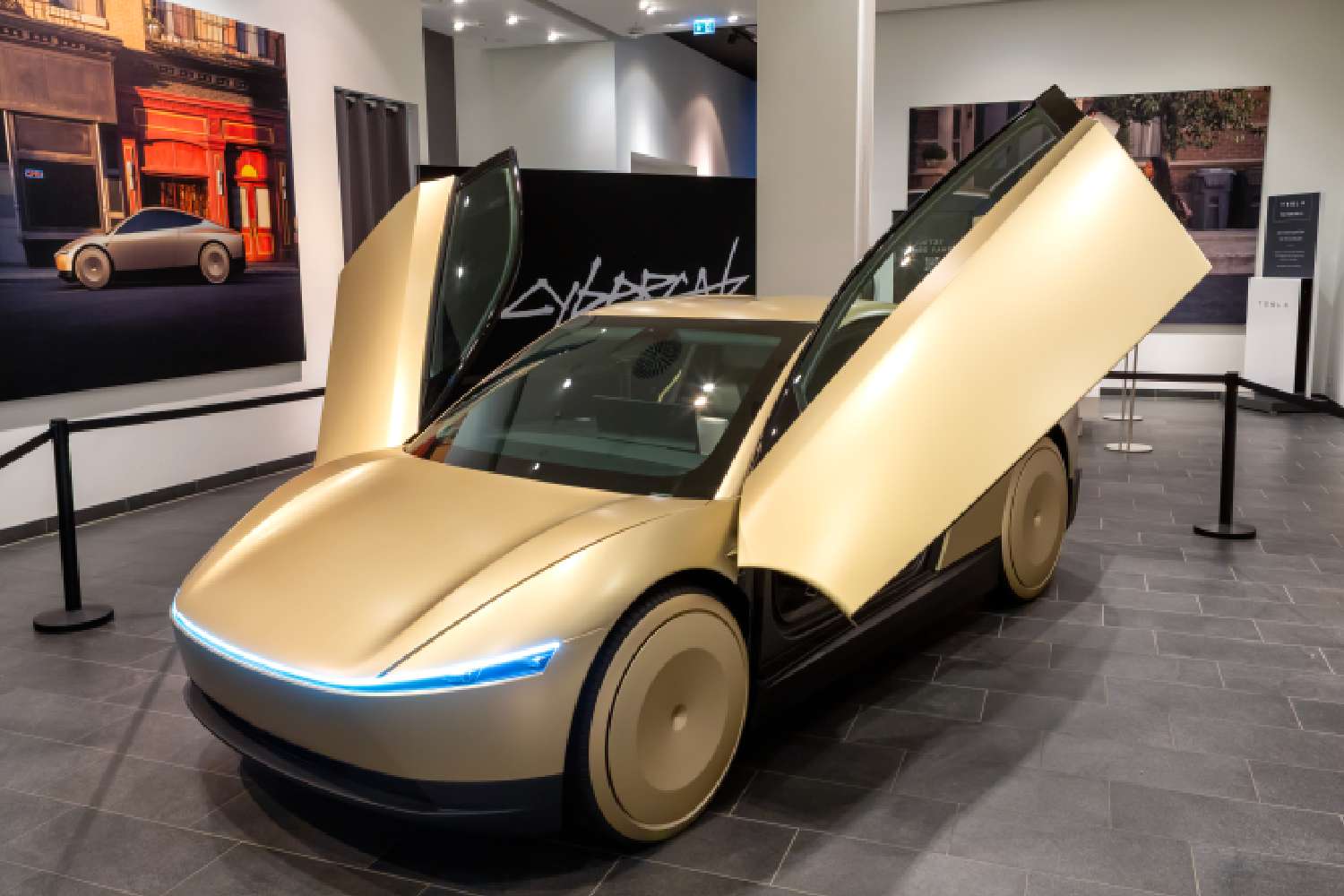


Tesla’s Cybercab investigation was opened by the United States road safety regulator on Friday, 4 September 2026, hours after the driverless two-seater began picking up members of the public in Austin, Texas.
The two-seater arrived without a steering wheel or brake pedals, and it started carrying passengers that evening, as reported by WIRED.
The National Highway Traffic Safety Administration (NHTSA) opened its inquiry within hours of Tesla welcoming hundreds of fans to downtown Austin.
What the Tesla Cybercab investigation was actually checking
The inquiry took the form of an Audit Query, a formal demand in which the regulator examined the data and the process a manufacturer used to reach its own compliance verdict. Tesla, which had been building the Cybercab since April 2026, insisted the car already met every existing federal standard.
Jonathan Morrison, the NHTSA administrator, cast the audit as ordinary enforcement rather than hostility towards automation. The agency had been rewriting its rulebook to make room for cars built without human controls, and he wanted that intent on record. He said in a statement:
“[NHTSA] fully supports the safe development and deployment of automated vehicles. But as the federal regulator, we need to ensure that all of our laws are followed.”
Why the Cybercab investigation followed the Zoox exemption
A precedent already existed. Unusually shaped robotaxis, meaning vehicles built without the manual controls the rules assumed, had been told to apply for an exemption first.
Amazon’s self-driving subsidiary Zoox won the first of those over the northern summer, capped at 2 500 vehicles for 2026.
Ann Carlson, a former acting NHTSA administrator and now a professor of environmental law at UCLA, read the audit as a temperature check on the agency’s patience.
She pointed to the Zoox case as the moment the regulator made its expectations plain:
“[This is] an indication that NHTSA is super frustrated with Tesla.”
Tesla’s position was that it needed no exemption, because its vehicles complied with the standards already on the books.
Carlson found that reasoning hard to square with a process the regulator had spelled out only months earlier for a rival building the same kind of car:
“For Tesla to slap them in the face and ignore that, that is gobsmacking.”
Where the Austin robotaxi rollout went next
The standards under scrutiny were years old. NHTSA had been tweaking eight of them, including requirements for brake pedals, windscreen wipers and rear-view mirrors that a car with no human driver did not need, but those older rules remained in force.
Investors were unmoved. Tesla shares fell 6% on Friday, 4 September 2026, after an update that landed flat with a market betting on the company outrunning Alphabet’s Waymo. The Austin event on Thursday, 3 September 2026, was invite-only, was not livestreamed, and Elon Musk did not appear.
Robotaxi app users could hail a Cybercab inside a geofenced zone around Austin, a digital boundary the service did not cross.
Tesla’s network already covered a handful of cities in Texas and Florida, and the audit’s findings will set how far that map stretches.