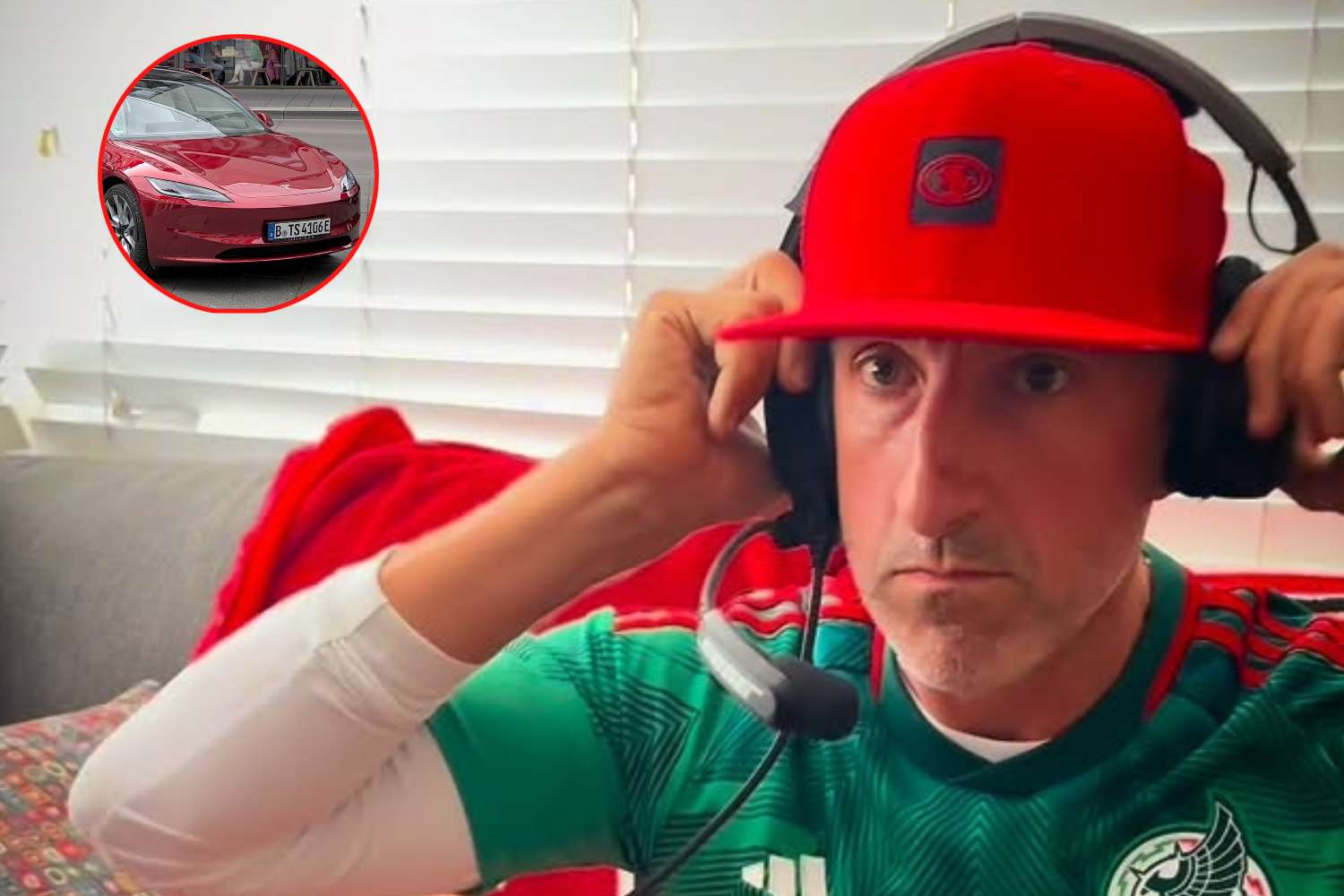


Kyle Shanahan says his Tesla was on Autopilot when he crashed on Tuesday, 14 July 2026, an admission the San Francisco 49ers head coach made to reporters on Saturday, 8 August 2026.
The crash left the coach with a serious concussion, a broken nose, broken ribs, a broken hand and a facial gash that needed 40 stitches, and he had already taken full responsibility for it, as reported by TMZ.
What Kyle Shanahan said about Tesla Autopilot
Shanahan told reporters he was moving at about 20 mph, roughly 32 km/h, when his phone slid out of reach. He trusted the car enough to look away and hunt for it.
What happened in the seconds after that, he said, he still cannot explain.
He does not know whether the system malfunctioned or whether he knocked it off himself, and he is not pointing at Tesla either way.
Shanahan instead put the burden squarely back on the person behind the wheel.
“You can’t take your eyes off the road. It’s a partnership driving, you don’t just turn it over to a computer.”
What Tesla Autopilot actually does
Autopilot is Tesla’s driver-assistance system, and the driver-assistance half of that phrase is doing most of the work. It can hold a lane, accelerate, brake and match its speed to the traffic ahead. Tesla’s own guidance still asks for hands on the wheel and eyes on the road throughout.
It is also distinct from Full Self-Driving, the more expensive package sold as a step further up the ladder. Neither turns a Tesla into an autonomous vehicle in the way the marketing language tends to suggest to a casual buyer, and both leave the driver legally in charge.
Why the Tesla Autopilot question follows every crash
That gap between what the system can do and what a driver assumes it can do is why, whenever a crash involves a Tesla, the first question asked is whether Autopilot was engaged.
The answer shapes the insurance assessment, any liability claim and the regulatory paperwork that follows.
Palo Alto police found Shanahan was at fault after a state database that had initially blamed the other driver turned out to carry a clerical error. His car crossed the double yellow line and struck an SUV while he looked away, by his own earlier account, for a couple of seconds.
This is the latest in a run of Autopilot-linked crash stories that have surfaced through the year, each one circling the same unresolved argument about where driver attention ends and system limitation begins.
A famous name attached to one of them simply makes the argument louder.
Shanahan says he is still working through headaches and fatigue, and he intends to be on the sideline when San Francisco opens its preseason against the Tennessee Titans.
Whether the crash draws any wider scrutiny of the car itself is a question he has pointedly left alone.