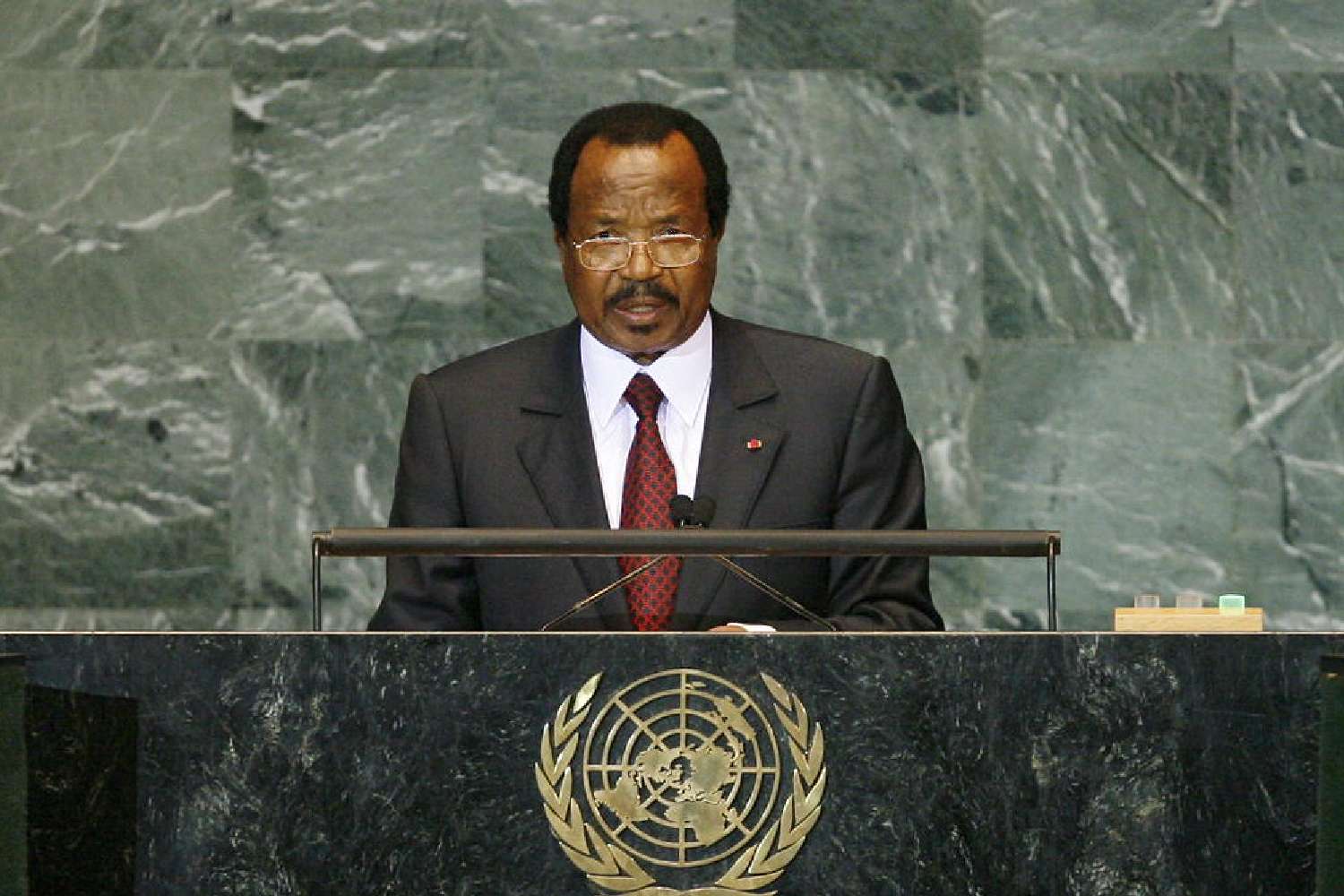


Paul Biya returned to Cameroon on Thursday, 20 August 2026, after more than 10 weeks abroad, the longest recorded absence of his presidency and one that fuelled speculation about his health.
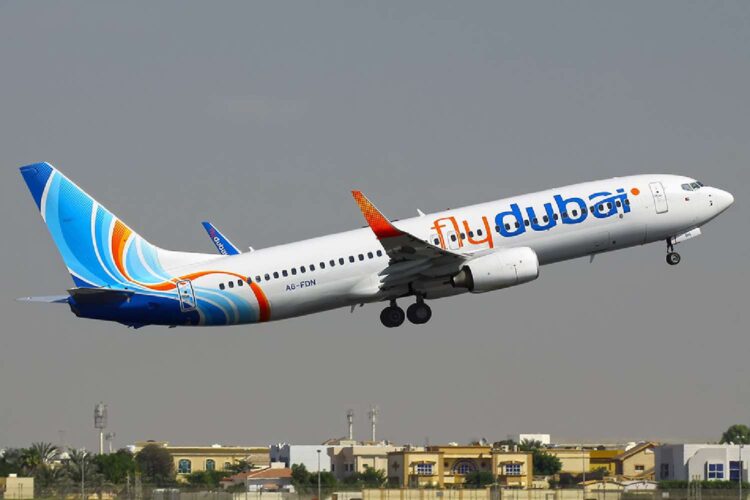
Biya, 93, landed at the international airport in Yaoundé aboard a flight from Geneva, Switzerland, as reported by NBC News. He had left the country on 7 June 2026, in a departure his office described at the time as “a brief private stay in Europe.”
How did Paul Biya return to Cameroon?
Close collaborators gathered at the airport to receive him, though he was not shown descending from the aircraft and gave no briefings on his return. He was seen waving to supporters from his vehicle, the only public glimpse of the president offered on the day.
The absence ran for more than 10 weeks without a stated return date, and speculation about the president’s health spread across Cameroonian media and social platforms during that period.
Concerns about a possible power vacuum in the Central African nation grew alongside it.
Why Paul Biya’s absence from Cameroon caused alarm
Biya has spent significant periods in Europe over the years, chiefly in France and Switzerland, with governance routinely left to senior party officials and members of his family during those stays.
The pattern has become a defining feature of his time in office.
Cameroon has no vice president, an appointment that rests entirely with Biya, which leaves no constitutional deputy positioned to assume day-to-day authority when the head of state is out of the country.
Power instead flows through the presidency’s inner circle.
Opposition figures have described the country as running on autopilot during his absences, with the administration processing routine business while decisions that require the president’s signature accumulate.
That criticism grew louder as the June departure stretched from days into weeks and then months.
No serving head of state anywhere is older, and every extended trip abroad is read in Yaoundé as a test of whether the machinery of government can operate without the man at its centre.
That reading has grown sharper with each successive stay in Europe.
What Paul Biya’s return means for Cameroon
Biya has led Cameroon since November 1982, a tenure that makes him one of the longest-serving heads of state in the world and the only president most Cameroonians have known.
Questions about who succeeds him have shadowed national politics for years without resolution.
No public schedule has been announced for the days ahead, and there has been no indication of when the president will next appear in person.
His visibility over the coming weeks, more than the fact of his arrival, will determine how the succession question is read within the ruling party.