

Breast cancer screening South Africa guidance covers three checks, and the recommended ages differ between the Department of Health and the Cancer Association of South Africa (CANSA) during October 2026, Breast Cancer Awareness Month.
According to the World Health Organisation (WHO), breast cancer was the most common cancer in women in 164 of 186 countries in 2024, with an estimated 2.4 million women diagnosed worldwide.
The WHO says early detection has two parts: spotting symptoms early, and screening, usually mammography for women aged 50 to 69.
What does breast cancer screening in South Africa involve?
Think of it as three layers. A breast self-examination is a check done at home, which CANSA says should happen once a month. A clinical breast examination is done by a trained health worker. A mammogram is a special x-ray that, CANSA says, can save lives by finding cancer early.
The department’s guidelines treat self-examination as a way to build awareness, not a proven screening method. CANSA’s National Manager for Health Promotion, Lorraine Govender, said in a November 2023 article supplied by the association that self-examination has a role to play:
“Research has shown that a regular Breast Self-Examination (BSE) plays an important role in discovering breast cancer, compared to finding a breast lump by chance,” Govender said.
Who is breast cancer screening in South Africa for?
The department’s clinical guidelines say women over 40 visiting a primary health clinic should be offered a clinical breast examination. CANSA advises a yearly mammogram from age 40, then one every two years from age 55, or yearly if a woman prefers.
The department’s mammography advice is narrower: its 2018 guidelines list yearly mammograms from age 40 to 70 for high-risk women, including carriers of a BRCA gene mutation, and offer a once-off mammogram to women over 40 at a routine check-up.
How common is breast cancer in South Africa?
Global estimates for 2024 put new breast cancer cases in South Africa at 13 338, or 25.1% of all cancers diagnosed in women. The National Cancer Registry’s 2024 report puts a South African woman’s lifetime risk at 1 in 28.
In the foreword to the department’s Breast Cancer Prevention and Control Policy, dated June 2017, Health Minister Dr Aaron Motsoaledi named breast cancer, along with cervical cancer, a national priority and described its reach among women:
“Breast cancer is the most prevalent cancer and a leading cause of death among South African women,” Motsoaledi wrote.
What does public breast cancer screening in South Africa offer?
The same policy said a lack of resources made population-wide mammography screening untenable in the public system at that stage, with mammograms reserved for women with symptoms or high risk at specialist breast units. CANSA says its care centres do not offer mammograms, but public hospital breast clinics screen women who have a referral letter from a medical professional or a CANSA nurse.
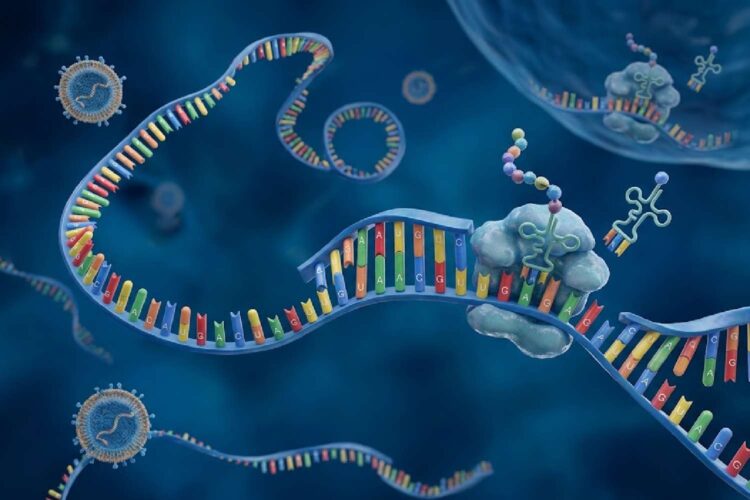
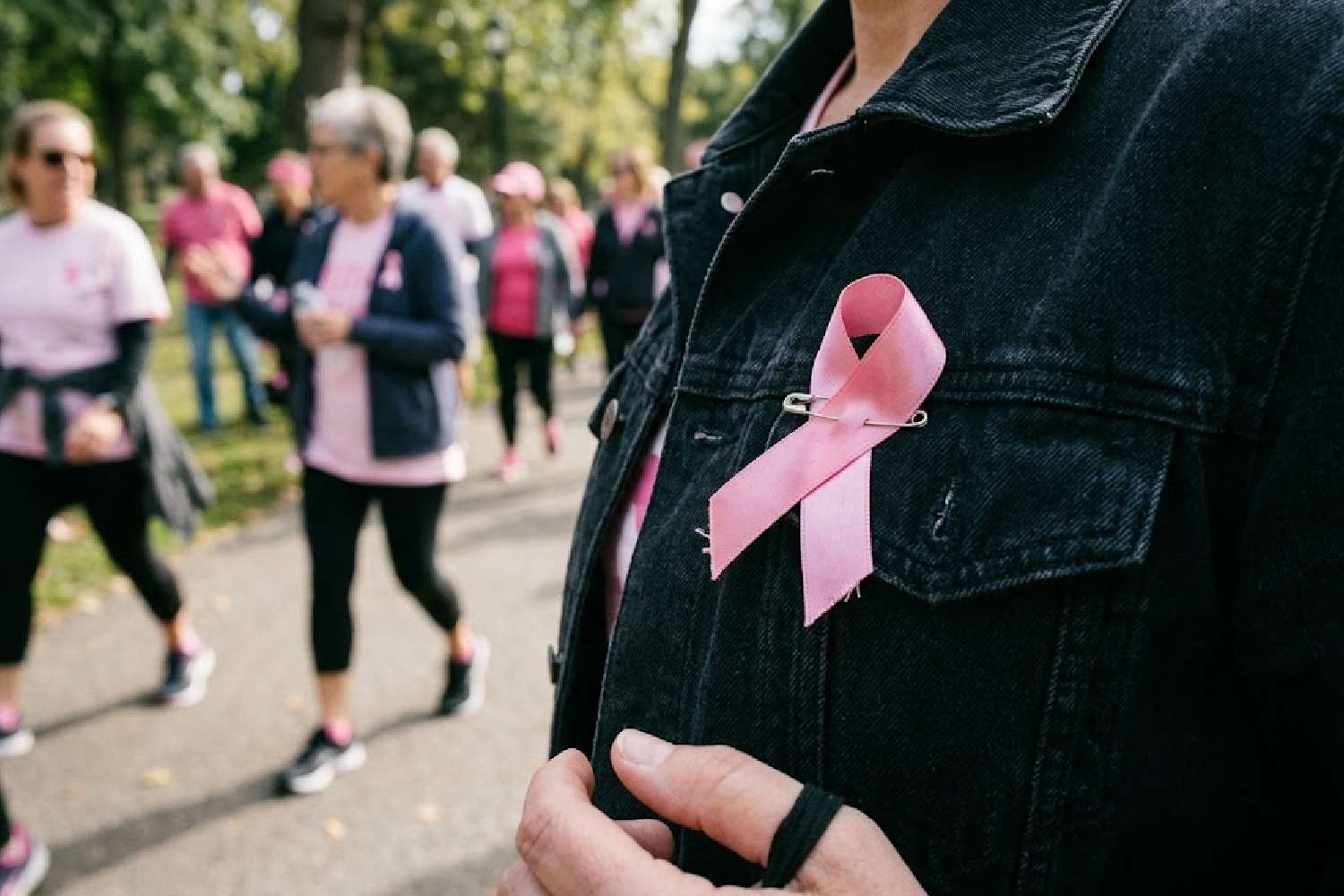
Breast Cancer Awareness Month runs until Saturday, 31 October 2026. The WHO’s Global Breast Cancer Initiative, launched in 2021, aims to cut global breast cancer deaths by 2.5% a year, averting 2.5 million deaths by 2040, while research on treatment includes messenger RNA (mRNA) cancer vaccines.
Sources
- World Health Organisation, Breast cancer fact sheet (3 July 2026)
- Global Cancer Observatory (International Agency for Research on Cancer), GLOBOCAN 2024 South Africa fact sheet
- CANSA, Breast cancer
- CANSA, South African cancer statistics
- Vuk'uzenzele (article supplied by CANSA), Breast cancer screening can save lives, November 2023
- National Department of Health, Breast Cancer Prevention and Control Policy, June 2017
- National Department of Health, Clinical Guidelines for Breast Cancer Control and Management, 2018
- National Department of Health, 2026 Health Awareness Calendar
- South African Government, International Breast Cancer Month
- Swisher Post, Moderna mRNA cancer vaccine wave starts with melanoma