

New York Legionnaires disease deaths have risen to three after a third fatality was confirmed in an Upper East Side cluster that has grown to 74 reported cases, in a health update issued late on Sunday, 19 July 2026.
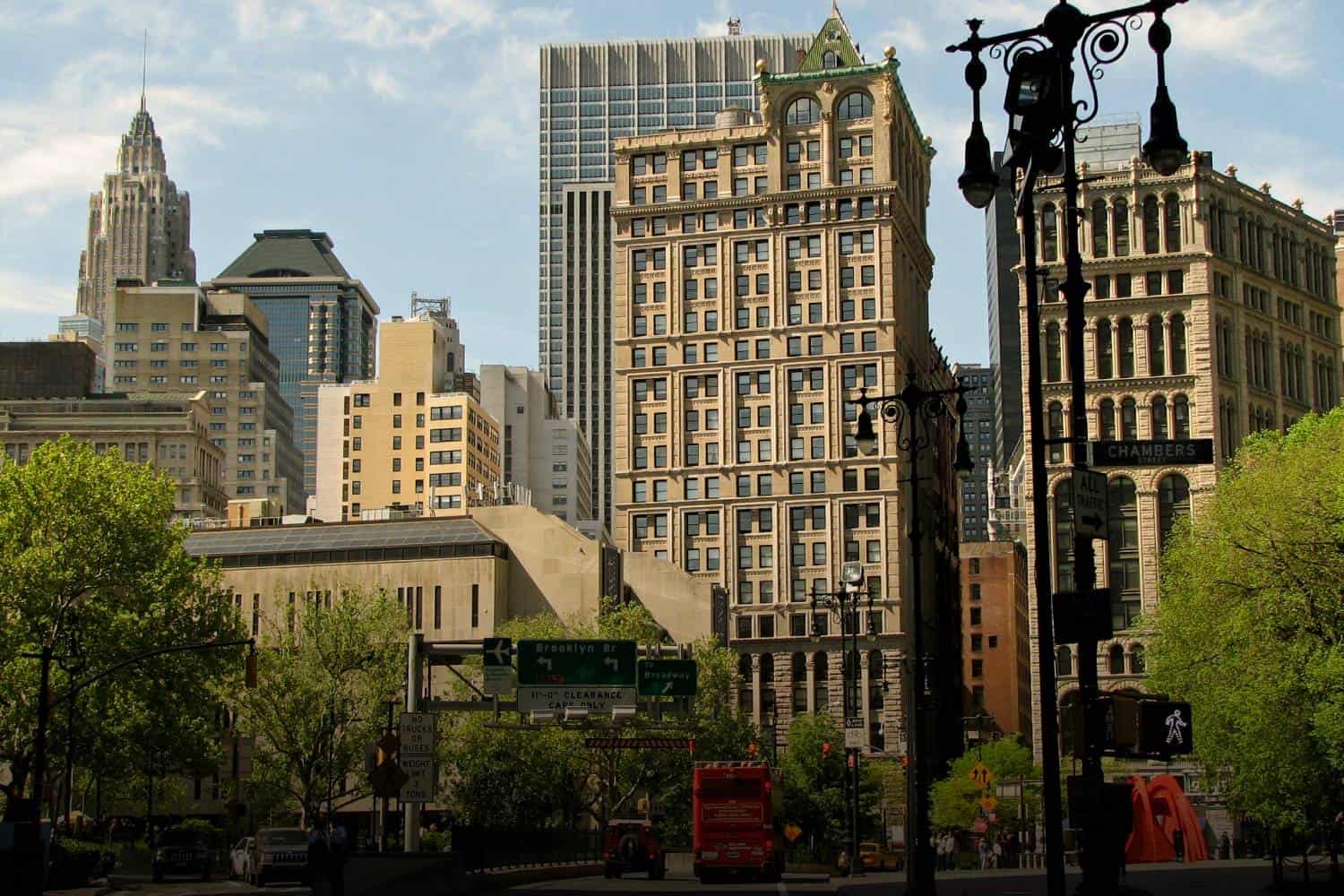
According to the New York City Health Department, the cluster was first detected on Thursday, 2 July 2026, when two cases were identified in close proximity, triggering an investigation across the Carnegie Hill and Yorkville neighbourhoods, which fall within ZIP codes 10028 and 10128.
The first death was announced on Friday, 17 July 2026, and a second was confirmed the following day. The second victim was an Air Force veteran and businessman.
The most recent fatality was recorded in the department’s latest bulletin, posted at 19:30 US Eastern time (01:30 SAST on Monday, 20 July 2026).
New York City Health Commissioner Dr Alister F. Martin responded to the death in a statement.
“We are heartbroken to learn that another New Yorker has lost their life to Legionnaires’ disease on the Upper East Side. Our deepest condolences are with their loved ones as they grieve.”
How the New York Legionnaires disease outbreak spreads
Legionnaires’ disease is a severe form of pneumonia caused by inhaling tiny water droplets contaminated with Legionella bacteria. The bacteria thrive in warm, stagnant water and are often traced to cooling towers, hot tubs and plumbing systems.
The disease is not spread from person to person.
On the Upper East Side, cooling towers at 76 buildings tested positive for Legionella bacteria. Cooling towers release fine mist into the air as part of a building’s air-conditioning system, and when that mist carries the bacteria, people nearby can breathe it in without any direct contact with a water source.
What the city is doing to contain the cooling tower risk
The building owners were ordered to drain, clean and disinfect the affected cooling towers.
The city has adopted a more aggressive standard than usual, requiring immediate cleaning and disinfection of any tower that returns a positive PCR screening result, rather than waiting for slower culture tests to confirm the presence of live bacteria.
A PCR test detects the bacteria’s genetic material within hours, while a culture test can take up to two weeks to grow a live sample and confirm a result.
Acting on the faster screening result allows the city to shut down a suspect tower before it seeds further infections.
Where the New York Legionnaires disease deaths cluster stands now
Eight patients remain in hospital, and remediation of the flagged cooling towers is ongoing while the department continues to monitor the two ZIP codes for new infections.
Most people exposed to Legionella do not fall ill; those at higher risk include adults over 50, smokers and people with weakened immune systems or chronic lung conditions.
Symptoms can take up to 14 days to appear after exposure, so health officials expect further cases tied to the cluster may still be reported even as the towers are cleaned.
Whether the count of 74 marks a peak or continues to climb will depend on how quickly the disinfection work is completed across the 76 buildings.