

The mRNA cancer vaccine wave took a real step forward on Wednesday, 19 August 2026, when Moderna and Merck said their personalised shot, Intismeran, hit both goals of a late-stage melanoma trial.
The milestone, as reported by Al Jazeera, was the first positive late-stage trial result for an mRNA cancer vaccine and the first randomised Phase 3 study to definitively test this kind of neoantigen shot.
Investors reacted fast, sending Moderna shares surging as much as 160% on the news.
Inside the first big mRNA cancer vaccine wave result
Moderna and Merck tested Intismeran alongside Keytruda, Merck’s existing immunotherapy, in patients whose high-risk melanoma tumours had already been removed by surgery.
The trial met both of its goals, cutting the risk of the cancer coming back and stopping tumours from spreading elsewhere in the body.
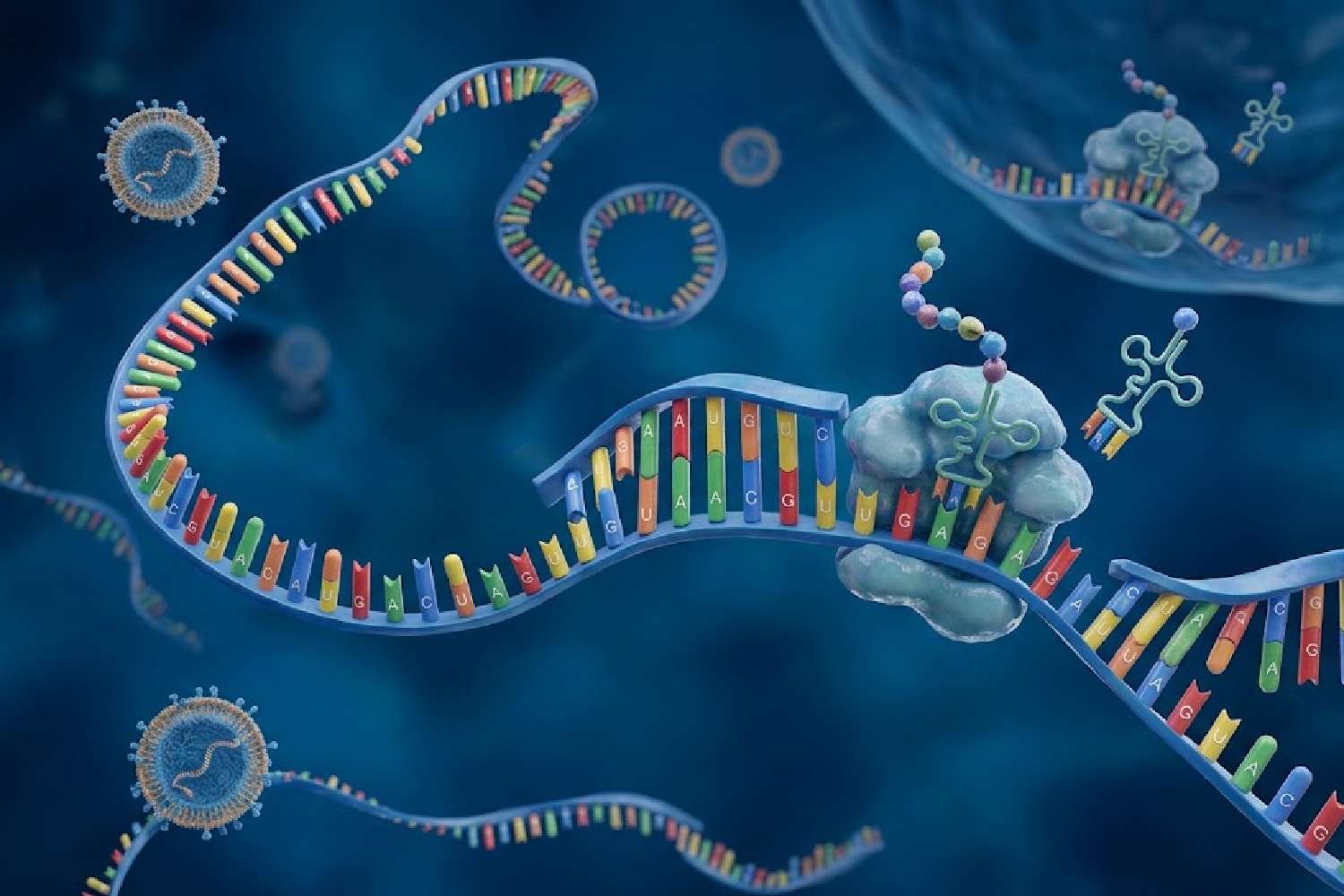
The clever part sat in the build. The shot was made for one patient at a time, training their immune system to spot mutations that appeared only on their own cancer cells, rather than treating every tumour the same way.
Karen Knudsen, CEO of the Parker Institute for Cancer Immunotherapy, was one of the voices reading the melanoma result as an opening rather than a finish line for the whole field of immunotherapy.
Speaking about where the data left cancer research, Knudsen said:
“The positive hit here leads us into truly this next phase in immunotherapy. This is an auspicious start, this is where things begin.”
Which cancers the mRNA cancer vaccine wave targets next
The same approach had already moved into other tumour types. Large trials were running in non-small cell lung cancer in patients who had had surgery, mid-stage studies were underway in bladder and kidney cancer, and early-stage work was testing pancreatic and stomach cancer, with results due over the next year or two.
Pancreatic cancer on that list echoed the personalised mRNA vaccine trial at Memorial Sloan Kettering, where nearly all patients who responded were still alive six years on.
That work used the same neoantigen logic on a very different tumour.
The numbers behind the melanoma work were not small. National Cancer Institute figures showed that more than 1.5 million people in the United States were living with melanoma in 2023, which gave some sense of how many patients an approved vaccine might eventually reach.
What happens next in the mRNA cancer vaccine wave
Detailed data had not been released publicly, and the companies said the full numbers would be presented at an upcoming medical meeting. Merck said talks with regulators were already underway, and Moderna President Stephen Hoge said thousands of patients who had had high-risk melanoma removed could benefit as early as next year, if regulators approved it.
None of this made the vaccine available in South Africa, or anywhere else yet, since the trial result was a US-led global research milestone and not an approved treatment.
The next markers to watch were the full melanoma data, the regulatory decisions that followed, and the lung, bladder and kidney readouts still to come.