

World Diabetes Day 2026 falls on Saturday, 14 November 2026, with the theme Early action on diabetes, a campaign built around earlier diagnosis, access to care and less stigma for people living with the condition.
According to the International Diabetes Federation (IDF), the day is marked every year on 14 November, the birthday of Sir Frederick Banting, who co-discovered insulin with Charles Best in 1922. The IDF and the World Health Organization (WHO) created World Diabetes Day in 1991, and it became an official United Nations day in 2006.
What is World Diabetes Day 2026 about?
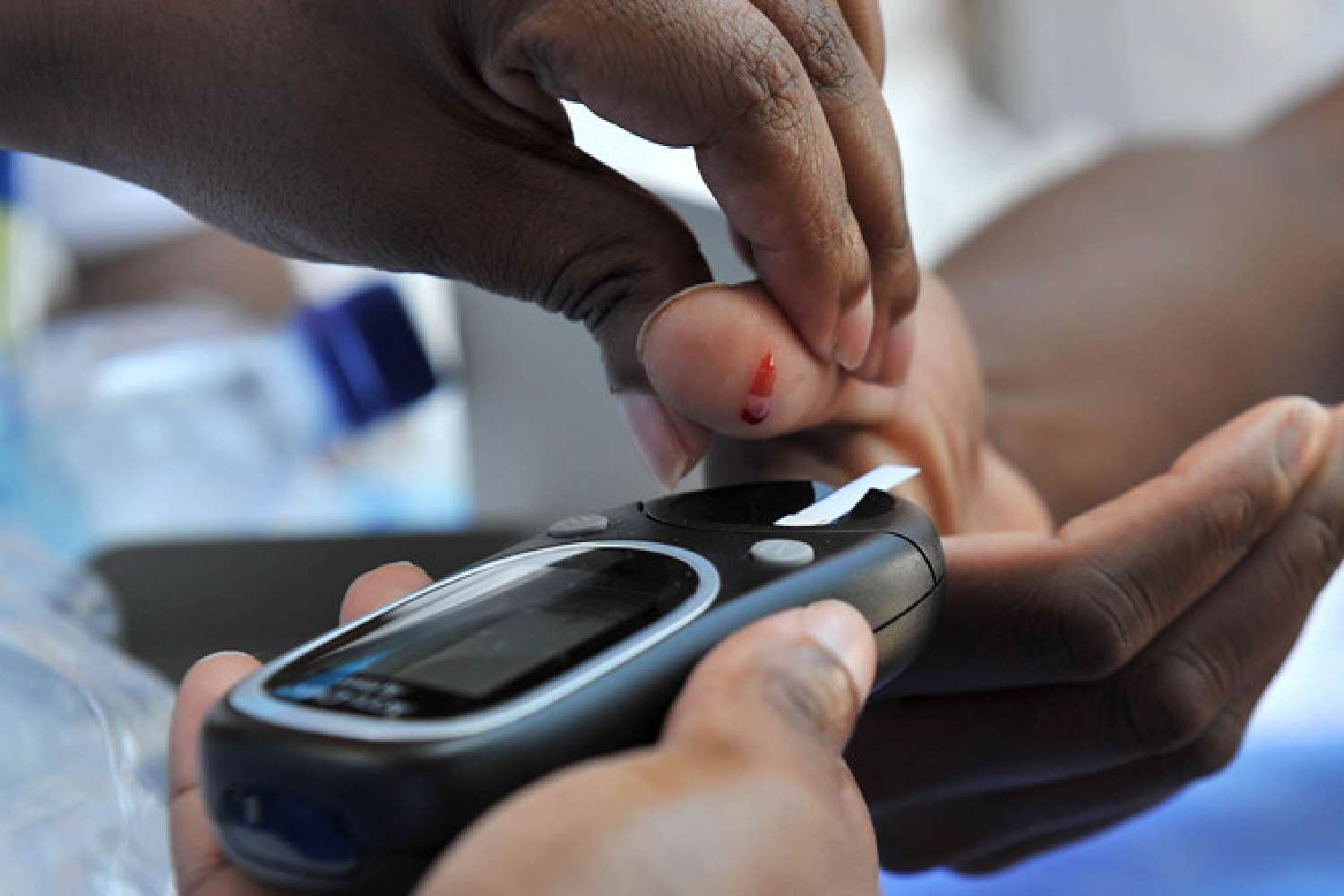
The campaign focus for 14 November is early diagnosis and risk reduction. The IDF Diabetes Atlas estimates that 589 million adults aged 20 to 79 live with diabetes, and that more than 40% of them are undiagnosed. The campaign website also carries testimonies, including one from Khalil, who lives with type 1 diabetes in the United Arab Emirates:
“Looking back, the signs were clear, but without awareness, they’re easy to miss. Early action can make all the difference,” Khalil said.
Type 1 and type 2 diabetes explained
Short version first: diabetes is a condition in which the body either cannot make enough insulin or cannot use it properly, and insulin is the hormone that regulates blood sugar. In type 1 diabetes, the immune system attacks the insulin-producing cells of the pancreas. It can develop at any age but is most frequently diagnosed in children and young adults.
Type 2 diabetes is the most common form, accounting for over 90% of diabetes worldwide. Here, the body’s cells cannot respond fully to insulin, a problem known as insulin resistance. Symptoms can be so mild that the condition goes unnoticed for years, and excess body weight, age, ethnicity and family history are among the factors linked to it.
A separate and rare condition, diabetes insipidus, makes people pass large amounts of urine and feel very thirsty. Despite the name, it is not related to type 1 or type 2 diabetes, and it affects the body’s water balance rather than its blood sugar.
World Diabetes Day 2026 and South Africa’s numbers
The same atlas estimates that 2.3 million South African adults aged 20 to 79 were living with diabetes in 2024, a prevalence of 6.1%. Here is the catch: those figures are estimates, so the true number is hard to pin down. Tersia Ellis, a senior lecturer in internal medicine at Nelson Mandela University, pointed to the gap in the data:
“Accurate data on diabetes prevalence in South Africa remains elusive due to the absence of a national registry,” Ellis said.
One of the global coverage targets backed by WHO member states is for 80% of people with diabetes to be diagnosed by 2030, while the number of people living with diabetes worldwide is projected to reach 853 million by 2050.
Sources
- International Diabetes Federation, World Diabetes Day, About WDD
- International Diabetes Federation, World Diabetes Day, Early action on diabetes
- International Diabetes Federation, World Diabetes Day 2026: how to get involved
- World Health Organization, World Diabetes Day 2026
- World Health Organization, Diabetes fact sheet
- International Diabetes Federation, IDF Diabetes Atlas 11th edition, 2025 (chapter 1 and Africa country summary table)
- Nelson Mandela University, World Diabetes Day: The need for awareness, education and responsible AI innovation, by Tersia Ellis (19 November 2025)
- NHS, Diabetes insipidus
- Swisher Post, World Diabetes Day 2024: Exploring the 'sneaky' insipidus condition