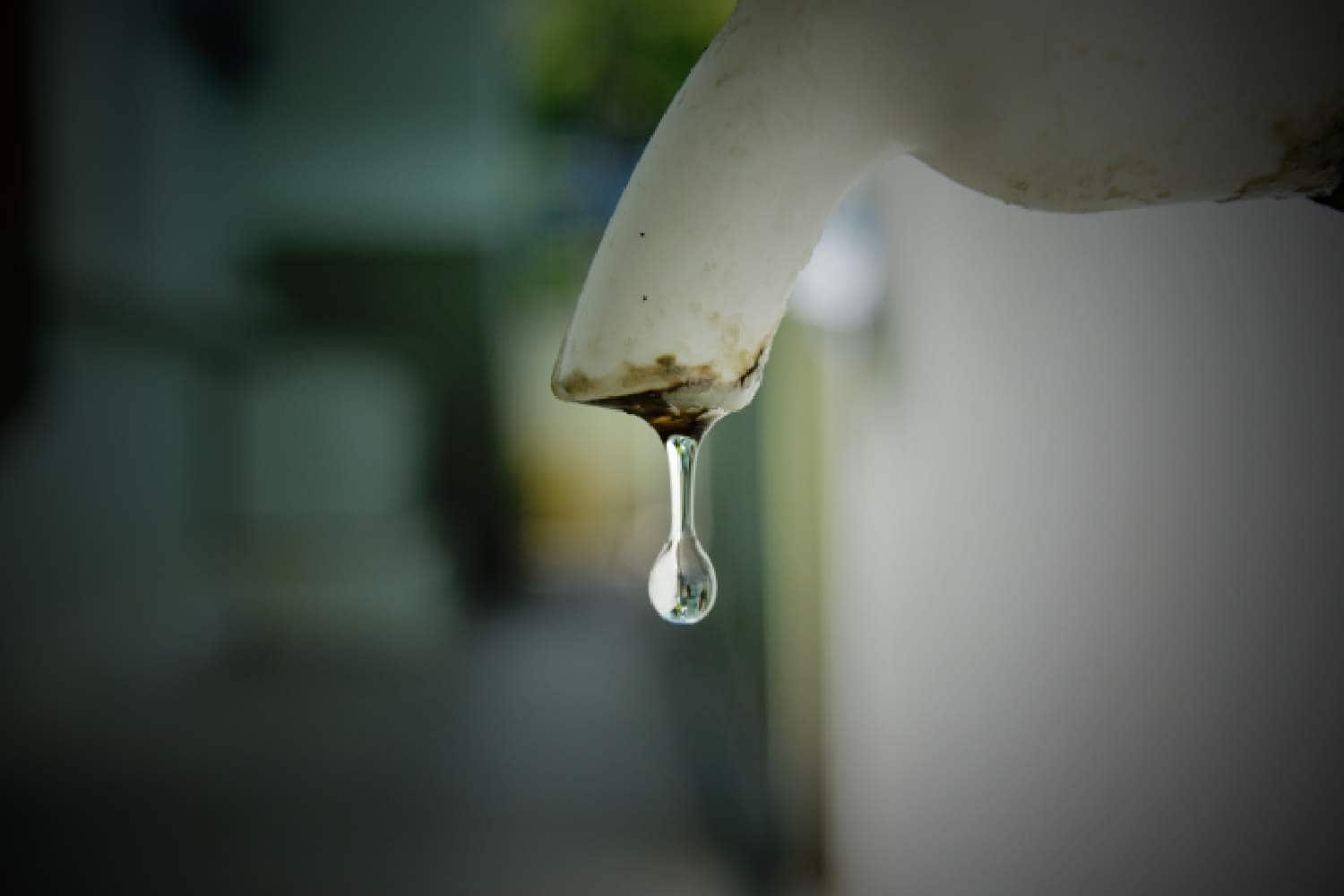


The Bronkhorstspruit water crisis has left 408 people sick near Pretoria, most of them children under four, after Tshwane supplied water without chlorine from Thursday, 24 September 2026 to Wednesday, 14 October 2026.
According to GroundUp, the 408 people fell ill with acute gastrointestinal illness between Wednesday, 7 October 2026 and Sunday, 18 October 2026 in Tshwane’s Region 7, which includes Bronkhorstspruit, Zithobeni, Dark City, Rethabiseng and Sokhulumi. No deaths have been reported, and the daily peak was 72 new cases on Tuesday, 13 October 2026.
What caused the Bronkhorstspruit water crisis?
The Bronkhorstspruit Water Treatment Works draws raw water from the Bronkhorstspruit River, which is polluted by sewage from a failing wastewater works and broken Tshwane pump stations. Tests on Wednesday, 14 October 2026 found extremely high levels of E. coli, a bacterium that signals faecal contamination.
Stool samples tested by the National Institute for Communicable Diseases contained pathogens including norovirus and Shigella, which cause severe diarrhoea, and no cholera was found. Water and Sanitation Minister Pemmy Majodina said the spread pointed to a common water supply and that Tshwane failed to warn residents the water had not been chlorinated.
Mayor Nasiphi Moya said the chlorine supplier had quadrupled its prices, negotiations failed and officials did not tell city leadership about the shortage. She said the city became aware of rising diarrhoea cases around Wednesday, 7 October 2026 and that disciplinary action could follow.
What residents must do during the Bronkhorstspruit water crisis
Residents have been told not to drink the tap water or use it for cooking, bathing or washing, even if boiled. A total of 36 water tankers have been deployed, and Rand Water is overseeing urgent repairs at the plant, which reopened on Friday, 16 October 2026. Majodina set out the rule:
“Until further notice, the water can only be used for flushing toilets,” Majodina said.
Zithobeni resident Nicky Sibanda said her one-year-old was treated for diarrhoea after drinking discoloured tap water, and that she is still buying water from other people because the municipality has not delivered drinking water to her area:
“The municipality still does not send trucks to deliver drinking water and we are suffering,” Sibanda said.
What the Bronkhorstspruit water crisis says about Tshwane’s wastewater
Water management expert Dr Anthony Turton said South Africa’s water network depends on treated sewage flowing back into rivers and dams, and that plants are now being asked to do work they were never built for:
“None were designed to convert raw sewage into potable water, which is what they are now being asked to do,” Turton said.
The Department of Water and Sanitation, the National Institute for Communicable Diseases and the Water Research Commission are investigating, and a report is due by Wednesday, 28 October 2026. The Rietvlei Water Treatment Works has not operated for about a year because of pollution.
The Department of Water and Sanitation’s Green Drop audit put Tshwane’s 2025 wastewater score at 33.8%, with six systems rated critically underperforming. Swisher Post’s report on the Gauteng water crisis inquiry noted that Tshwane has identified R29 billion in urgent upgrades.
Sources
- GroundUp, Hundreds of children fall ill after Tshwane fails to chlorinate water
- TimesLIVE, Bronkhorstspruit crisis: Tshwane failed to warn residents over unsafe water
- EWN, Tshwane water crisis: Residents feel failed after mass gastrointestinal illness cases
- Scrolla.Africa, Dirty tap water leaves 408 sick in Bronkhorstspruit
- Swisher Post, SAHRC opens Gauteng water crisis inquiry on 19 May 2026