

The local elections 2026 on Wednesday, 4 November 2026, will test whether any party can govern a metro alone, with polls in Johannesburg, eThekwini and Nelson Mandela Bay showing no outright majority.
According to commentator Melanie Verwoerd, a Mark Data poll puts the DA at about 35% in Johannesburg, ahead of the ANC on 22%, while MK and the EFF are on 12% each and ActionSA is on 10%. Verwoerd cautioned that polls are snapshots and said she is wary of national surveys of fewer than 3 000 respondents or metro polls of fewer than 1 000.
Seats on metro councils are split equally between ward and party-list councillors, and a party needs more than half of them to govern without partners. Voting stations close at 21:00, and the Electoral Commission of South Africa has seven days to declare results.
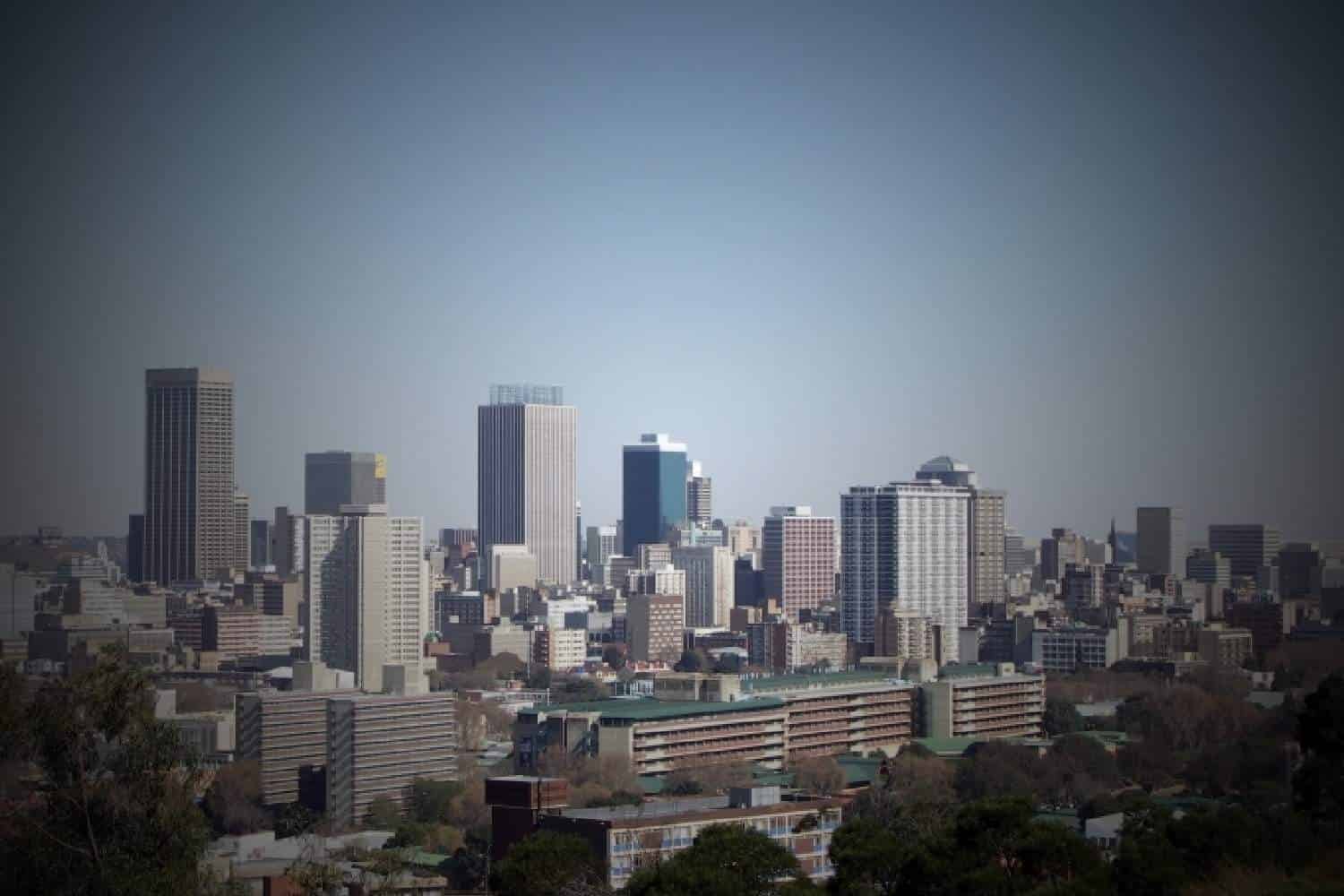
Johannesburg in the local elections 2026
Johannesburg has changed mayors repeatedly since the 2021 elections as coalition agreements formed and collapsed. The DA has named Helen Zille, a former party leader, as its mayoral candidate, while the ANC’s metro candidates came from a shortlist of 42 names released on Saturday, 22 August 2026. ActionSA leader Herman Mashaba has said he will oppose her bid.
“Helen Zille will never be the mayor in Joburg in this or any other lifetime if I have anything to do with it,” Mashaba said.
Verwoerd said an ANC and DA coalition would be the simplest route to stability in Johannesburg, while a DA and ActionSA arrangement might need smaller parties to reach a majority. A grouping of the ANC, MK, EFF and ActionSA would hold only a narrow majority, she added.
eThekwini and Nelson Mandela Bay in the local elections 2026
In eThekwini, MK is polling at around 44%, while the DA, ANC and IFP together stand at about 47%. Verwoerd said an agreement between MK and the ANC could deliver a majority, but she doubted the two parties could bridge their differences. In Nelson Mandela Bay, the DA and the ANC are each on about 37%.
A DA and ANC partnership in Nelson Mandela Bay could be strong and stable, Verwoerd said, but without one, talks could involve many smaller parties. Her caution on polling applies here too, as metro surveys with fewer than 1 000 respondents carry a wide margin of error.
Cape Town and the Western Cape in the local elections 2026
Verwoerd expects the DA to keep Cape Town, where two polls place the party above 50% and an Ipsos poll puts it below that mark. The ANC is on about 24% in the city. The DA has governed Cape Town since 2006 and has held an outright majority since 2011.
Across the Western Cape’s 24 municipalities, the DA won outright majorities in nine at the last election, and the other 15 were run by coalitions. Hessequa, Prince Albert and Swellendam are among the councils where the DA holds a majority of a single seat.
Sources
- EWN, Johannesburg, Durban and beyond: The councils where coalitions could get messy (22 October 2026)
- Daily News, Helen Zille will never be Joburg mayor, Herman Mashaba says (11 March 2026)
- Swisher Post, Local government elections 2026: How to vote on polling day
- Swisher Post, ANC mayoral candidates for metros left undecided