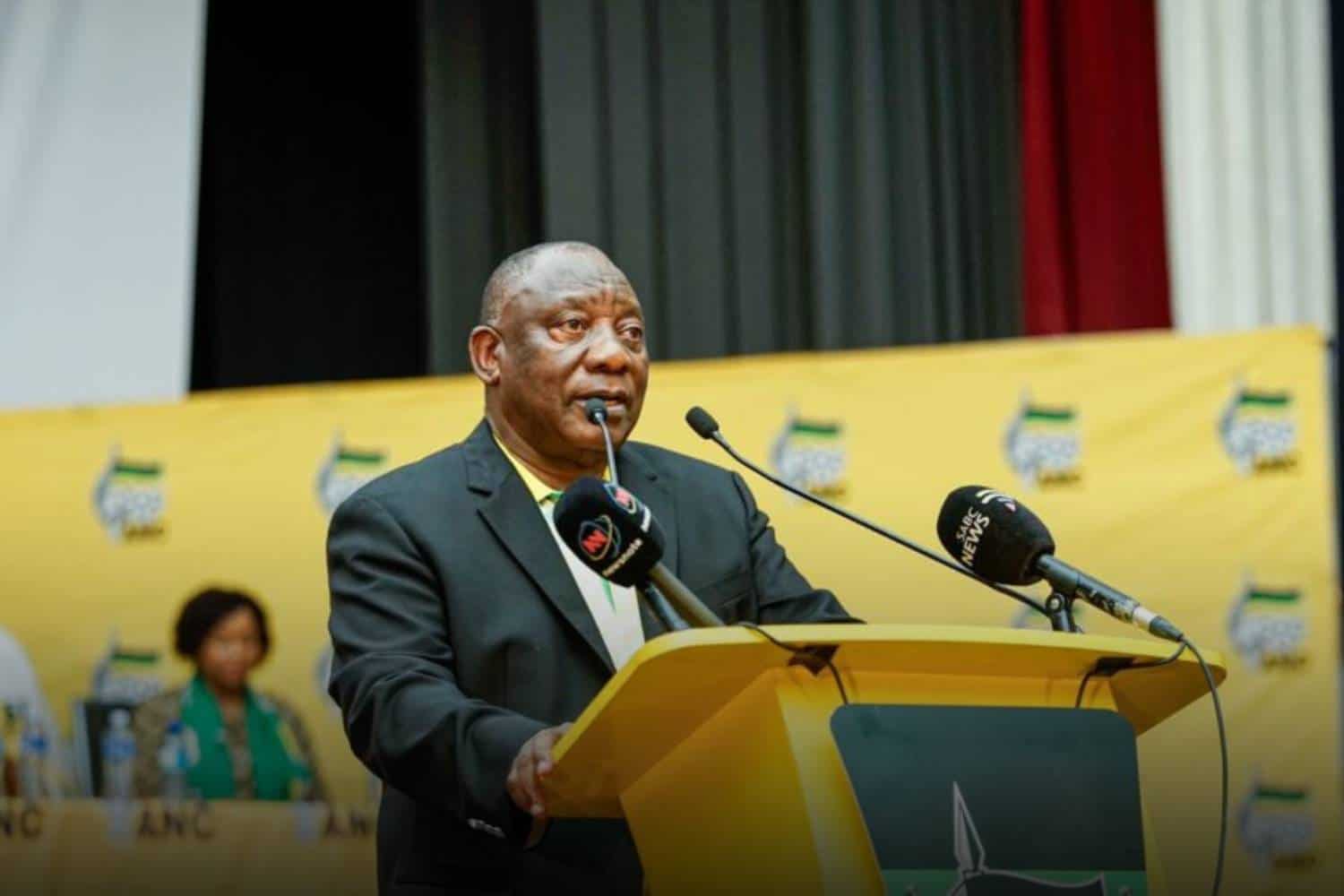


Local government election results show the African National Congress (ANC) leading in 62 councils and controlling 21, with the Electoral Commission of South Africa (IEC) counting 69% of results by Friday, 6 November 2026.
According to Sunday World, citing the IEC results dashboard, the ANC holds 1 483 seats, the Democratic Alliance (DA) 742 and the uMkhonto weSizwe (MK) Party 283. The DA leads in 19 councils and controls six, while MK leads in 10 and controls three. Nationally, the ANC has 31.85% of the vote, the DA 24.68% and MK 8.95%.
Local government election results: Who controls what
The ANC draws most of its council leads from the Northern Cape, where it heads 19 councils, and from the Eastern Cape and Free State, with 14 each. Its highest provincial share is 55.18% in Limpopo. Sixteen of the DA’s 19 council leads and five of its six outright wins are in the Western Cape, where it has 55% support.
MK concentrates all 10 of its council leads and three controlled councils in KwaZulu-Natal, where it holds 236 of its 283 seats. It won outright control of Richmond Local Municipality with 56.27% of the vote and 10 of 17 council seats in its first municipal election, leaving the ANC with five seats and the DA with two.
Metros and coalition talks in the local government election results
The DA leads the available party-list votes in six of the eight metros, while MK leads eThekwini and the ANC heads Buffalo City. With 31% of results still outstanding, council leads, control and seat totals can still change. DA mayoral candidate Hanniff Hoosen has ruled out a coalition with MK in eThekwini, one of the metros where coalition deals could decide control.
ANC deputy secretary-general Nomvula Mokonyane blamed the party’s internal processes for its losses in the metros as the IEC continued to count votes from the polls on Wednesday, 4 November 2026. The ANC lost control of Johannesburg, Tshwane, Ekurhuleni, Nelson Mandela Bay and eThekwini in the 2021 local elections, and won more than 50% in only Buffalo City and Mangaung.
Election violence during the count
Police are investigating 21 politically motivated murders recorded during the election period, the National Joint Operational and Intelligence Structure (NATJOINTS) said on Thursday, 5 November 2026. On voting day, police logged 85 incidents that led to 57 criminal case dockets and 27 arrests, and 32 of those cases involved alleged contraventions of the Electoral Act.
How the IEC declares the results
Votes are counted at each voting station after polls close at 21:00, and the results are captured in the IEC’s results system before the commission determines the outcome for each municipality. Only the commission can declare official results, which means the council leads and seat totals on the dashboard remain provisional until it does so.
The IEC has said it will announce the official results of the 2026 elections on Sunday, 8 November 2026, and the law gives it seven days after the vote, until Wednesday, 11 November 2026, to declare them.
Sources
- Sunday World, Elections 2026: ANC leads 62 councils as DA and MK consolidate provincial footholds (6 November 2026)
- Sunday World, Election 2026 live updates: ANC leads 62 councils, while DA leads in metros
- Novanews, IEC confirms official 2026 local election results to be announced on Sunday
- Briefly News, LGE 2026 results live
- Daily Maverick, Ramaphosa vows decisive action to revive ailing municipalities
- Swisher Post, Local government elections 2026: How to vote on polling day
- Swisher Post, Local elections 2026: Metros to watch for coalition deals
- Swisher Post, Politically motivated murders under probe after election