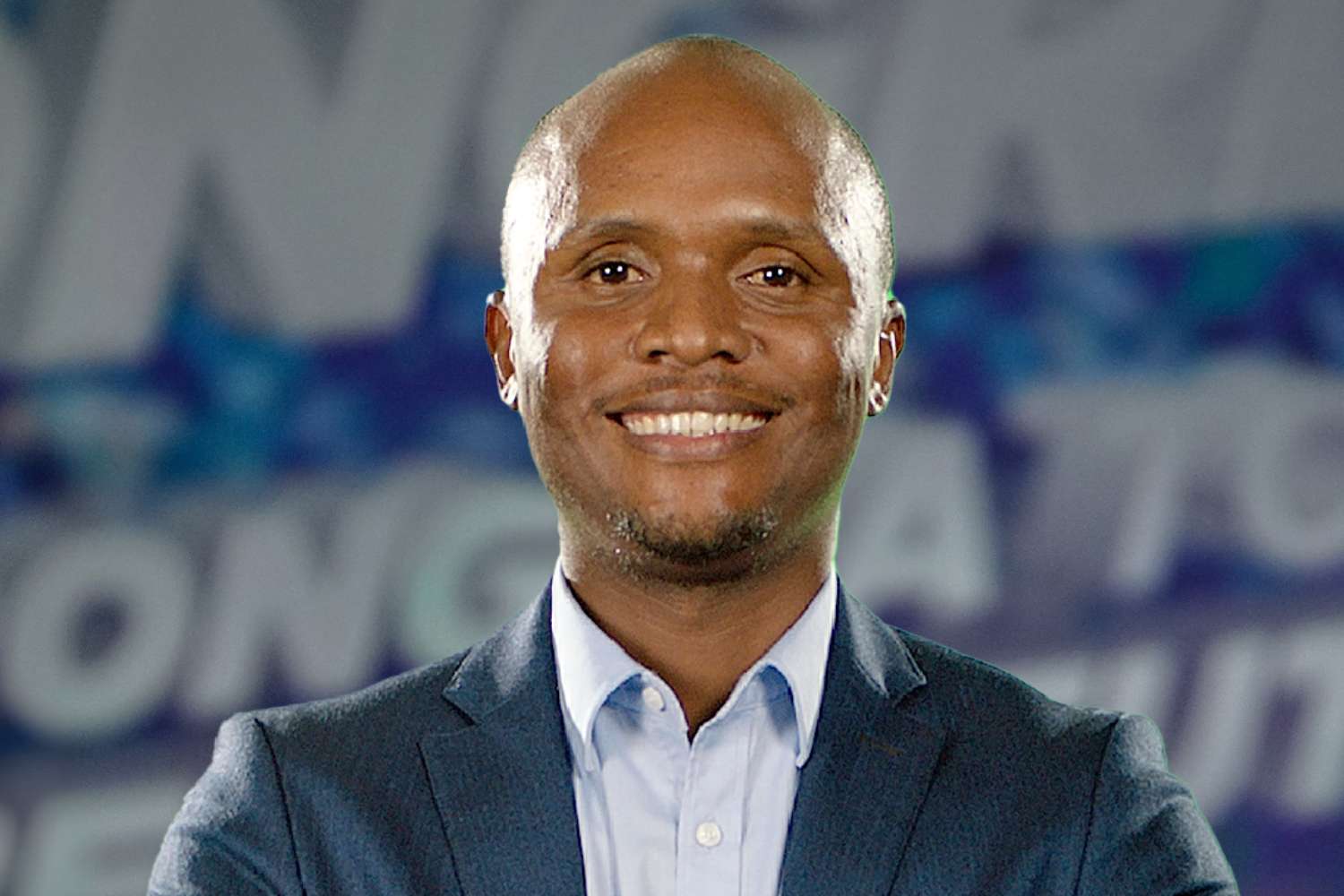

The South African government has withdrawn its draft national artificial intelligence policy after an investigation found multiple fictitious academic citations in the document’s reference list, with Minister of Communications and Digital Technologies Solly Malatsi confirming on Monday that the policy’s “integrity and credibility” had been compromised.
The Draft National Artificial Intelligence Policy was published for public comment on 10 April after Cabinet approved it on 25 March. The document contained a 67-item reference list drawing on academic journals including the South African Journal of Philosophy and AI & Society.
An investigation by News24 found that at least six of those citations either did not exist or could not be located in recognised academic databases.
What went wrong and who is responsible
Malatsi said on Monday that the most plausible explanation for the phantom citations is that “AI-generated citations were included without proper verification,” describing the incident as an “unacceptable lapse” and a demonstration of why human oversight over AI-generated content remains critical.
He did not identify which officials or contractors produced the affected sections of the document.
The policy had been positioned as a cornerstone of South Africa’s response to the Fourth Industrial Revolution. Its proposed frameworks included the establishment of a National AI Commission, an AI Ethics Board, an AI Safety Institute and an AI Insurance Superfund.
Cabinet had approved the document at a special sitting on 1 April before it was released for public comment nine days later.
What happens to the policy now
Malatsi confirmed the current draft is withdrawn and will be revised.
No new timeline for republication has been given. The minister indicated that the revised draft will undergo a more rigorous verification process before it is resubmitted for public comment.
The incident carries a particular irony: a policy intended to govern the use of artificial intelligence in South Africa appears to have been partly produced using unverified AI-generated content.
Media reports have described it as a “hallucinated citations scandal,” referencing the term used in AI development circles for outputs that present fabricated information as fact.
South Africa is not alone in facing this challenge. Governments and academic institutions globally have grappled with AI-generated hallucinations infiltrating official documents.
The withdrawal puts the country’s AI governance timeline in question at a moment when peers across the continent are moving to establish their own regulatory frameworks.